
Caribbean Travel Guides
The Caribbean is waiting to be explored. Guides for islands, coasts and countries, with everything you need for your next trip.- Countries13
- Islands and cays7,000+
- Time zones2
- Guides published4
Exploring the Caribbean
The Caribbean is a region nestled between North and South America, encompassing over 7,000 islands, cays, and reefs. It’s divided into three main island groups: the Greater Antilles (including Cuba, Jamaica, Hispaniola, and Puerto Rico), the Lesser Antilles (comprising the Windward and Leeward Islands), and the Lucayan Archipelago (home to The Bahamas and the Turks and Caicos Islands). Additionally, coastal areas of Central and South American countries like Mexico, Belize, Colombia, and Venezuela are considered part of the Caribbean.
This region boasts a rich tapestry of cultures, languages, and histories. While English, Spanish, French, and Dutch are the primary official languages, numerous Creole languages and dialects are widely spoken. Christianity predominates religiously, but the Caribbean also embraces Hinduism, Islam, Afro-American religions, and indigenous beliefs, reflecting its diverse heritage. Geographically, the Caribbean is renowned for its landscapes, ranging from lush rainforests and towering mountains to pristine beaches and coral reefs. The region’s tropical climate varies, with some areas experiencing rainforests, others tropical savannas, and a few arid zones. The Caribbean Sea, a major body of water in the region, is the second-largest marginal sea in the Atlantic Ocean, rich in biodiversity and marine life.
Economically, the Caribbean has historically depended on agriculture and natural resources. However, tourism has become a cornerstone of many island economies, attracting visitors with its natural beauty, cultural festivals, and warm hospitality. Offshore banking and financial services also play significant roles in certain territories. For adventure, relaxation, or cultural immersion, the Caribbean offers a diverse array of experiences, making it a top destination for travelers worldwide.
Languages of the Caribbean
English, Spanish, French, and Dutch are the main languages spoken across the Caribbean, depending on the island’s history. You’ll also hear various Creole languages and dialects, which add to the region’s colorful cultural mix.
Currency Used in the Caribbean
While the US dollar is widely accepted in many Caribbean destinations, each island often has its own currency. It’s a good idea to check what’s used where you’re going and have some local cash on hand, especially for smaller purchases and markets.
Things to Do in the Caribbean
There’s no shortage of activities, from lounging on pristine beaches and snorkeling in coral reefs to hiking lush trails and exploring historic towns. You can also enjoy local festivals, sample Caribbean cuisine, or try water sports like sailing and paddleboarding.
Best Time to Visit the Caribbean
The best time to visit the Caribbean is generally between December and April. During these months, the weather is warm and sunny with lower humidity, making it perfect for beach days, sightseeing, and outdoor adventures. It’s also the peak travel season, so expect more crowds and higher prices, especially around the holidays.
If you’re looking to save some money and avoid the crowds, consider visiting during the shoulder season, May to June or October to November. The weather can be a bit more unpredictable with occasional rain showers, but you’ll often find better deals on flights and accommodations. Just be mindful that hurricane season runs from June to November, with the highest risk typically between August and October. Checking local weather forecasts before you go can help you plan a safe and enjoyable trip.
No matter when you visit, the Caribbean offers something special year-round, so you can find the perfect time that fits your travel style and budget.
What to Expect When Visiting the Caribbean
Visiting the Caribbean means stepping into a world of good beaches, deep cultures, and warm hospitality. Each island has its own unique charm, but there are some common things you can expect no matter where you go. From places to stay and how to get around, to the languages spoken and what activities to enjoy, here’s a quick overview to help you prepare for your trip, but be sure to take time to read the full travel tip guide for your destination!
How to Get to The Caribbean
Most travelers arrive in the Caribbean by plane, with major international airports serving popular islands like Jamaica, the Bahamas, and Puerto Rico. There are also cruise ships that visit multiple islands, making it easy to see several destinations in one trip.
Where to Stay in The Caribbean
The Caribbean offers a wide range of places to stay, from all-inclusive resorts and luxury hotels to cozy guesthouses and budget-friendly hostels. You can find something for every style and budget, whether you want a beachfront villa or a simple room in a local neighborhood.
How to Get Around in The Caribbean
Getting around the islands can vary depending on where you are. Many places have reliable taxis and buses, while renting a car is a popular way to explore more remote spots. Some islands also have ferries and small planes connecting nearby islands, making island hopping easy and fun.
Where in the Caribbean
Islands with published guides, and the ones still to come. This list builds itself as guides go live.
Recent Travel Guides for the Caribbean

The Ultimate St. Lucia Travel Guide
History of Saint Lucia St. Lucia is an island in the Caribbean with a rich history that began long before European arrival....
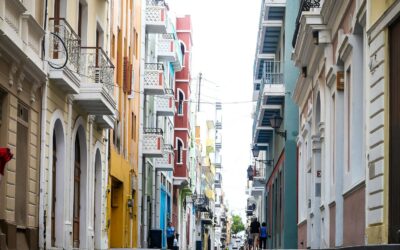
The Ultimate Puerto Rico Travel Guide
Introduction Planning a Caribbean escape often means choosing between dream destinations and realistic budgets. Puerto Rico breaks...
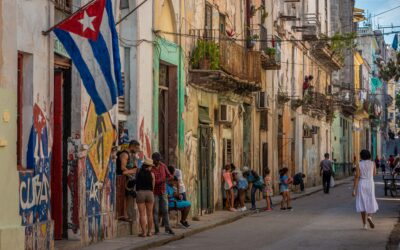
The Ultimate Cuba Travel Guide
Introduction Planning a trip to Cuba takes more than finding cheap flights and budget places to stay. You need to understand the...
Frequently Asked Questions About Traveling in the Caribbean
The things travelers get wrong about the Caribbean, including the ones that cost money.
The Atlantic hurricane season runs from June 1 to November 30, and the risk is concentrated in the middle of it, from roughly mid-August to late October. Plenty of people travel through it and have a fine trip, because a named storm affects a small part of the region at any one time. If you go during those months, book accommodation with a flexible cancellation policy and buy travel insurance that actually covers weather disruption, then check the National Hurricane Center forecast in the week before you fly.
The shoulder months, May to June and October to November. Peak season is December to April, when the weather is at its most reliable and so are the prices. Shoulder season trades a higher chance of rain for meaningfully cheaper flights and rooms, and far fewer people at the same beaches. The last two weeks of April and the first two of December are the sweet spot if you want peak weather at close to shoulder prices.
It depends on where you are from and which island you pick, because the Caribbean is dozens of separate jurisdictions rather than one. US citizens traveling to Puerto Rico or the US Virgin Islands are traveling domestically and do not need a passport, though they do need government-issued photo ID. Almost everywhere else in the region does require one. Check your own government's travel advice for the specific island, and confirm your passport has enough validity left, since several islands ask for six months beyond your return date.
Puerto Rico and the US Virgin Islands use it because they are US territories. The British Virgin Islands, the Turks and Caicos Islands, and the Dutch islands of Bonaire, Sint Eustatius and Saba also use it as their official currency. Elsewhere you will find the Eastern Caribbean dollar, the Jamaican dollar, the Dominican peso, the Cuban peso and others. Many tourist businesses accept US dollars anyway, but the exchange rate they give you is rarely the one you would get from a bank.
One, for a first trip of a week or less. Island hopping looks easy on a map and is slow in practice: most islands are connected to each other by a single daily flight or a ferry that only runs within its own island group, and each hop costs you a travel day plus a new set of arrival formalities. Two islands works over two weeks if they are neighbors with a short ferry between them.
It depends on what you want the trip to be. All-inclusive genuinely does control costs on the expensive islands, where a restaurant meal and a couple of drinks can run higher than you expect, and it removes daily decisions. The trade is that you will see very little of the island and eat almost none of its food. A middle path that works well is an all-inclusive for part of the stay and a few nights in a guesthouse in a town.
On a small island where you are staying near the beach and the town, no, and parking is often the harder problem. On the larger islands, Puerto Rico and the Dominican Republic among them, a car is what turns the trip from one resort strip into the whole place. Note that several islands drive on the left, including Jamaica, Barbados and Saint Lucia, and that some require you to buy a temporary local driving permit at the rental desk.
It varies island by island and sometimes within one island, so it is not a question with a single regional answer. Some islands treat their supply to a standard you can drink straight from the tap, others rely on desalination or rainwater catchment where quality is less consistent. Ask at your accommodation rather than guessing, and check your government's travel health advice for the specific island before you go.
English, Spanish, French and Dutch are the official languages across the region, depending on which colonial power held the island, and most places also speak a Creole alongside the official language. English is widely used in tourism almost everywhere. A few words of the local language still changes how the day goes, particularly in the Spanish-speaking islands where English drops away quickly once you leave the resort areas.
Broadly yes, and the honest answer is that safety varies far more between islands, and between neighborhoods on one island, than any regional summary can capture. The realistic risk for most visitors is opportunistic theft rather than anything worse, and it concentrates in busy tourist areas and on quiet beaches after dark. Read your own government's advice for the specific island, since those pages are updated and a blog post is not.
Usually yes, and often twice if you are not paying attention. Many hotels and restaurants add a service charge of around ten to fifteen percent to the bill automatically, so read it before adding more. Where nothing has been added, ten to fifteen percent is normal in restaurants. Small amounts for housekeeping, drivers and guides are customary and genuinely appreciated on islands where tourism wages are low.
For a first trip the practical answers are Puerto Rico, the Dominican Republic, Jamaica or Barbados, because they have the most direct flights, the widest range of places to stay at every budget, and enough going on beyond the beach to fill a week. Puerto Rico is the easiest of all for US travelers, since there is no passport requirement, no currency change and no roaming charge. The smaller Eastern Caribbean islands are wonderful and better saved for a second trip.