
Cuba Travel Guides
Travel Guides for Exploring Cuba
Exploring Cuba
Cuba captivates with its culture, classic cars, and pristine beaches along the Caribbean’s largest island. Havana’s colonial architecture, salsa rhythms, and cigar heritage blend with natural wonders like the Viñales Valley’s tobacco fields and the pristine waters of Playa Girón. Beyond the capital, explore Trinidad’s UNESCO-listed cobblestone streets or dive in María La Gorda reefs teeming with marine life. The island’s revolutionary history, from Che Guevara’s legacy to revolutionary murals, adds depth to every journey.
Despite recent economic strains from oil shortages and U.S. pressures post-Venezuela’s changes, Cuba remains resilient with improving tourism infrastructure. Travelers find authentic experiences in casa particulares, family-run guesthouses offering home-cooked meals. Music pulses everywhere, from rumba in backyards to orchestral performances in Teatro Alicia Alonso.
Safety persists amid challenges, though power outages occur; pack essentials and embrace the unhurried pace. Cuba rewards patient explorers with genuine interactions and timeless beauty.
What a Week in Cuba Actually Costs
What a day on the island actually costs, per person, at three levels of comfort. Quoted in US dollars, which is what most visitors actually pay with.
Rates updated 15 Oct 2026
Source: European Central Bank, 15 Oct 2026. Converted figures are indicative and may be out of date.Ultra-budget
$35–50 / day
- Basic casa particular$25–30
- Street food and small restaurants$5–8
- Public transport$2–3
- Site entries$3–9
Comfortable
$60–85 / day
- Casa with breakfast$30–40
- Paladares and casual restaurants$15–20
- Taxis plus buses$10–15
- Guided hikes and museums$10–15
Moderate luxury
$100–150+ / day
- Hotel or all-inclusive$40–70
- Better restaurants$20–30
- Private guide or driver$40–50
- Experiences and domestic flights$15–35
Price estimates last updated August 2026.
Best Time to Visit Cuba
December to April offers dry, sunny weather ideal for beachgoing and outdoor adventures, with temperatures around 77°F (25°C). Hurricane season peaks June to November, but shoulder months like May or November provide fewer crowds and lower prices.
Avoid peak winter holidays if budget-conscious, as flights from the U.S. rise; early December or late April balances comfort and value.
What to Expect When Visiting Cuba
Visitors encounter a socialist nation with ration books, limited internet, and enthusiastic locals amid colorful decay and resilient spirit. U.S. travelers face restrictions but can join organized trips; expect cash-only transactions due to banking limits and a U.S. embargo persisting since 1960. Daily life shows ingenuity, from bicycle taxis to rooftop solar, yet shortages of fuel and goods test patience; stay flexible.
How to Get to Cuba
Fly direct from U.S. cities like Miami to Havana’s José Martí Airport (HAV) via airlines supporting “support for Cuban people” categories. From Europe or Canada, nonstop options abound; ferries from Mexico or Bahamas exist but are rare.
Where to Stay in Cuba
Casas particulares offer immersive homestays with home-cooked breakfasts and insider tips, from Havana’s rooftop terraces to Viñales’ farmhouses (around $30-50/night). Luxury seekers pick Habana Vieja’s Iberostar Parque Central or Varadero’s all-inclusives like Royalton Hicacos, blending beachfront amenities with cultural excursions. Trinidad’s boutique posadas, like San Juan de los Remedios, evoke colonial charm.
How to Get Around in Cuba
Iconic colectivos (almendrones) and classic car taxis zip between cities affordably; Viazul buses provide reliable AC schedules for Havana-Trinidad routes. Domestic flights via Cubana connect to Baracoa or Holguín. In rural spots, hitchhiking (botar la mochila) or renting bikes/scooters works; for groups, private taxis via casa hosts ensure comfort amid gas rationing.
Languages of Cuba
Spanish is the primary language, spoken plentifully. English prevails in resorts, Havana’s tourist core, and among younger generations, but a translation apps aids off-path chats. Locals appreciate efforts to communicate.
Currency Used in Cuba
Cuban Pesos handle daily life, while USD is accepted at most local businesses. ATMs are scarce and card use is limited, so carry cash.
Things to Do in Cuba
Hike Viñales’ mogotes and tour tobacco farms, salsa in Havana’s Fabrica de Arte Cubano, snorkel Jardines del Rey reefs, ride horses through Valle de Cocodrilo, or catch a baseball game in Santiago. Don’t miss Trinidad’s Canchánchara cocktail trail, Cayo Guillermo’s flamingo colonies, or a sunset Malecón cruise. These adventures blend history, nature, and nightlife endlessly.
Every Cuba Guide
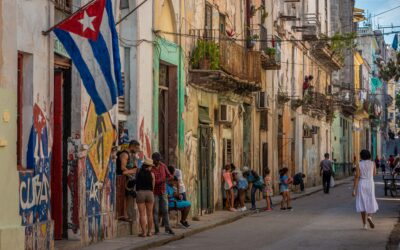
The Ultimate Cuba Travel Guide
Introduction Planning a trip to Cuba takes more than finding cheap flights and budget places to stay. You need to understand the island's...
Frequently Asked Questions About Traveling in Cuba
Yes, but not as ordinary tourists. US law does not ban Americans from Cuba; it restricts the financial transactions involved, which amounts to the same thing in practice. Travel has to fall under one of a set of authorized categories administered by the Treasury Department's Office of Foreign Assets Control. These rules have tightened and loosened repeatedly across administrations, so check the current OFAC and State Department guidance yourself before booking rather than relying on any blog, including this one.
No. Cuba is a sovereign country and has been independent since 1902. It is not a territory, commonwealth or possession, and it has no political relationship with the United States of the kind Puerto Rico does. The confusion usually comes from proximity: Havana sits about 90 miles (145 km) from Key West, closer to Florida than Miami is to Orlando.
Violent crime against visitors is rare and Cuba compares well with much of the region on that measure. The realistic difficulties are practical rather than criminal: shortages of fuel, medicine and sometimes food, power cuts that can last hours, and limited internet. Bring any medication you need rather than expecting to buy it, and carry more cash than feels sensible.
Generally no. Cards issued by US banks do not work in Cuba because of the embargo, which means American visitors need to bring the entire cost of the trip in cash and budget for running out. This is the single most common way travelers get caught out. Non-US cards work at some hotels and larger establishments, but cash remains the practical default across the country.
Most visitors need a tourist card, often called a visa though it is a separate document, usually bought through your airline or a specialist agency before departure. US travelers also need to declare which authorized category their trip falls under. Requirements differ by nationality and by which country you fly from, so confirm with your airline rather than assuming.
Direct flights run from several US cities to Havana, and there are wider connections through Mexico City, Cancún, Panama City, Toronto and Madrid. Flying via a third country does not exempt an American from the US rules, which apply to the traveler rather than the route. Cruise calls have been restricted for years.
Havana's 1950s American cars and crumbling colonial architecture are the images everyone arrives with, and both are real. Beyond them: son and salsa that predate anything exported as Latin music, cigars from the Viñales valley, Hemingway's haunts, and beaches at Varadero and Cayo Coco that rival anywhere in the Caribbean. Trinidad, on the south coast, is the best-preserved colonial town in the country.
Casas particulares, licensed private guesthouses, are the better choice almost everywhere. They are cheaper than the state hotels, the rooms are usually better maintained, breakfast is included more often than not, and the money goes to a family rather than a state enterprise. For US travelers this also aligns naturally with the Support for the Cuban People category. Book the first night or two ahead and arrange the rest as you go.
Less than in most Caribbean destinations. Spanish is the working language everywhere and English is patchy outside hotels, tour operators and Havana's tourist quarter. In casas particulares, on buses and in the smaller towns you will need some Spanish or a translation app that works offline, since data is unreliable.
It is the largest island in the Caribbean by a wide margin, about 780 miles (1,250 km) end to end and comparable in area to Pennsylvania. That surprises people who picture a small island. Havana to Santiago de Cuba is a 13-hour drive, so a week realistically covers Havana plus one or two other places rather than the whole country.