
Saint Lucia Travel Guides
Everything we have written about visiting Saint Lucia, in one place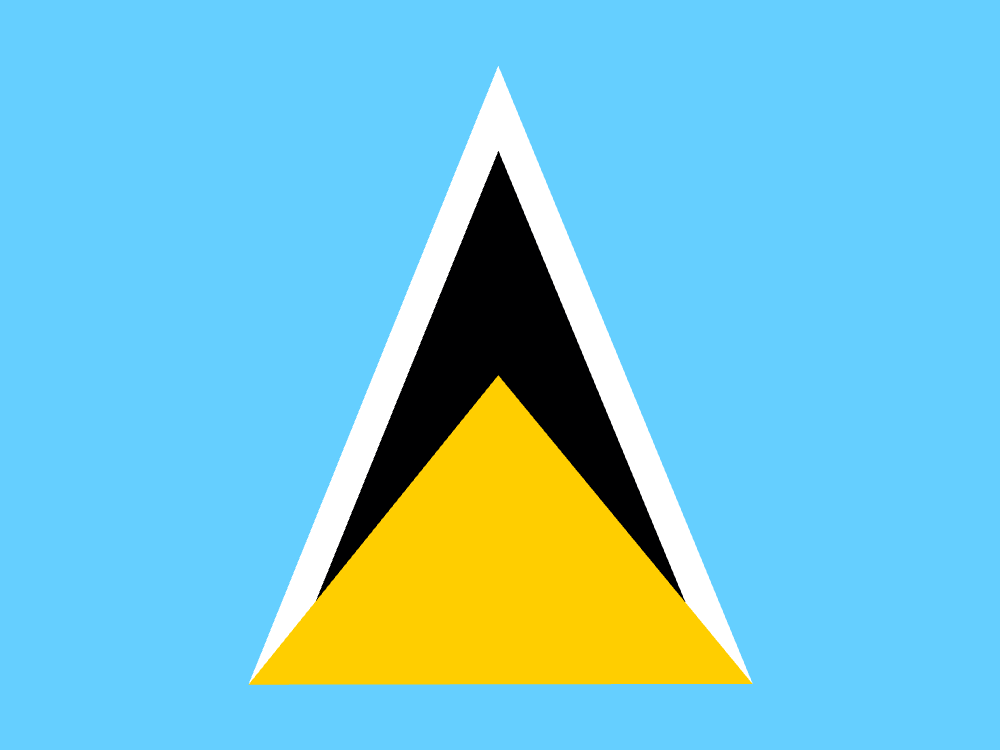
Exploring Saint Lucia
Saint Lucia is a small island country in the eastern Caribbean and part of the Lesser Antilles. It’s located near the islands of Saint Vincent, Barbados, and Martinique, with a population of around 180,000 and Castries as its capital.
The island’s history is rich, first settled by the Arawaks, then the Kalinago, before European powers arrived. The French and British fought many times over Saint Lucia, earning it the nickname “Helen of the West.” Eventually, the British took full control in 1814. Saint Lucia gained independence in 1979 but remains part of the British Commonwealth.
Since gaining independence, Saint Lucia has grown into a peaceful nation known for its natural beauty and rich cultural traditions. The island is famous for the iconic Pitons, two volcanic peaks that are a UNESCO World Heritage site, as well as its lush forests, waterfalls, and beautiful beaches. Tourism plays a big role in the economy, with visitors drawn to the island’s outdoor adventures, world-class resorts, and warm hospitality.
Saint Lucia also celebrates a lively culture influenced by African, French, and British heritage. Music and dance are a big part of island life, especially during events like the annual Saint Lucia Jazz Festival and Carnival. The island’s food is a delicious blend of flavors, with dishes like green fig and saltfish (the national dish), fresh seafood, and Creole spices reflecting its diverse roots. Overall, Saint Lucia offers a unique mix of natural wonders and cultural richness that make it a favorite Caribbean destination.
What a Week in Saint Lucia Actually Costs
What a day on the island actually costs, per person, at three levels of comfort.
Rates updated 15 Oct 2026
Source: European Central Bank, 15 Oct 2026. Converted figures are indicative and may be out of date.Budget Trip
EC$300 / day
- Private Airbnb roomEC$135–190
- Groceries, self-cateredEC$30–60
- MinibusesEC$5–15
- Site entry feesEC$15–40
Mid-Range Trip
EC$500 / day
- Hotel or private apartmentEC$270–400
- Local and restaurant mealsEC$70–160
- Taxis, occasional carEC$40–135
- Attractions and small toursEC$40–110
Luxury Trip
EC$1,200+ / day
- Resort or villaEC$700–1,350
- Fine dining and drinksEC$190–400
- Private driver or carEC$135–270
- Tours and chartersEC$215–405
Figures are per person per day, excluding flights, and assume you are sharing a room at mid-range and above. Price estimates last updated October 2026.
Best Time to Visit Saint Lucia
The best time to visit Saint Lucia is between December and April, when the weather is warm, sunny, and less humid, ideal for beach days, hiking the Pitons, and exploring the island’s natural beauty. This is also the peak tourist season, so expect more visitors and higher prices, especially around the holidays.
If you want to save some money and skip the crowds, consider traveling during the shoulder seasons from May to June or October to November. While you might encounter some rain showers, these months often offer better deals on accommodations and flights. Keep in mind that hurricane season runs from June to November, with the highest risk usually between August and October, so it’s a good idea to check weather updates before planning your trip.
No matter when you choose to visit, Saint Lucia’s landscapes, culture, and welcoming people make it a great destination year-round.
What to Expect When Visiting Saint Lucia
Visiting the Caribbean means stepping into a world of good beaches, deep cultures, and warm hospitality. Each island has its own unique charm, but there are some common things you can expect no matter where you go. From places to stay and how to get around, to the languages spoken and what activities to enjoy, here’s a quick overview to help you prepare for your trip, but be sure to take time to read the full travel tip guide for your destination!
How to Get to Saint Lucia
Most visitors arrive in Saint Lucia by flying into Hewanorra International Airport (UVF) near the southern town of Vieux Fort, or George F. L. Charles Airport (SLU) near the capital, Castries. Several major airlines offer direct flights from North America and Europe, making it easy to reach this Caribbean gem. Cruise ships also regularly dock at Castries, providing another popular way to visit.
Where to Stay in Saint Lucia
Saint Lucia has accommodations to suit all budgets, from luxury resorts with Piton views to charming guesthouses and budget-friendly inns. Popular areas to stay include Rodney Bay for nightlife and beaches, Soufrière for nature lovers, and Castries for city access. Booking in advance is recommended, especially during the tourist season.
How to Get Around in Saint Lucia
Getting around Saint Lucia is fairly straightforward with options like taxis, rental cars, and public minibuses. Taxis are convenient but can be pricey, so agree on fares upfront. Renting a car gives you the freedom to explore at your own pace, especially if you want to visit more remote spots. Minibuses are an affordable choice, but can be crowded and less reliable.
Languages of Saint Lucia
English is the official language of Saint Lucia, used in schools, government, and business. However, many locals also speak Saint Lucian Creole French (Kwéyòl), which reflects the island’s French heritage and is commonly heard in everyday conversation, music, and cultural events.
Currency Used in Saint Lucia
The Eastern Caribbean dollar (XCD) is the official currency in Saint Lucia. US dollars are widely accepted in tourist areas, but it’s helpful to have some local currency for markets, taxis, and smaller purchases. ATMs are available in major towns and resorts. Many vendors and tourist attractions accept debit and credit cards, but some require cash only – be sure to check online to know before you head out for your explorations.
Things to Do in Saint Lucia
Saint Lucia offers a wealth of activities, from hiking the famous Pitons and relaxing in natural hot springs to snorkeling coral reefs and exploring lush forests. Don’t miss visiting the Sulphur Springs, touring historic plantations, or enjoying the island’s festivals and Creole cooking. For adventure or relaxation alike, Saint Lucia has something for everyone.
Every Saint Lucia Guide
The Ultimate St. Lucia Travel Guide
History of Saint Lucia St. Lucia is an island in the Caribbean with a rich history that began long before European arrival. Originally, the...
Frequently Asked Questions About Traveling in Saint Lucia
Yes for visitors, and the island depends on tourism enough to take it seriously. Resort areas, Rodney Bay, Soufrière and the Pitons are all comfortable. Petty theft is the realistic risk rather than anything violent, so use the room safe and do not leave bags on the beach. Castries after dark, away from the main streets, is the one area worth avoiding on foot.
In the eastern Caribbean, in the Lesser Antilles chain, between Martinique to the north and Saint Vincent to the south. It is a sovereign country, not a territory of anywhere, and a member of the Commonwealth. Flights from the US east coast run about four to five hours.
No, and the two get confused constantly. The US and British Virgin Islands sit roughly 400 miles (640 km) northwest, near Puerto Rico. Saint Lucia is an independent country much further south with its own government, currency and passport requirements. If you are a US citizen you need a passport for Saint Lucia, which you would not for the US Virgin Islands.
Yes. Saint Lucia is a sovereign country, so every visitor needs a valid passport regardless of nationality. US, Canadian, UK and EU citizens do not need a visa for short tourist stays. Check your passport expiry before booking, since airlines routinely refuse boarding on passports close to expiring even where the destination would technically admit you.
The East Caribbean dollar (EC$), shared with seven other island nations and pegged to the US dollar at 2.70. US dollars are widely accepted, but you will usually get a worse rate paying in them than paying in EC$, and change often comes back in EC$ anyway. Cards work at resorts and larger restaurants; carry cash for minibuses, roadside stalls and small vendors.
It can be, but it does not have to be. The island's reputation comes from its resorts, and if you stay in one you will pay resort prices for everything. Traveling independently, budget runs about EC$300 a day, mid-range EC$500, and luxury EC$1,200 and up, per person. Minibuses, local restaurants and self-catering cut the figure dramatically compared with the all-inclusive route.
December to April is the dry season and the reliable choice, which is why it costs the most. May, June and November are the value sweet spot: warm, mostly dry, noticeably cheaper and far quieter. Hurricane season runs June to November with the real risk in August through October.
English is the official language, so you will have no difficulty anywhere. Alongside it most Saint Lucians speak Kwéyòl, a French-based creole that reflects the island changing hands between Britain and France fourteen times. You will hear it constantly between locals, and a greeting in it is received warmly.
Most international flights land at Hewanorra (UVF) in the south, near Vieux Fort. American, JetBlue, Delta and United all fly from the US, with British Airways and Virgin Atlantic from the UK and Air Canada from Toronto. The smaller George F. L. Charles airport (SLU) near Castries handles regional hops. Note the transfer time: Hewanorra to the resorts in the north is about ninety minutes by road.
Rodney Bay and Gros Islet in the north for restaurants, nightlife and the easiest access to everything. Soufrière in the southwest for the Pitons, the volcanic springs and the views the island is known for, though it is quieter and the roads are slow. Marigot Bay sits between the two. If you are flying into Hewanorra and staying north, factor the transfer into your first and last day.