
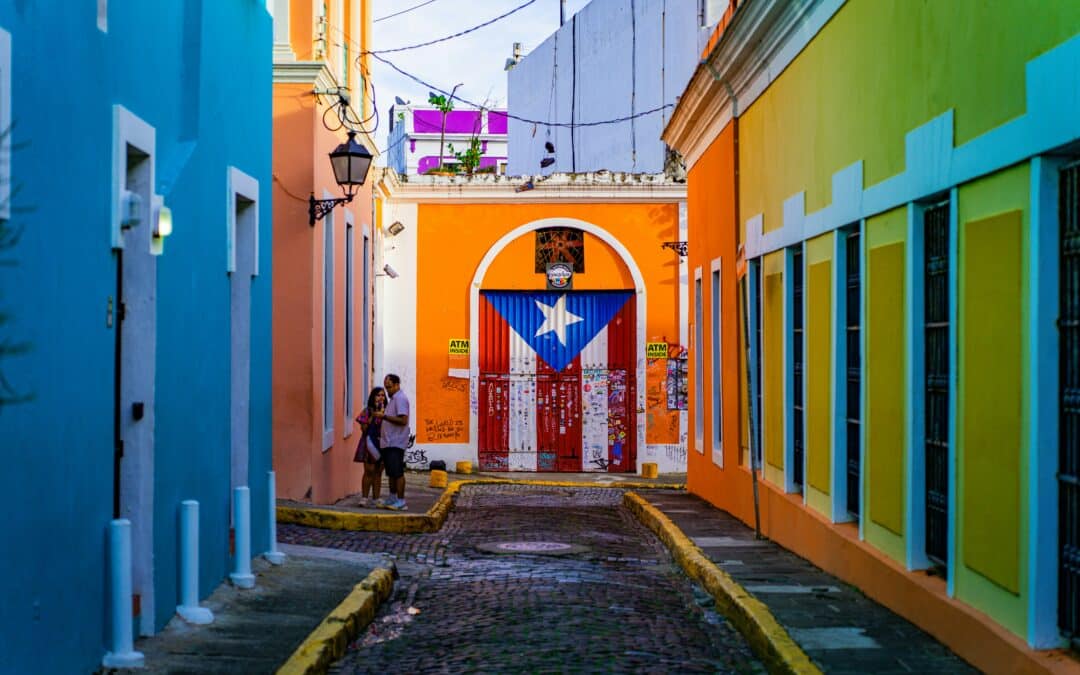
Puerto Rico’s food scene blends Taíno, Spanish, and African influences. Each meal tells a story of tradition, family, and island life. You’ll find authentic Puerto Rican food at bustling kiosks in San Juan and countryside stands serving lechón.
This guide walks you through 10 must-try foods in Puerto Rico. You’ll learn where to find them, their origins, and how to get the most from your food adventure.
The beaches and the history get all the attention. But many first-time visitors miss the real heart of the island, the food. Puerto Rican food gives you a passport to understanding centuries of cultural blending, family values, and the pride Puerto Ricans take in their cocina criolla (creole cooking). These 10 dishes will transform your trip from a vacation into a food experience you won’t forget.
1. Mofongo: The National Dish That Defines Puerto Rico
Mofongo is Puerto Rico’s most famous dish. You get a savory mound of mashed plantains mixed with garlic, olive oil, and pork cracklings (chicharrón). The outside is crispy. The inside is fluffy. And the whole thing is addictive.
This dish represents generations of island cooking passed down through families. Traditionally served in a wooden mortar called a pilón, mofongo stands as the national treasure.
The magic lies in simplicity and technique. Green plantains are peeled, cut, and fried until golden. Then they’re immediately transferred to a mortar and mashed with roasted garlic, olive oil, and salt pork. The timing matters. Mofongo must be served immediately while maintaining its texture.
Where to Find It: Head to El Batey in Old San Juan for their famous seafood mofongo. You’ll also find excellent versions at neighborhood comedores (local eateries) in places like Santurce. For an upscale experience, Marmalade Restaurant in Old San Juan serves creative versions that honor tradition while experimenting with contemporary ingredients. Café Puerto Rico in Santurce consistently delivers authentic versions that taste like home-cooked meals.
How to Eat It Like a Local: Order mofongo topped with camarones (shrimp), pargo (red snapper), or mero (grouper) in a light broth. Ask for extra garlic sauce (mojo) on the side. Locals always do. The dish appears on nearly every Puerto Rican table during celebrations, family dinners, and casual weeknight meals.
Griff’s tipIf you want to learn how to make it yourself, check out this authentic mofongo recipe to understand the technique. Understanding the preparation makes you appreciate the dish more when you taste it at a local restaurant.
2. Lechón Asado: Roasted Suckling Pig for Celebrations and Weekends
Lechón is crispy-skinned, tender roasted suckling pig seasoned with sofrito (a blend of garlic, peppers, and cilantro) and slow-cooked to perfection. When you bite into the skin, you hear a crackle. The meat inside is juicy and flavorful in ways that store-bought pork never reaches.
Lechón is the centerpiece of Puerto Rican celebrations, from Christmas to family reunions. The pig is marinated for hours in a mixture of adobo spices, garlic, and cumin, then slow-roasted over charcoal or in large outdoor ovens until the skin reaches perfect crispiness.
Where to Find It: Head to Guavate (also called “Carretera del Lechón”), a stretch in Cayey filled with family-owned lechoneras serving whole roasted pigs and sides. El Lechonero and La Cueva del Lechón are legendary spots where you watch pigs rotating over open flames. In San Juan, Lechonera Tres Hermanos in Santurce is a local favorite with lines out the door on weekends, Friday through Sunday.
What to Order With It: Lechón comes with mofongo, arroz con gandules (pigeon pea rice), yuca frita (fried cassava), and ensalada (simple salad). Order a plate and share. Lechón is meant for community dining. Most lechoneras offer combination plates starting around $15-18 USD per person, making this an affordable way to experience an authentic feast.
How to Eat It Like a Local: Grab the crispiest skin pieces first. Ask for mojos (sauce) on the side, a garlic-lime blend that complements the meat perfectly. Don’t skip the carnitas (tender meat bits). That is where true flavor lives. Puerto Ricans often eat lechón with their hands, embracing the messy, celebratory nature of the meal.
Griff’s tipLechón is best on weekends. Many places sell out by late afternoon. Arrive early (before 1 PM) for the best selection and freshest meat. Call ahead if visiting Guavate on a holiday weekend. Demand is high and supplies run short.
3. Arroz con Gandules: The Ultimate Comfort Pairing
Pigeon pea rice cooked with sofrito, cilantro, and often bits of ham or salt pork. Arroz con gandules is aromatic, slightly savory, and deeply comforting. This dish represents the soul of Puerto Rican home cooking.
Traditionally served at Christmas and family gatherings alongside lechón, arroz con gandules is a non-negotiable part of any authentic Puerto Rican meal. The combination of tender pigeon peas, fragrant rice cooked in pork stock, and the umami-rich sofrito creates a flavor profile you’ll recognize and remember.
The preparation is straightforward but requires attention to detail. Sofrito forms the base, a simmered mixture of garlic, green peppers, onions, and cilantro that permeates the rice. Dried pigeon peas (gandules) are added during cooking, allowing them to impart their subtle, slightly nutty flavor throughout the dish.
Where to Find It: This is comfort food found everywhere, from casual comedores to fine dining. Try Café Puerto Rico in Santurce or El Jibarote for traditional versions that taste like they came from someone’s grandmother’s kitchen. Most neighborhood restaurants serve excellent versions too, and quality varies less than you’d expect. Good Puerto Rican cooks guard their sofrito recipe carefully.
Regional Variations: On the island, you’ll notice slight variations. Some add pepperoni (Spanish pepperoni), others keep it simple with gandules and ham. Some establishments use recaíto (a pre-made sofrito blend) while traditionalists insist on fresh ingredients. The flavor is always unmistakable, and each variation tells you something about the cook’s family background and preferences.
How to Eat It Like a Local: Arroz con gandules is best served warm, often as part of a trio with lechón and plantains. Locals eat it as a complete meal or side, no judgment either way. A plate of arroz con gandules with chicharrones de cerdo (fried pork chunks) and ensalada rusa (potato salad) is a legitimate Puerto Rican dinner for $10-12 USD at a comedor.
Griff’s tipAsk if they make it fresh daily. Homemade versions taste noticeably better than pre-made batches at tourist spots. The aroma should hit you immediately upon entering the restaurant. If it smells fresh and lively, you’re in the right place.
4. Pasteles: Holiday Tradition in Every Bite
Pasteles are labor-intensive savory parcels made from a blend of plantains, yuca, and green bananas. They’re filled with seasoned pork and wrapped in banana leaves, then boiled until the exterior becomes slightly translucent. They’re time-consuming but worth every bite.
Pasteles represent Puerto Rico’s multicultural roots, combining Taíno, Spanish, and African cooking techniques into one dish. They’re most popular around Christmas, when families gather for Noche Buena preparation, often turning the pastel-making into a multi-day event involving multiple generations.
The pastel-making tradition embodies Puerto Rican family values. What takes a professional chef hours takes home cooks days, grating plantains and yuca by hand, preparing the filling, assembling each individual parcel. This is intentional, meditative work that bonds families and preserves cultural identity.
Where to Find It: During the holiday season (November–January), look for Panadería Joyuda in San Juan or ask at local bakeries and colmados. Many restaurants offer pasteles as seasonal specials. Some advance notice to local bakeries might earn you a pre-ordered batch made fresh that morning. This is worth the effort.
Making Them at Home: If you’re adventurous, this authentic pastel recipe walks through the traditional process. Expect 2–3 hours of prep with family or friends. The recipe guides you through grating techniques, filling preparation, and the exact way to wrap and boil pasteles for optimal texture.
How to Eat It Like a Local: Pasteles are eaten warm, often with a side of mojo sauce. Locals debate whether to serve them as an appetizer or main course. Both are acceptable. The enjoyment comes from unwrapping the banana leaf and revealing the steaming filling inside, making each pastel a mini celebration.
Griff’s tipIf you visit in December, ask your hotel or local friends if they’re making pasteles. Getting invited to a pastel party is an authentic cultural experience tourists rarely encounter. You’ll gain insight into Puerto Rican family dynamics and culinary traditions no restaurant replicates.
5. Tostones and Alcapurrias: Street Food Legends
Tostones are twice-fried green plantain slices, crispy outside and tender inside, often served with mojo. Alcapurrias are fried croquettes made from green plantains, yuca, or a mix, filled with ground meat or seafood. These affordable fried plantain dishes deliver authentic flavors without breaking your budget. They’re found at casual kiosks island-wide and represent real Puerto Rican street food culture, the kind of eating that defines how locals fuel their day.
The technique for tostones is deceptively simple but requires precision. Green plantains are sliced, fried briefly until soft, removed from oil, flattened using a special tostonera (or the bottom of a glass), then fried again until golden and crispy. The result is addictive texture paired with mild plantain flavor, a perfect vehicle for garlicky mojo.
Where to Find Them: Look for food kiosks in neighborhoods like Santurce, Ocean Park, or near beaches. El Jibarote serves excellent versions in a sit-down setting, or find street vendors near Paseo Caribe in Condado for quick, authentic bites. The best tostones come from busy vendors. High turnover means fresh oil and recent frying.
Cost: Expect to pay $2–4 USD per order, some of the best food values on the island. A plate of tostones plus an alcapurria equals a full lunch for under $7 USD, making street food the most economical way to eat well in Puerto Rico.
How to Eat Like a Local: Tostones are best served immediately, hot and crispy. Dip them in mojo or mayo ketchup (a local favorite mix of mayonnaise and ketchup). Alcapurrias are eaten by hand, as messy and delicious as possible. Napkins are essential.
Griff’s tipVendor quality varies. Ask locals which kiosk has the crispiest tostones. Word-of-mouth recommendations lead to the best finds. Avoid vendors with stagnant oil. The smell tells you everything. Fresh oil produces tostones with shatter-crunch texture.
6. Ceviche: Fresh Seafood, Island Style
Raw fish or seafood “cooked” in citrus juice, mixed with cilantro, onion, tomato, and peppers. Puerto Rican versions often include achiote (annatto) and coconut milk for richness, distinguishing them from Peruvian or Mexican preparations. Ceviche represents the lighter, fresher side of authentic Puerto Rican food, perfect for warm afternoons and coastal dining.
The chemistry of ceviche is fascinating. Citric acid denatures fish proteins without heat, creating a texture similar to cooked fish while maintaining raw seafood flavor. Fresh ingredients are non-negotiable. Ceviche is only as good as its components.
Where to Find It: El Picoteo in Old San Juan serves excellent ceviche and seafood tapas in a lively atmosphere. Marmalade offers creative versions. For casual spots, ask locals for beachside vendors who make fresh ceviche daily. The best ceviche comes from restaurants with high seafood turnover and established reputations for quality.
What to Order: Look for versions made with pargo (red snapper), mero (grouper), or shrimp. Coconut milk-based versions are Puerto Rican and worth seeking out. Some restaurants make hybrid versions with avocado and mango, creative additions that maintain traditional flavor while adding complexity.
How to Eat It Like a Local: Ceviche is served cold, as an appetizer or light meal. Eat it immediately after ordering to ensure freshness. Ask for tostones or crackers on the side for scooping. This transforms the dish into a more interactive, satisfying experience.
Griff’s tipIf you’re concerned about food safety with raw seafood, stick to established restaurants with good hygiene reputations rather than street vendors. A busy, well-reviewed restaurant has much higher standards, and the small premium you pay is worth peace of mind.
7. Empanadillas: Fried Pockets of Flavor
Small, hand-held pastries filled with seasoned meat, cheese, seafood, or vegetables, then fried until golden and crispy. Empanadillas are versatile, portable, and delicious. Every vendor and family has their own fill variations, making empanadillas represent the adaptability of Puerto Rican cuisine. They’re perfect for quick meals while exploring the island or as snacks between main courses.
The pastry itself is crucial, thin enough to be crispy but strong enough to contain filling without breaking. Traditional recipes use a simple dough of flour, butter, and salt. Some bakers add a touch of egg or milk for richness.
Where to Find Them: Bakeries (panaderías) throughout San Juan sell fresh empanadillas daily. Try Panadería Joyuda or ask at local cafés. Food kiosks near beaches often have excellent versions. The best bakeries prepare empanadillas fresh throughout the day, rotating batches every 1–2 hours.
Flavor Variations to Try: Meat (carne), cheese (queso), seafood (camarones), or vegetarian options at progressive spots. Some bakeries offer seasonal variations, spinach and cheese in spring, or seafood specials during fishing season. Ask what’s freshest.
Cost: Usually $1–2 USD each, making empanadillas the most economical way to eat well in Puerto Rico while maintaining authenticity.
How to Eat Like a Local: Grab one or two from a bakery for breakfast or as a snack. Locals eat them while walking, with napkins ready. A traditional Puerto Rican breakfast often includes an empanadilla plus café con leche (Puerto Rican coffee with milk) for under $5 USD.
Griff’s tipVisit bakeries early (7–9 AM) for the freshest selection before they sell out. Many bakeries make one batch in the morning. If you arrive after 10 AM, you might find only the day-old variety remaining.
8. Mofongo with Seafood: The Ultimate Protein Pairing
The traditional mofongo base topped with your choice of shrimp, red snapper, grouper, octopus, or mixed seafood in a light broth or sauce. This combination marries the island’s signature plantain dish with access to fresh, daily-caught seafood. This represents the best of Puerto Rican food, combining the island’s famous starch with premium protein in a single, satisfying plate.
The seafood broth is crucial, a light, aromatic liquid made from fish stock, white wine, and aromatics that complements mofongo’s earthiness without overwhelming it. Well-prepared versions achieve perfect balance between crispy plantain, tender seafood, and savory broth.
Where to Find It: El Batey in Old San Juan is famous for this dish. Chez Frankie in Santurce serves exceptional versions. Most upscale restaurants offer creative seafood mofongo preparations. Fine dining establishments often add modern touches such as micro-greens, truffle oil, or creative plating, while maintaining traditional flavor profiles.
Regional Seafood: Ask what’s fresh. Pargo, mero, and chillo (snapper varieties) are common and delicious. Seasonal availability changes throughout the year. Late spring through early fall offers the best seafood selection.
How to Eat It Like a Local: Use a spoon to break into the mofongo and mix it with the seafood and broth. This is meant to be a complete, hearty meal consumed deliberately rather than rushed. Pair with a cold local beer or fresh juice for the full experience.
Budget hackLunch prices are often lower than dinner at the same restaurant. Visit midday for better value without sacrificing quality. A $16 USD mofongo at dinner might cost $12 USD at lunch.
9. Pernil: Roasted Pork Shoulder for Special Occasions
A slow-roasted pork shoulder rubbed with adobo spices and cooked until the skin crackles. Pernil is similar to lechón but larger and more suitable for smaller gatherings. Pernil is the go-to dish for holidays, family celebrations, and special dinners. The preparation requires patience and skill. The goal is simultaneous crispy skin and tender, juicy meat.
Preparation spans 6–8 hours, with the pork rubbed the night before and slow-roasted at low temperature until the internal temperature reaches perfect doneness. Some cooks inject the meat with adobo marinade for extra flavor penetration.
Where to Find It: Most lechoneras serve pernil alongside lechón. Restaurants like Lechonera Tres Hermanos or specialty spots in Guavate offer excellent versions. Family-run establishments often provide superior results compared to commercial operations due to time investment and quality ingredients.
What to Expect: Rich, tender meat with a crispy, flavorful skin. Often served with white rice, salad, and tostones. A pernil plate feeds 2–3 people and costs $20–30 USD, making it economical for groups.
How to Eat It Like a Local: Request the crispiest skin pieces. Pernil is meant for sharing at family tables, so embrace the communal dining experience. Mix meat with rice, use tostones as vessels, and enjoy the ritual of family-style eating.
Griff’s tipPernil is often available by reservation at family-run spots. Call ahead to ensure availability. Some establishments offer pernil only on certain days or by advance order. Planning ahead prevents disappointment.
10. Tembleque and Piononos: Sweet Ending to Authentic Puerto Rican Meals
Tembleque is a delicate coconut milk pudding set with cornstarch, topped with cinnamon. Piononos are sweet plantain rings filled with meat (picadillo) or seafood, then baked until golden. These dishes showcase the complete authentic Puerto Rican food experience from savory to sweet.
Tembleque’s name comes from its texture. It “trembles” on the plate, wobbling with each movement. Traditional preparations use fresh coconut milk, creating a flavor canned versions don’t replicate. Piononos represent the savory-sweet balance that defines Puerto Rican cooking, often served at holiday meals as a bridge between main courses and dessert.
Where to Find Tembleque: Most bakeries and restaurants serve it. Panadería Joyuda makes excellent versions. You’ll often find it at casual comedores too. Quality varies based on ingredient freshness and preparation technique. Homemade versions surpass commercial bakery offerings.
Where to Find Piononos: Bakeries and restaurants serve them. They’re popular at holiday celebrations and family gatherings. Some upscale restaurants feature creative piononos variations, seafood-filled versions instead of traditional meat fillings.
How to Eat It Like a Local: Tembleque is served cold as a light dessert, often with a sprinkle of additional cinnamon and a sugar cookie. Piononos are eaten warm, often as a side dish at holiday meals or special dinners. Portion sizes are modest. These are meant as finishing touches rather than heavy desserts.
Griff’s tipBoth desserts are labor-intensive. Expect to pay $4–6 USD for quality versions. They’re worth every penny if homemade. Ask bakeries or restaurants if they make these fresh daily. Consistency in quality matters with delicate desserts.
Regional Specialties: Beyond the Tourist Trail
Puerto Rico’s food culture extends far beyond these 10 dishes. Each town has signature specialties tied to local ingredients and history, dishes locals eat but tourists rarely encounter. Seeking these out transforms your culinary experience from following a guidebook into discovering living food traditions.
- Caldo Santo (Good Friday Soup): A savory broth made with salted cod, chickpeas, and root vegetables, traditionally eaten on Good Friday. Ask locals in March–April for authentic versions made by families for the holiday. This dish carries spiritual significance beyond nutrition, connecting people to centuries of Catholic traditions adapted to island ingredients.
- Bacalaitos: Fried codfish fritters popular as street food, especially in coastal towns. Similar to alcapurrias but lighter and often served with mojo. These appear at beaches and in kiosks. Look for them in neighborhoods like Condado or Ocean Park where vendors specialize in seafood preparations.
- Gandinga: A traditional stew made from organ meats (liver, heart, kidney) with peppers and spices. This is an acquired taste but deeply authentic Puerto Rican cooking. This dish survives because it honors the entire animal. Nothing goes to waste. Finding gandinga signals you’ve found a place where tradition matters more than tourist preferences.
- Sorullitos: Cornmeal fritters often filled with cheese, served with mojo. Perfect for breakfast or snacks, these appear at bakeries and food stands throughout the island. They’re inexpensive ($1–2 USD) and deeply satisfying.
How to Find Regional Specialties: Ask locals at your hotel, market vendors, or small restaurants what dishes are special to their town. Regional pride runs deep. Most Puerto Ricans love sharing their hometown food traditions with curious visitors. This direct approach often yields better recommendations than guidebooks.
Where to Eat: Top-Rated Local Restaurants and Authentic Spots
San Juan Area:
- El Jibarote – Traditional Puerto Rican comfort food in a casual setting. Their mofongo and arroz con gandules rank among the best in the city. Expect lines during lunch hours. Arrive early or accept a 15–20 minute wait. Prices are reasonable: $12–18 USD per entrée.
- Café Puerto Rico – Local favorite in Santurce. Authentic cocina criolla in a casual atmosphere feels like eating at a Puerto Rican grandmother’s house. The menu changes daily based on fresh ingredients. Ask staff for recommendations. Cash-only with prices $10–16 USD per meal.
- El Batey – Old San Juan institution. Seafood and creative mofongo preparations. Known for fresh daily catches and knowledgeable staff who explain each dish’s origins. Prices range from $16–28 USD for entrées. Quality justifies the cost.
- Chez Frankie – Upscale Santurce spot. Modern takes on traditional dishes. The restaurant balances innovation with respect for tradition, producing dishes that honor Puerto Rican roots while incorporating contemporary techniques. Prices $18–32 USD. Reservations recommended.
Outside San Juan:
- Lechonera Tres Hermanos – Guavate’s best for authentic lechón. Arrive before noon for optimal selection. Family-run establishment with 30+ years of reputation. Plates $14–20 USD. Worth the drive for serious lechón seekers.
- La Cueva del Lechón – Guavate classic. Family-run with genuine experience. Less touristy than some Guavate spots, offering authentic atmosphere and quality meat. Plates $13–18 USD. Expect to sit at communal tables.
- Panadería Joyuda – Multiple locations. Fresh pastries, empanadillas, and pasteles daily. Early morning visits (before 9 AM) yield the best selection. Prices incredibly reasonable: $1–4 USD per item.
Dining Etiquette and Cultural Context
Food is family, celebration, and identity in Puerto Rico. When you eat Puerto Rican food, you’re participating in centuries of cultural tradition.
Key Customs:
- Meals are social events: Puerto Ricans take time to enjoy food with family and friends. Rushing is considered disrespectful. Plan for meals to last 45 minutes to an hour minimum.
- Sharing is expected: Most dishes are meant for sharing. If invited to a family meal, accept graciously. If dining alone at a restaurant, watch how servers divide dishes. They will guide you toward authentic portions.
- Thank you genuinely: Compliment the food and the cook. Puerto Ricans take pride in their culinary traditions. A simple “Muy delicioso, gracias” (Very delicious, thank you) creates connections and often leads to recommendations for other local spots.
- Respect the rituals: Holiday dishes like pasteles and pernil are cultural anchors tied to family memory. Approaching them with reverence honors the traditions you’re experiencing.
Frequently Asked Questions About Puerto Rican Food
Mofongo is Puerto Rico’s national dish. This plantain-based dish, mashed with garlic and olive oil and often topped with seafood or meat, represents the heart of cocina criolla. You’ll find it on nearly every authentic Puerto Rican menu.
Avoid tourist-heavy resort areas and head to neighborhoods like Santurce, Old San Juan, or Guavate. Eat at local comedores (neighborhood eateries), family-run restaurants, and food kiosks where Puerto Ricans dine. Ask hotel staff or locals for their favorite spots. Word-of-mouth leads to the best finds. Budget-friendly comedores often serve better food than expensive tourist restaurants.
Year-round, Puerto Rico offers excellent food experiences. December–January is special for holiday dishes like pasteles and pernil. Summer offers fresh seafood and coastal ceviche. Visit during local festivals if possible. Most towns have food-focused celebrations tied to their regional specialties. Food availability shifts seasonally. Asking locals what’s fresh right now ensures optimal dining.
Yes, street food from busy, well-frequented vendors is safe and often has better flavors than restaurant versions. Look for high customer turnover. This indicates fresh food and sanitation standards. Use common sense: avoid vendors with questionable hygiene practices. Busy kiosks with long lines are reliable indicators of quality and safety.
Many restaurants and local instructors offer cooking classes. Check Airbnb Experiences, Viator, or ask your hotel about options. Classes cost $60–120 USD and include market visits, ingredient explanations, and hands-on cooking with a local chef. Some family-run establishments offer informal lessons if you ask politely and book in advance.
Coquito (creamy rum punch) pairs with holiday meals. Local beers like Medalla are perfect with casual meals. Fresh juices (jugos naturales) like china (orange), mango, and papaya are refreshing alternatives. Rum cocktails at beachside spots offer tropical charm. Ask locals for traditional pairings at each restaurant. Recommendations reflect deep cultural knowledge.
Traditional Puerto Rican food is meat-heavy, but vegetarian and vegan adaptations exist. Request mofongo without cracklings, tostones, or arroz con gandules without meat. Modern restaurants in San Juan offer plant-based Puerto Rican options. Always mention dietary restrictions when ordering. Understanding your preferences helps servers and cooks make better recommendations.
Budget $20–30 USD for a casual comedor meal, $40–60 USD for mid-range restaurants, and $80+ USD for upscale dining. Street food and kiosks cost $2–5 USD per item. A realistic daily food budget is $40–80 USD for a mix of experiences, depending on preferences. Eating exclusively at local spots and kiosks reduces daily costs to $25–35 USD.
Lechón is a whole roasted suckling pig, typically 20–40 pounds, crispy-skinned and served at large celebrations. Pernil is a roasted pork shoulder from a larger animal, typically 15–20 pounds, suitable for smaller gatherings. Both are slow-cooked with spices, but lechón is the festival dish while pernil is more common at family dinners and holidays.
While English is spoken in tourist areas, learning basic phrases helps at local spots: “¿Qué me recomienda?” (What do you recommend?), “Sin picante, por favor” (Not spicy, please), and “Muy delicioso, gracias” (Very delicious, thank you). Locals appreciate the effort and often provide better recommendations. Spanish phrases create connections that enhance your entire experience beyond ordering food.
Where to Start Eating
Puerto Rico’s food scene blends Taíno, Spanish, and African influences. Each meal becomes a cultural experience. From the moment you arrive on the island, foods to try in Puerto Rico become your gateway to understanding centuries of history, family traditions, and island pride.
The 10 authentic Puerto Rican foods explored in this guide, from the national dish of mofongo to hidden gems like caldo santo, are stories written in flavor, conversations passed down through generations, and invitations to experience real Puerto Rico beyond resort walls. Grab crispy tostones from a beachside kiosk, sit at a family table for lechón, learn to make pasteles with locals. Every bite connects you deeper to the island’s soul.
As you plan your culinary adventure, remember: the best authentic Puerto Rican recipes are found not in fancy restaurants, but in neighborhood comedores, family gatherings, and vendor stands where Puerto Ricans themselves eat. Ask locals, arrive hungry, embrace the communal nature of food on this island, and allow yourself to slow down. Food in Puerto Rico is how the island shares itself, through flavors, stories, and the generosity of people proud of their heritage.
Your taste buds are ready. The island is waiting. Start your food journey today. Every dish tells a story only Puerto Rico shares.