
Denmark Travel Guides
Travel Guides for Exploring Denmark
Exploring Denmark
Denmark consists of the Jutland peninsula and hundreds of islands, the largest being Zealand, where the capital Copenhagen sits, plus Funen and many smaller isles. The landscape is mostly low, green, and coastal, with sandy beaches, gentle farmland, and bike-friendly cities rather than dramatic mountains. Travelers often split time between lively Copenhagen, storybook towns like Odense or Aarhus, and quieter rural or seaside areas to experience the variety within a compact area.
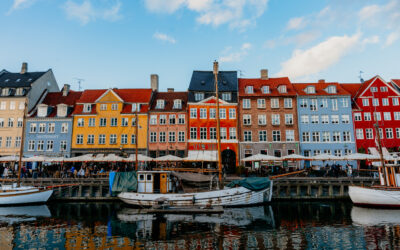
Copenhagen is the cultural and urban heart of the country, famous for colorful Nyhavn harbor, royal palaces, cutting-edge Nordic cuisine, and a strong cycling culture. The city blends historic streets and castles with modern design, waterfront swimming areas, and relaxed cafés that embody the Danish concept of hygge, a cozy enjoyment of simple pleasures. Beyond the capital, places like Aarhus and Aalborg offer university-town energy, museums, and access to nearby fjords and beaches.
Denmark is frequently ranked among the world’s most prosperous and socially equal countries, with robust welfare systems, strong workers’ rights, and relatively low income inequality after taxes and transfers. This social model contributes to clean, well-maintained cities, efficient public services, and a generally safe environment that many visitors find welcoming and easy to navigate. The country is also a leader in climate and environmental policy, consistently scoring near the top in climate performance and environmental indices.
The Kingdom of Denmark also includes Greenland and the Faroe Islands, which enjoy extensive self-rule but remain linked to Denmark in foreign and defense policy. These territories are geographically remote and very different in landscape and culture, but they help explain Denmark’s historic maritime focus and its role in North Atlantic and Arctic affairs. Most typical Denmark trips focus on “Denmark proper,” while more adventurous itineraries add a separate journey to Greenland or the Faroes.
What a Week in Denmark Actually Costs
What a day in Denmark actually costs, per person, at three levels of comfort.
Rates updated 18 Sep 2026
Source: European Central Bank, 18 Sep 2026. Converted figures are indicative and may be out of date.Budget Trip
DKK 600–850 / day
- HostelsDKK 200–300
- Supermarket mealsDKK 150–210
- Trains and busesDKK 90–120
- AttractionsDKK 90–130
- MiscellaneousDKK 70–90
Mid-Range Trip
DKK 1,500–1,800 / day
- Quality budget hotelsDKK 520–670
- Mixed diningDKK 370–520
- TransportationDKK 150–190
- AttractionsDKK 220–300
- MiscellaneousDKK 220–300
Luxury Trip
DKK 2,250–3,000+ / day
- Quality hotelsDKK 900–1,350
- Fine diningDKK 750–1,120
- Premium transportationDKK 220–370
- AttractionsDKK 370–600
- MiscellaneousDKK 750+
Figures are per person per day, excluding flights, and assume you are sharing a double room at average and above. Price estimates last updated September 2026.
Best Time to Visit Denmark
Denmark has a temperate climate with relatively mild summers and cool, often damp winters, shaped heavily by its maritime location. Many visitors prefer late spring through early autumn (roughly May to September) for longer daylight, greener landscapes, and more predictable weather for outdoor sightseeing and cycling.
Summer brings festivals, outdoor dining, and busy coastal areas, but also higher prices and more crowds in Copenhagen and popular island getaways. Shoulder seasons in late spring and early fall can offer a good balance of manageable weather, fewer visitors, and lower accommodation rates, especially for city-focused trips.
What to Expect When Visiting Denmark
Visitors can expect an orderly, safe, and highly organized country with excellent infrastructure and a strong emphasis on sustainability and cycling. English is widely spoken, especially in cities and among younger Danes, and social norms tend toward politeness, punctuality, and understated friendliness rather than overt formality. Prices, particularly for dining out and accommodation, can feel high compared to many other destinations, but quality of services and public amenities is correspondingly strong.
How to Get to Denmark
Most international travelers arrive via Copenhagen Airport, which serves as the main gateway and is well connected to European and intercontinental destinations. The airport has direct train links into central Copenhagen and across the Øresund Bridge to Malmö in Sweden, making onward travel straightforward. Denmark is also reachable by train and road from neighboring Germany and Sweden, reflecting its integration into the broader European transport network.
Where to Stay in Denmark
Accommodation ranges from design-forward city hotels and boutique guesthouses to countryside inns and coastal holiday homes. Copenhagen offers the widest range of options, from budget hostels near the center to upscale hotels in and around the historic core and waterfront districts. Outside the capital, travelers find smaller hotels and B&Bs in towns like Aarhus and Odense, as well as summer houses and campsites that are popular with both Danes and visitors.
How to Get Around in Denmark
Denmark has an efficient rail and bus system that links major cities and many smaller communities, making car-free travel very feasible. Within cities, cycling is one of the easiest ways to get around, supported by dedicated bike lanes and widespread bike rentals. For rural areas and islands, rental cars and local ferries or bridges help connect coastal villages and more remote spots.
Languages of Denmark
The official language is Danish, a North Germanic language closely related to Swedish and Norwegian. Many Danes speak English at a high level, especially in urban areas and tourist-facing roles, and German is also relatively common as a foreign language. Visitors who learn a few basic Danish phrases are usually appreciated, even if most daily interactions can take place in English.
Currency Used in Denmark
Denmark uses the Danish krone (DKK) rather than the euro, despite being part of the European Union’s internal market. Cards are widely accepted, including contactless payments, and cash is needed less frequently than in many other countries. ATMs are readily available, and prices reflect a high-income economy, so travelers should budget accordingly for food, transport, and accommodation.
Things to Do in Denmark
Popular activities include exploring Copenhagen’s historic center and waterfront, visiting castles such as Kronborg (of “Hamlet” fame), and touring Viking and modern history museums. Many travelers enjoy cycling through city neighborhoods, relaxing in parks or on beaches, and sampling modern Nordic cuisine and local pastries. Day trips to smaller towns and islands provide chances to experience quieter harbors, coastal walks, and traditional village life within easy reach of the main cities.
Every Denmark Guide
The Ultimate Denmark Travel Guide
History of Denmark: From Vikings to Modern Scandinavia Denmark's story shows how one country transformed itself over centuries. Before...
Frequently Asked Questions About Traveling in Denmark
Hygge, cycling and design are the usual answers, but the things that actually shape a trip are more specific. Copenhagen holds one of the highest concentrations of Michelin stars in the world. The country is flat enough that bikes genuinely beat cars in every city. And the Viking sites are real archaeology rather than reconstructions, with the Jelling runestones standing free in a public field.
The Danish krone (DKK), not the euro. Denmark voted against adopting the euro in 2000 and kept the krone, though it is pegged to the euro at 7.46 within a narrow band, so conversion is stable rather than floating. Cards work almost everywhere, including small bakeries and market stalls, and most visitors never withdraw cash at all.
Yes, consistently among the safest countries in Europe, and violent crime affecting visitors is rare. The realistic risks are pickpocketing around Copenhagen Central Station and Nyhavn in high season, and the bike lanes. Danish cycle lanes are used by fast-moving commuters who expect you to know the rules, signal your turns and stay right if you are slow.
Almost universally, and to a high standard. English is taught from early primary school and Danish television is subtitled rather than dubbed, so exposure starts young. You will not need Danish anywhere in the country, though learning tak for thank you is worth the ten seconds.
No, and this is where American visitors most often overspend. Service is included in the listed price and hospitality staff are paid a full wage, so there is no expectation and nobody will chase you. Rounding up or leaving 5 to 10 percent for genuinely good service is welcome but unusual. The same applies to taxis and bars.
Denmark is in the Schengen Area, so US, Canadian, UK and Australian passport holders can visit for up to 90 days in any 180-day period without a visa. A separate pre-travel authorisation for visa-exempt visitors has been in the works for years and the start date has moved repeatedly, so check the official EU and Danish government pages before you book rather than trusting any blog on the timing, including this one.
Yes, though noticeably less than Norway or Iceland. Budget travel runs DKK 600 to 850 a day and an average trip DKK 1,500 to 1,800. Accommodation and restaurant meals are what hurt; supermarkets, bakeries and public transport are all reasonable. Basing yourself in Aarhus or Odense instead of Copenhagen cuts the daily figure by roughly a third, and the trains are good enough that you lose very little.
Four days covers Copenhagen properly with one day trip out to Roskilde or Kronborg Castle. A week lets you add Aarhus or Odense without rushing either. Ten days reaches Bornholm or Skagen, which are the parts of Denmark most visitors never see and the ones regular visitors go back for.