
Table of Contents
- Visit off-peak in spring or autumn for mild weather, fewer crowds, and 20-40% lower prices than summer.
- Use trains, buses, and bikes—public transport plus cycling saves 60-70% versus car rental and offers authentic experiences.
- Embrace hygge and local routines: picnic, café time, and community events cost little and create memorable moments.
- Explore beyond Copenhagen—Aarhus, Odense, and islands offer cheaper accommodation and authentic culture for budget travelers.
History of Denmark: From Vikings to Modern Scandinavia
Denmark’s story shows how one country transformed itself over centuries. Before Copenhagen became known for design, Danish Vikings sailed the seas from the 8th to 11th centuries. They established trade routes, settled new lands, and changed European history. These Norse explorers were traders and settlers as much as raiders. They connected Scandinavia to the Mediterranean and made Denmark a seafaring power that shaped medieval politics and commerce.
The medieval period strengthened Denmark’s influence. By the 1300s, Danish kings controlled territories across Scandinavia through the Kalmar Union (1397-1523). This alliance united Denmark, Norway, and Sweden under single rule. You can see its legacy today in language, architecture, and values across the region. When you walk through Danish towns, you’ll find medieval fortifications, Renaissance palaces, and churches from this era.
The 19th century brought major change. Denmark lost Norway in 1814 and had to reimagine itself. Instead of pursuing military expansion, Danish society invested in education, democratic values, and social welfare. The 1849 Constitution established democratic governance while neighboring countries still had absolute monarchies.
Modern Denmark resulted from choosing stability, education, and collective welfare over military power. This history explains why Danes today prioritize quality of life, work-life balance, and community responsibility. When you visit runestone parks in North Zealand or explore medieval Roskilde, you’re seeing real historical sites, not tourist attractions.
Danish Culture & What Makes Denmark Special
Understanding Hygge: More Than Cozy
Every traveler hears about hygge (pronounced “hyoo-guh”). Tourism boards call it “coziness,” but this misses the point. Hygge means creating warm, intimate moments with others. It means savoring simple pleasures and valuing presence over productivity. Think candlelit autumn evenings, unhurried coffee with friends, genuine conversation over meals, and deliberately slowing down.
For budget travelers, hygge costs nothing. The wealthiest Dane and the most budget-conscious backpacker experience hygge the same way. Sit in a park with fresh pastries. Cycle slowly through villages. Join locals at community gatherings. Watch sunset from a beach. Many travelers find their best Danish memories involve hygge moments: a picnic by Møn’s Klint cliffs, cycling through quiet countryside, or sitting in a Copenhagen café for hours with a single coffee while watching neighborhood life.
Modern Danish Values
Contemporary Danish culture emphasizes equality, sustainability, community responsibility, and unpretentious living. You’ll notice this right away. Wealthy Danes cycle alongside service workers on identical bikes. Visible homelessness is minimal. Locals value genuine connection over superficial politeness. This cultural trait benefits travelers because Denmark isn’t designed to separate tourists from authentic experiences.
You won’t find neighborhoods designed for visitors or artificial “cultural zones” separated from real life. You’ll blend into everyday Denmark. Eat where locals eat. Use public transportation like residents do. Shop at the same markets. Engage with culture on equal terms. This accessibility helps budget travelers seeking authentic experiences rather than tourist performances.
Best Ways to Get to Denmark on a Budget
Getting to Denmark by Plane
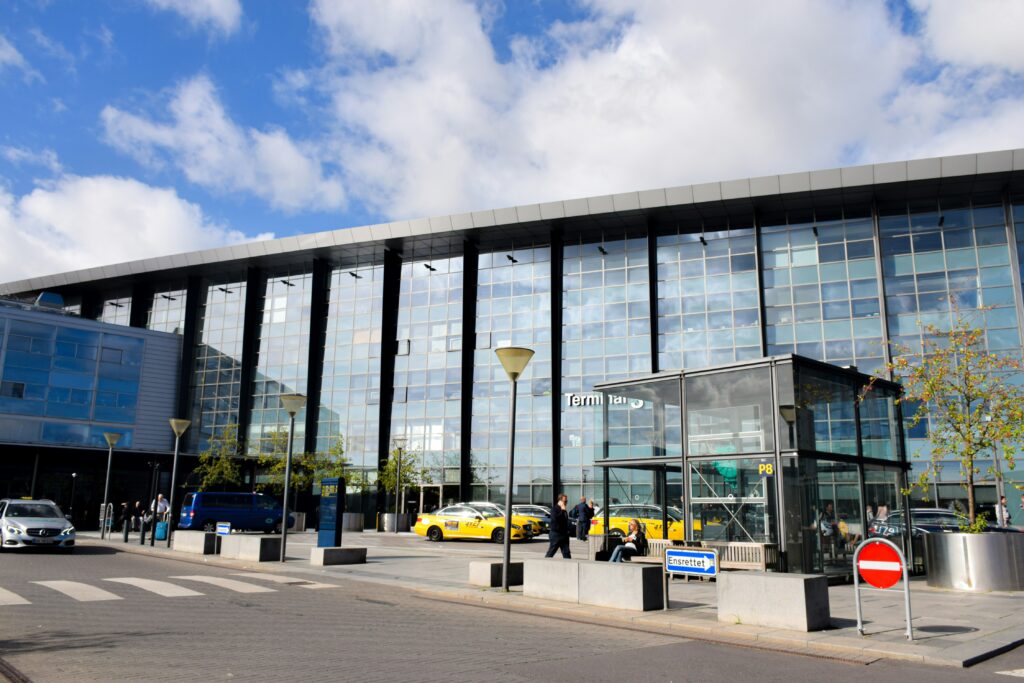
Most international travelers arrive via Copenhagen Airport (CPH), Scandinavia’s largest hub. Strategic flyers can reduce airfare costs through disciplined search techniques and budget airline knowledge.
How to Find Cheap Flights to Copenhagen
- Search in advance
European flight prices typically drop 6-8 weeks before departure.
- Set up price alerts on Skyscanner, Google Flights, and Kayak
Book when prices hit your target threshold.
- Check out budget airlines
Budget airlines like Ryanair, EasyJet, Wizz Air, and Norwegian Air serve Copenhagen with fares often 50-70% cheaper than full-service carriers.
- Consider secondary airports
Billund Airport (western Denmark) and Aalborg Airport (northern Denmark) sometimes offer cheaper flights than Copenhagen.
- Calculate total costs when comparing
Calculate flight plus ground transportation, rather than comparing airfares alone.
Budget Airlines & Alternative Routes
Flying into other European hubs first sometimes yields cheaper total costs. Berlin, Stockholm, and Amsterdam sometimes have cheaper flights, with onward train connections to Denmark costing €40-80. Calculate the complete journey price. Cheaper flights don’t matter if ground transportation eats your savings.
Overnight ferries double as accommodation. Ferry routes from Germany, Norway, and Sweden offer free overnight stays when booked as transportation rather than hotel alternatives. The Oslo-Copenhagen overnight ferry costs €80-120 but replaces a hotel night (€70-100), making it economically neutral while providing unique travel experiences.
Getting to Denmark by Other Transportation Methods
Ferry Options to Denmark
Ferries connect Denmark to Norway, Sweden, Germany, and Poland. They offer scenic alternatives to flights and sometimes surprising cost advantages.
- Puttgarden (Germany) to Rødby (Denmark): One-hour crossing, €15-25 for foot passengers, perfect day trip from Hamburg
- Kiel (Germany) to Fredericia (Denmark): Longer journey but dramatic coastal scenery
- Malmö (Sweden) to Copenhagen: 35-minute crossing, €8-15, convenient for Stockholm-Copenhagen trips
Direct ferry operator websites (Scandlines, Stena Line, Color Line) offer better prices than booking platforms. Book off-peak sailings for discounts. Tuesday-Thursday departures often cost 20-30% less than weekend trips.
Train Travel to Denmark from Europe
Continental Europe connects to Denmark via efficient rail networks. Hamburg-Copenhagen takes 4.5-5 hours (€30-60 with advance booking). Berlin-Copenhagen requires 7-8 hours (€40-80). While not always cheaper than budget flights, trains offer city-center convenience without airport transfers, making total journey time competitive.
Book advance tickets directly on DSB’s website for discounts. Rail passes rarely beat advance ticket purchases for single-country trips but sometimes offer value when combining multiple Nordic countries.
When Is the Best Time to Visit Denmark?
Shoulder Seasons: April-May & September-October for Budget Travelers
The shoulder seasons represent the budget travel sweet spot. April-May and September-October deliver mild weather (14-18°C), lower accommodation prices (20-40% cheaper than peak summer), and manageable crowds.
Spring (April-May) advantages:
- Countryside blooms with flowers; spring light is beautiful for photography
- Daylight extends to 9 PM+, maximizing exploration time
- Local food festivals and cultural events emerge
- Accommodation prices remain reasonable
Real-world comparison: A Copenhagen hotel charging €120/night in July costs €70-80 in May. That €40-50 daily savings multiplies across seven days into €280-350. That funds better meals, upgraded transportation, or extended trips.
Autumn (September-October) advantages:
- Summer warmth lingers while tourist crowds thin
- Food festivals continue; harvest season brings seasonal produce and special menus
- Danish school year begins, normalizing local rhythms without overwhelming infrastructure
- Autumn colors emerge mid-October, creating beautiful landscapes
Peak Summer Season: June-August
Summer transforms Denmark into a vibrant, social destination with undeniable appeal and undeniable costs. Accommodation prices increase 40-60%. Tourist markups appear in restaurant pricing. Queues form at popular attractions. Weather remains most predictable (15-22°C), though rain still occurs regularly.
Budget travelers’ summer strategy: Base yourself in regional cities like Aarhus or Odense rather than Copenhagen. Embrace outdoor living—camping, beach time, picnics—where costs drop. Book accommodations weeks in advance, capitalize on early-bird discounts, and focus on outdoor activities rather than expensive indoor attractions.
Winter Travel: November-March Budget Opportunities
Winter offers profound budget advantages counterbalanced by genuine trade-offs. Accommodation prices plummet 50-60% below summer rates. Tourist crowds disappear. Copenhagen’s Christmas markets (November-December) create beautiful atmospheres with free outdoor market access and paid attractions optional.
Winter demands acceptance of cold (0-5°C), frequent rain, and limited daylight (8-9 hours). Some seasonal attractions close. Weather feels oppressive for unprepared travelers.
For committed budget travelers, Winter represents exceptional value. A €100/night summer hotel becomes €40-50/night in January, and fewer crowds mean authentic local interaction rather than tourist experiences.
How to Get Around Denmark on a Budget
Public Transportation in Denmark
Like most European countries, public transportation is plentiful, with many different options year-around.
The Danish Train Network (DSB & Regional Trains)
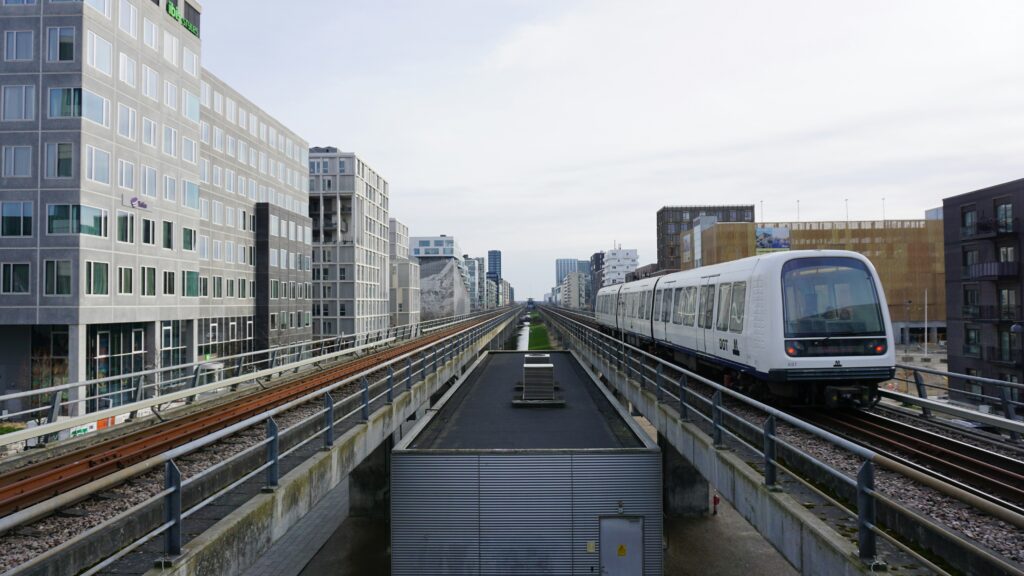
DSB operates comprehensive, reliable train services connecting Copenhagen to regional cities, islands, and smaller towns.
Key routes and approximate costs (with advance booking):
- Copenhagen to Aarhus: 4 hours, €25-50
- Copenhagen to Odense: 2 hours, €15-30
- Copenhagen to Roskilde: 25 minutes, €3-5 (perfect day trip)
Budget strategies:
- Book “Orange Billet” tickets online in advance. DSB’s orange tickets offer 30-50% discounts when purchased days ahead of travel. A €50 same-day ticket becomes €25 when booked one week prior.
- Purchase weekly passes. The “Ugeluft” pass allows unlimited regional train travel for €100-150/week—exceptional value for multi-destination itineraries.
- Use regional trains instead of express services. Slower travel times compensate for 50% cost reductions.
- Travel off-peak. Evening and night trains consistently cost less than daytime express services.
Bus Travel Within Denmark
Buses serve smaller towns and rural areas, with operators including Flixbus (budget intercity service), local municipal buses, and city buses. Local buses typically cost €2-5 per journey; intercity buses range €10-30 depending on distance. Integrated payment systems simplify navigation.
Ferry Services Between Islands in Denmark
Danish ferries connect numerous islands with reliable schedules. Multi-journey passes offer 20-30% savings compared to single tickets. Book directly with ferry operators (Molslinjen, Lolland-Falster A/S) rather than tourism websites for best rates.
Renting a Car in Denmark
Car rental costs €25-50 daily for basic vehicles. Fuel runs approximately €1.50-1.80/liter (expensive by American standards). Parking in cities costs €2-5/hour or €5-15/day in car parks. Vehicle ferries cost more than foot-passenger ferries.
I personally would skip car rental unless traveling with 3+ people (splitting costs) or spending 10+ days exploring remote regions. For most budget travelers, the train-bus-bike combination proves more economical and provides superior flexibility.
Biking Like a Local: The Danish Way
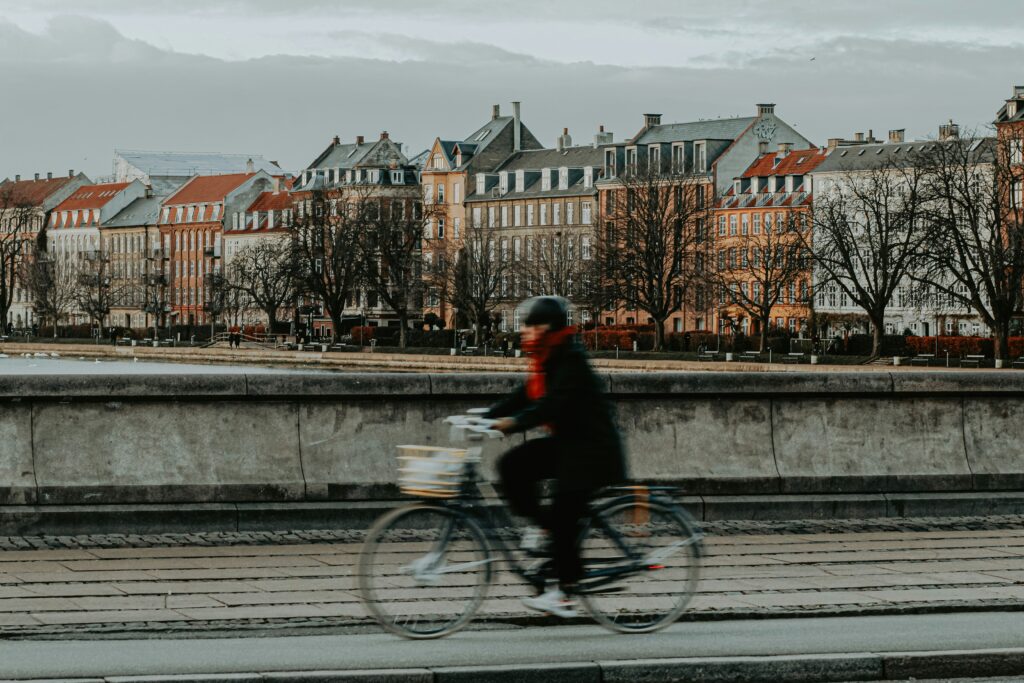
Denmark is Europe’s most bike-friendly country. Cycling is how Danes navigate daily life, and travelers embrace this authentic experience affordably.
Bike rentals are usually about €10-15/day or €50-70/week for standard bikes; e-bikes cost €30-40/day. Many hostels provide free or €3-5/day rentals.
Popular cycling routes include Copenhagen’s extensive bike lanes, the North Sea Cycle Route (Skagen to Esbjerg along northern coast), Funen Island circuits with gentle countryside loops, and converted railway Greenway paths throughout the country.
Top 12 Things to Do in Denmark Without Breaking the Bank
Explore Copenhagen’s Free & Cheap Attractions
Visitng Nyhavn & Tivoli Gardens
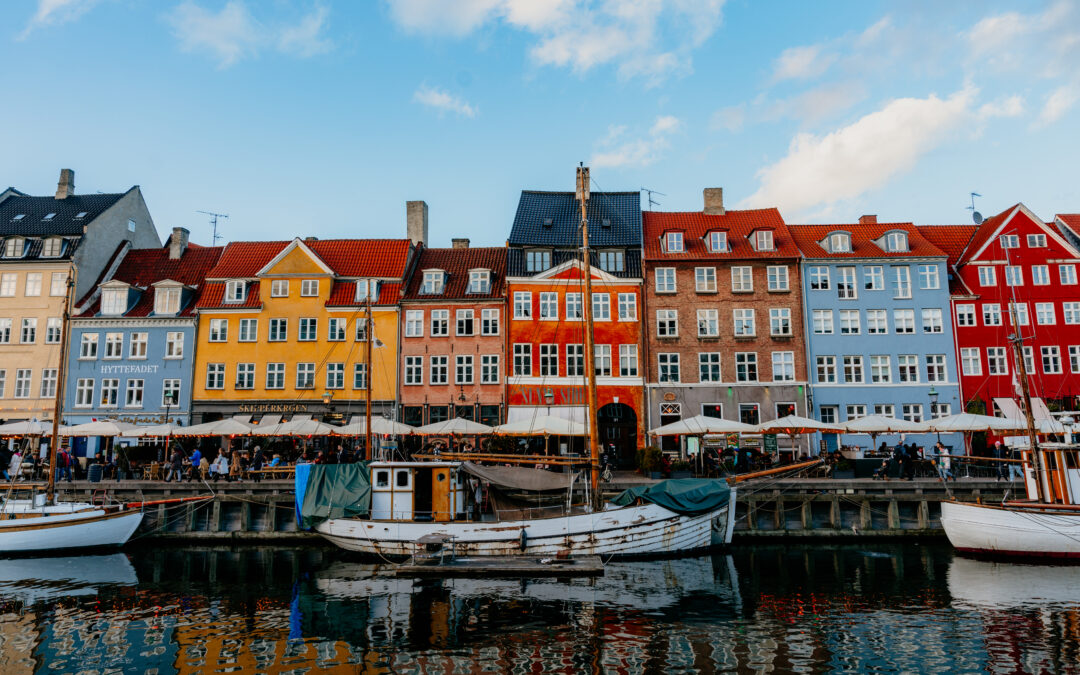
Nyhavn is free! The picturesque harbor with colorful 17th-century buildings requires you to show up. Arrive early to beat crowds and photograph without masses of tourists. Grab smørrebrød from market stalls (€10-15) rather than waterfront restaurants (€25-35).
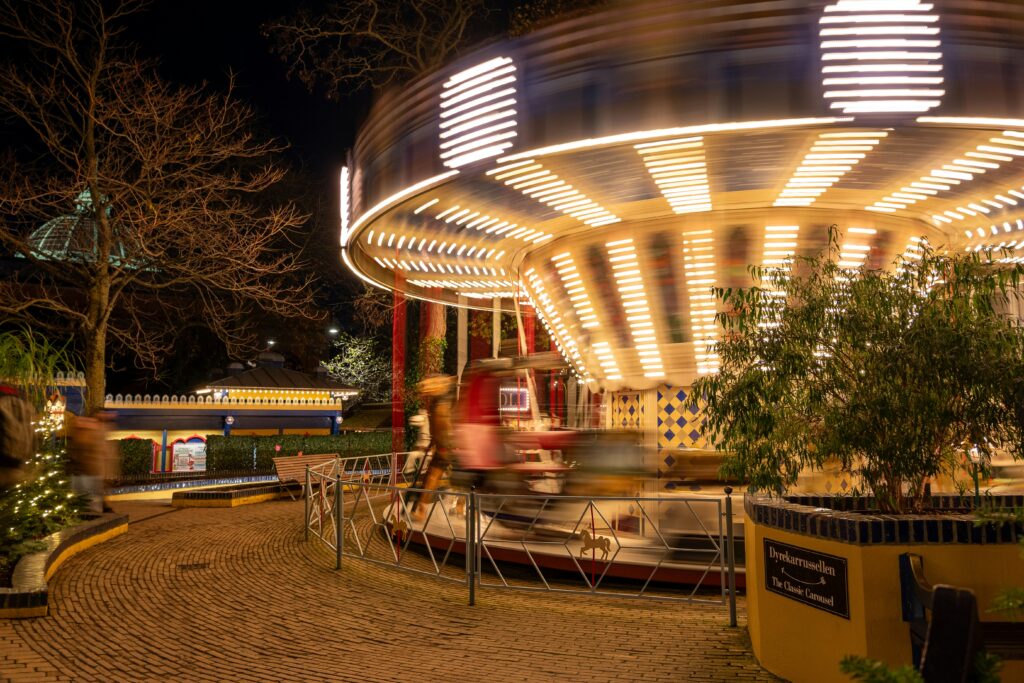
Tivoli Gardens charges €20-25 admission (€15 off-peak), reasonable for an entire day exploring historic gardens, street performers, and restaurants. Rides cost extra (€3-5 each), but the park itself—gardens, atmosphere, street performances—provides value even without expensive rides.
Christiania: The Freetown Alternative Culture
Christiania is Copenhagen’s most unique neighborhood: a freetown established in 1971 on abandoned military barracks embracing alternative culture, street art, and bohemian values found nowhere else in Scandinavia. Visiting is free. Respect posted rules regarding photography in certain areas, and experience one of Europe’s most authentic alternative communities.
Cost-effective experience: Grab inexpensive food from community kitchens (€5-10) and spend hours exploring without tourist premiums.
Runestone Parks & Viking Heritage Sites
Denmark’s runestones provide free or affordable access to Viking heritage. Jelling’s two massive runestones stand free in public parks. Lindholm Høje (near Aalborg) features an ancient burial mound with 700 graves accessible for free. Museum Sønderskov and similar institutions charge €5-8 admission, far cheaper than typical museums.
Island Hopping in Denmark: Exploring Funen, Lolland & Bornholm
Funen (Fyn): Hans Christian Andersen’s Homeland
- Odense, Funen’s largest city, offers budget-friendly exploration anchored by Hans Christian Andersen heritage.
- Hans Christian Andersen House: €10-12 admission; museum quality rivals major European institutions
- Funen villages: Rent bikes, cycle between villages, enjoy picnics—authentic rural experiences cost minimal amounts
Accommodation savings are significant: guesthouses charge €50-70/night versus €80-100+ in Copenhagen.
Bornholm: The Rocky Island Gem
Bornholm feels worlds away from Copenhagen despite easy ferry access. Rocky cliffs, sandy beaches, charming villages, and dramatic landscapes create unique Danish experiences.
Budget advantages:
- Accommodation: €40-60/night (versus €80-120 in Copenhagen)
- Attractions: Many free (beaches, hiking trails, village exploration)
- Ferry access: €30-45 return from Copenhagen
- Fewer tourists mean authentic island life rather than tourist performances
Lolland: Nature & Beach Escapes
Lolland remains Denmark’s most underdeveloped tourist island—perfect for budget travelers seeking authentic experiences beyond typical itineraries.
- Nakskov: Charming harbor town with local character
- Knuthenborg Safari Park: €15-20 admission; unique animal experience
- Coastal cycling routes: Free exploration along scenic paths
- Farmstays: €40-50/night accommodations with local family interaction
Aarhus: Denmark’s Second City on a Budget

Aarhus offers Scandinavian culture without Copenhagen’s tourist premium. Accommodation costs 20-30% less than the capital. Many museums offer free admission first Wednesdays. Local restaurants serve quality meals for €10-15 versus €20-25 in Copenhagen.
Must-see attractions:
- ARoS Art Museum: Free first Wednesday of months; otherwise €16
- Aarhus Street Art Festival (autumn): Free outdoor installations throughout the city
- Aarhus Cathedral: Free; beautiful Gothic architecture
- Tøyen Park: Massive urban park for free outdoor time
Odense: Where Hans Christian Andersen Was Born
- Beyond the Hans Christian Andersen House, Odense offers:
- Free walking tours: City guides offer free tours (tips appreciated, not required)
- Funen Village Open-Air Museum: €12-15 admission; authentic 19th-century Danish village
- Local markets: Weekend markets feature Danish crafts, food, and culture
- Accommodation: €50-70/night ensures low daily costs while experiencing cultural richness
Kronborg Castle & North Zealand Day Trips
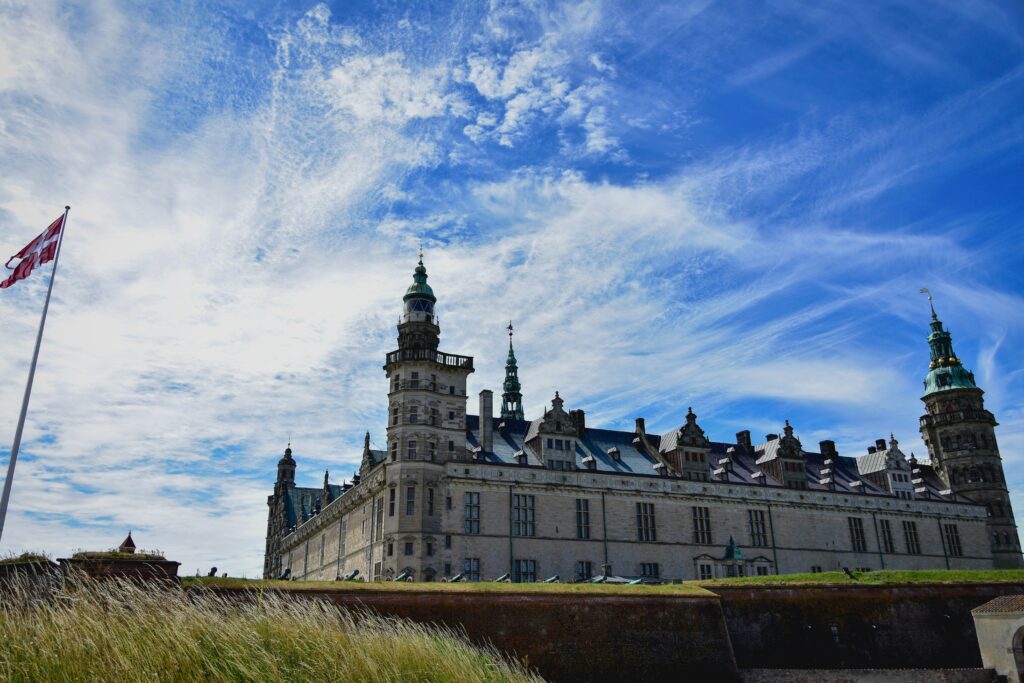
Kronborg Castle (in Helsingør, 45 minutes north of Copenhagen) is the “Hamlet” castle from Shakespeare’s play. €14-16 admission justifies the short train journey (€5-8 return).
North Zealand alternatives:
- Roskilde: Ancient Viking city with Roskilde Cathedral (€12 admission) and Viking Ship Museum (€13)
- Hornbæk Beach: Scenic beach perfect for cyclists (free beach access)
- Fredensborg Palace: Royal palace with beautiful grounds (often free outdoor access)
Natural Attractions: Beaches, Forests & Outdoor Activities
Møn’s Klint: Dramatic White Cliffs
- These 120-meter chalk cliffs are among Scandinavia’s most spectacular formations.
- Access: Free; parking €5-8/day
- Walking trails: Multiple scenic routes (1-3 hours) included with access
- Getting there: €20-30 transportation from Copenhagen
- Day trip cost: Approximately €40 total for unforgettable natural wonder
Skagen: Where Two Seas Meet
Denmark’s northernmost tip features two seas meeting at Grenen—free to visit. Walk along the beach where waves clash, explore unique landscapes, and enjoy Nordic wilderness without admission fees.
National Parks & Nature Reserves
Multiple national parks offer free or minimal-cost access:
- Thy National Park: Northern coast with free hiking
- Mols Bjerge National Park: Near Aarhus, free trails, dramatic geology
- Skjoldungernes Land National Park: Southern Zealand with free access
Viking Heritage Routes & Museums
- Jelling Rune Stones: Free outdoor UNESCO site
- National Museum of Denmark (Copenhagen): €16 admission; world-class Viking collection
- Vikingeskibsmuseet (Roskilde): €13 admission; preserved Viking ships
- Ribe Viking Center: €14 admission; living history experiences
Danish Food to Try: Eating Authentically Without Overspending
Smørrebrød: The Danish Open-Faced Sandwich
Smørrebrød represents Danish culinary soul—carefully arranged open-faced sandwiches topped with everything from simple cheese to elaborate combinations like roast beef with capers and horseradish. Buy from local bakeries (€8-12) or train stalls (€10-15) rather than restaurants (€25-40).
Where to Eat Like a Local
Street Food Markets & Food Stalls
Copenhagen’s Torvehallerne (indoor market) and street markets throughout Denmark offer affordable, authentic meals (€8-15) where you’ll watch vendors prepare food and find local favorites.
Local Delis & Bakeries
Danish bakeries are culinary institutions offering pastries (€2-4), excellent bread (€3-5), smørrebrød (€8-12), and superior coffee (€3-4). Budget hack: Bakeries sell yesterday’s items at discounts mid-afternoon—a €5 pastry becomes €2-3 after 4 PM.
Supermarket Finds & Budget Meals
Danish supermarkets (Netto, Fakta, Lidl, Aldi) offer exceptional value: prepared food sections with roasted chicken (€6-8), pre-made salads (€4-6), and pasta dishes (€5-7). Buy ingredients for one or two meals daily (€8-12 total) and eat restaurant meals strategically once daily (€15-20).
Traditional Danish Dishes Worth Trying
- Frikadeller: Meatballs with potato salad and lingonberry sauce (€10-15)
- Flæskesteg: Roasted pork belly (€12-18)
- Koldskål: Cold buttermilk dessert popular in summer (€4-6)
- Aebleskiver: Spherical pancakes filled with jam (€5-8)
Where to Stay in Denmark: Budget Accommodation Guide
Copenhagen Neighborhoods & Budget Options
Nørrebro offers hip, artistic neighborhoods with hostels (€25-35/night) and budget hotels (€60-80/night) versus touristy areas charging 30-40% premiums.
Vesterbro provides bohemian vibes with hostels (€25-40/night) and budget hotels (€65-85/night) without Nyhavn’s tourist inflation.
Outer neighborhoods offer residential authenticity with budget hotels (€50-70/night) and 15-20 minute bike rides to attractions.
Regional Cities: Aarhus, Odense & Aalborg
- Aarhus: €50-70/night budget hotels; €25-35/night hostels
- Odense: €50-65/night budget hotels; €22-32/night hostels
- Aalborg: €50-70/night budget hotels; €24-35/night hostels
Strategy: Base in regional cities and take €10-20 day trips via train/bus. You’ll save €20-30/night on accommodation while experiencing authentic Denmark.
Accommodation Types & Cost Breakdown
- Hostels: €22-45/night (best for solo travelers, social atmosphere)
- Budget hotels: €50-85/night (private rooms via ProPilot Hotels, Yotel, Zleep Hotels)
- Farm stays: €40-60/night with authentic local experiences
- Camping: €15-25/night (excellent for summer travel)
Typical Costs of a One-Week Denmark Trip
| Budget Trip (€120-150/day) | Average Trip (€200-240/day) | Luxury Trip (€300-400+/day) |
|---|---|---|
| Hostels (€40-50)Supermarket meals (€30-40)Trains/buses (€15-20)Attractions (€15-25)Miscellaneous (€10-15) | Quality budget hotels (€70-90)Mixed dining (€50-70)Transportation (€20-25)Attractions (€30-40)Miscellaneous (€30-40) | Quality hotels (€120-180)Fine dining (€100-150)Premium transportation (€30-50)Attractions (€50-80)Miscellaneous (€100+) |
Cheap Ways to Explore & Save Money in Denmark
- DSB Cards: Free registration provides 10% booking discounts.
- Weekend tickets: Friday-Sunday travel costs 20-30% less than weekday prices.
- Group tickets: 2+ people receive 20-30% discounts.
- Extended stays: 4+ night accommodations offer 10-20% discounts.
- Last-minute bookings: Same-day hotel bookings via HotelTonight provide 30-50% discounts.
- Free attractions: All beaches (€5-8 parking), public parks, first Wednesday museum admissions, free walking tours.
- Food savings: Markets (60-70% cheaper than restaurants), lunch specials (€10-12 versus €18-25 evening prices), picnic culture.
How to Stay Safe in Denmark
Denmark consistently ranks among Europe’s safest countries. Violent crime is rare, but petty theft occurs in tourist areas. Avoid displaying valuables in crowded spaces. Copenhagen’s nightlife districts warrant late-night awareness.
Solo female travelers in Denmark should be very safe with women-only train cars, welcoming hostels, and progressive culture respecting personal freedom.
Frequently Asked Questions About Traveling in Denmark
Winter (November-March) offers cheapest accommodation (50-60% less than summer), though weather is cold. Shoulder seasons (April-May and September-October) provide optimal value: mild weather, 20-40% lower prices than peak summer, fewer crowds.
Budget €120-150/day (hostels €40-50, food €30-40, transport €15-20, attractions €15-25). Copenhagen costs more (€150-180/day) due to accommodation premiums.
Public transportation is 60-70% cheaper. Car rental (€25-50/day) plus fuel and parking quickly exceeds €100/day. Trains, buses, and bikes provide superior budget economics.
No. Billund Airport (western Jutland) and Aalborg Airport (north) sometimes offer cheaper flights. Ferry options from Germany and Sweden provide alternatives. Trains connect easily from Hamburg and Berlin.
Free/cheap essentials include Nyhavn harbor, Christiania neighborhood, Møn’s Klint white cliffs, Skagen beaches, runestone parks, cycling through countryside. Copenhagen’s Tivoli (€20-25) and National Museum (€16) offer excellent value.
Smørrebrød ranges €8-12 at bakeries to €25-40 at restaurants. Budget travelers buy from bakeries or make DIY versions (€4-6) using supermarket ingredients.
Hostels in regional cities (€25-35/night), budget hotels outside tourist areas (€50-70/night), farm stays (€40-60/night), camping (€15-25/night).
Seven days allows visiting Copenhagen, 2-3 regional cities, and island-hopping while maintaining budget discipline. Five days works but feels rushed. Ten days enables relaxed exploration and deeper cultural immersion.
Yes. Copenhagen, Aarhus, and Odense offer free walking tours (tips appreciated, typically €0-10). These provide expert local knowledge for exceptional value versus €20-30 paid tours.
Conclusion
Denmark proves experiencing Scandinavian culture, Viking heritage, and Nordic design doesn’t require unlimited budgets. This comprehensive guide demonstrates how strategic planning and smart choices transform Denmark from a luxury dream into an achievable adventure. The key to budget success lies in embracing strategic timing, venturing beyond Copenhagen into authentic regional cities and islands where costs drop, leveraging Denmark’s exceptional infrastructure, and approaching travel with hygge philosophy: valuing presence over consumption.
Master Denmark’s full experience by exploring Aarhus, Odense, and island networks where accommodation and dining costs drop 25-40% while authenticity increases. Navigate confidently using trains, buses, and bikes—transportation methods costing 60-70% less than car rentals while providing superior flexibility. Transform your budget through strategic choices: daily expenses drop from €200+ in Copenhagen to €120-150 in regional areas through smart accommodation and dining decisions. Embrace authentic Danish experiences—cycling through villages, visiting free runestone parks, enjoying hygge moments—creating irreplaceable memories without premium price tags.
Denmark’s compact size, excellent infrastructure, and commitment to accessibility make the country welcoming to budget travelers. A one-week trip costs €840-1,050 for budget exploration, €1,400-1,680 for comfortable travel, or €2,100-2,800+ for luxury experiences, with every budget level delivering exceptional value. Start planning today with confidence. You have every practical detail needed to transform Denmark travel dreams into affordable reality.
Facts About Denmark
- Capital: Copenhagen
- Official Language(s): Danish
- Population: 6,001,008 (based on 2025 Estimate)
- Currency: Danish Krone (DKK) | Exchange Rate
- Time Zone: Central European Time (GMT+1)
- Electricity Plug Type: Types E & K
- Drive on the: Right