
Exploring Europe
Europe stretches from the Atlantic Ocean in the west to the Ural Mountains and the Caspian Sea in the east, giving it a huge variety of climates and landscapes in a relatively compact area. In a single trip you can move from Mediterranean coasts to Alpine peaks and then on to medieval towns or ultramodern capitals.
Culturally, Europe is a dense mix of languages, cuisines, and traditions, shaped by ancient Greece and Rome, the Middle Ages, the Renaissance, and the modern era of the European Union. Travelers experience this history in walkable old towns, world-class museums, and UNESCO World Heritage sites scattered across almost every country.
There are around 44 countries in Europe as defined by the United Nations, ranging from large nations like France, Italy, Germany, and Spain to microstates such as Monaco and San Marino. Because borders are relatively close together, it is common to visit multiple countries in one itinerary, especially using trains or low-cost airlines.
For visitors from North America, Europe often feels both familiar and different at the same time, with widespread tourism infrastructure but also strong local identities from region to region. This makes it a flexible destination whether the goal is relaxed sightseeing, food and wine, outdoor adventure, or nightlife.
Best Time to Visit Europe
The best time to visit Europe depends on what kind of trip you’re planning, but most travelers find April through October to be ideal. Spring and early summer bring pleasant weather, blooming landscapes, and lively festivals, making it perfect for sightseeing and outdoor adventures. July and August are the warmest and busiest months, especially in popular destinations like France, Italy, and Spain, so expect larger crowds and higher prices.
If you prefer fewer tourists and more affordable travel, consider visiting in the shoulder seasons like March to April or September to October. The weather is still comfortable in many regions, and you’ll enjoy a more relaxed atmosphere with better deals on hotels and flights. Winter, from November to February, is great for those who love snow sports or cozy city breaks, with magical Christmas markets and skiing opportunities in the Alps and across Northern Europe.
No matter when you visit, Europe has something incredible to offer in every season. Whether it’s spring blossoms, warm summer nights, autumn vineyards, or festive winter lights, there’s always a perfect time to explore the continent’s beauty and charm.
What to Expect When Visiting Europe
Travelers can expect generally good infrastructure, including extensive rail networks, frequent budget flights, and a wide range of accommodation options from hostels to luxury hotels. In the Schengen Area, many countries share open internal borders, which makes crossing from one member state to another feel almost like moving between U.S. states.
How to Get to Europe
From North America, most visitors arrive by direct transatlantic flights into major hubs such as London, Paris, Amsterdam, Frankfurt, Madrid, and Rome, then connect onward by air or rail. Cruise ships also call at ports in the Mediterranean and northern Europe, but flying is by far the most common entry method for international tourists.
Where to Stay in Europe
Europe offers varied places to stay, including centrally located hotels, guesthouses, apartments, and hostels that cater well to both budget and midrange travelers. Large cities usually have well-defined central districts that are convenient for sightseeing, while smaller towns often cluster lodging around historic centers or main train stations.
How to Get Around in Europe
Within Europe, long-distance trains, high-speed rail lines, and regional routes connect most major cities and many towns, making rail a popular and often scenic way to travel. For longer jumps or tighter schedules, low-cost airlines link hundreds of city pairs, while local public transit and walkable centers make it easy to get around once you arrive.
Languages of Europe
Europe is linguistically diverse, with major language families including Germanic (such as English and German), Romance (such as French, Spanish, and Italian), and Slavic (such as Polish and Russian). English is widely used in tourism and hospitality sectors, especially in northern and western Europe, which helps visitors navigate even when they do not speak local languages.
Currency Used in Europe
Many European Union countries share the euro as a common currency, simplifying payments across a large part of the continent. However, some countries, including the United Kingdom, Switzerland, and a few EU members, maintain their own national currencies, so travelers may encounter several during a multi-country trip.
Things to Do in Europe
Popular activities in Europe include exploring historic city centers, visiting museums and art galleries, enjoying regional food and wine, and taking part in local festivals. Outdoor options range from hiking in the Alps and fjords to sailing in the Mediterranean and biking through countryside regions such as Tuscany or the Netherlands.
Recent Travel Guides for Europe
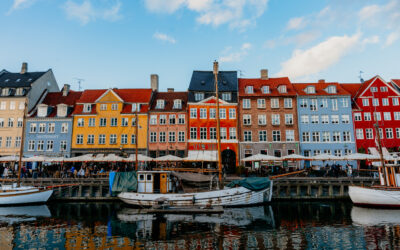
The Ultimate Denmark Travel Guide
History of Denmark: From Vikings to Modern Scandinavia Denmark's story shows how one country transformed itself over centuries. Before Copenhagen became known for design, Danish Vikings sailed the seas from the 8th to 11th centuries. They established...

The Ultimate Norway Travel Guide
Introduction Norway's fjords, vibrant cities, and Arctic landscapes draw hundreds of thousands of visitors each year. Most people assume this Scandinavian destination costs too much. Here's the truth: you experience Norway's magic without emptying your...