

Table of Contents
- Plan intentionally: book flights 6-8 weeks ahead, travel shoulder season, and set a realistic daily budget ($60-85 recommended).
- Stay in casas particulares and eat at paladares to support locals, negotiate longer stays, and prioritize provincial destinations over lengthy Havana time.
- Prepare for limited internet, periodic shortages, and legal sensitivities; carry cash, buy travel insurance, and respect local norms when photographing or discussing politics.
Introduction
Planning a trip to Cuba takes more than finding cheap flights and budget places to stay. You need to understand the island’s complex reality, current conditions, and the ethics of tourism there. This Cuba travel guide mixes practical logistics with honest insights about what visitors will find in 2025-2026. You’ll learn to plan with confidence while respecting your budget and the destination’s complexities.
Cuba differs from typical Caribbean destinations. Unlike island paradises built for tourism, Cuba operates under decades of isolation, economic limits, and unique political circumstances. These realities mean cheap Cuba travel requires strategic planning, honest expectations, and genuine respect for the communities you’ll visit. This guide addresses the gap between Instagram photos and on-the-ground reality. You’ll learn to navigate visa requirements, manage your budget, engage ethically with locals, and experience the island’s cultural richness without falling into poverty tourism.
Cuba’s current landscape has limited internet, infrastructure challenges, and economic pressures shaping daily life. Understanding this changes how you should prepare. Travelers who find the most value aren’t chasing rock-bottom prices. They make intentional choices about timing, places to stay, dining, and community engagement. Your strategic decisions determine whether your visit becomes transactional tourism or meaningful cultural exchange.
The Current Reality: Understanding Cuba in 2026
Before booking your Cuba vacation, recognize what’s happening on the island today. Recent years brought infrastructure developments. WiFi expanded. Some private enterprise grew. Tourism recovered after the pandemic. But economic limits, periodic shortages, and political restrictions remain significant realities shaping visitor experiences.
Infrastructure Status
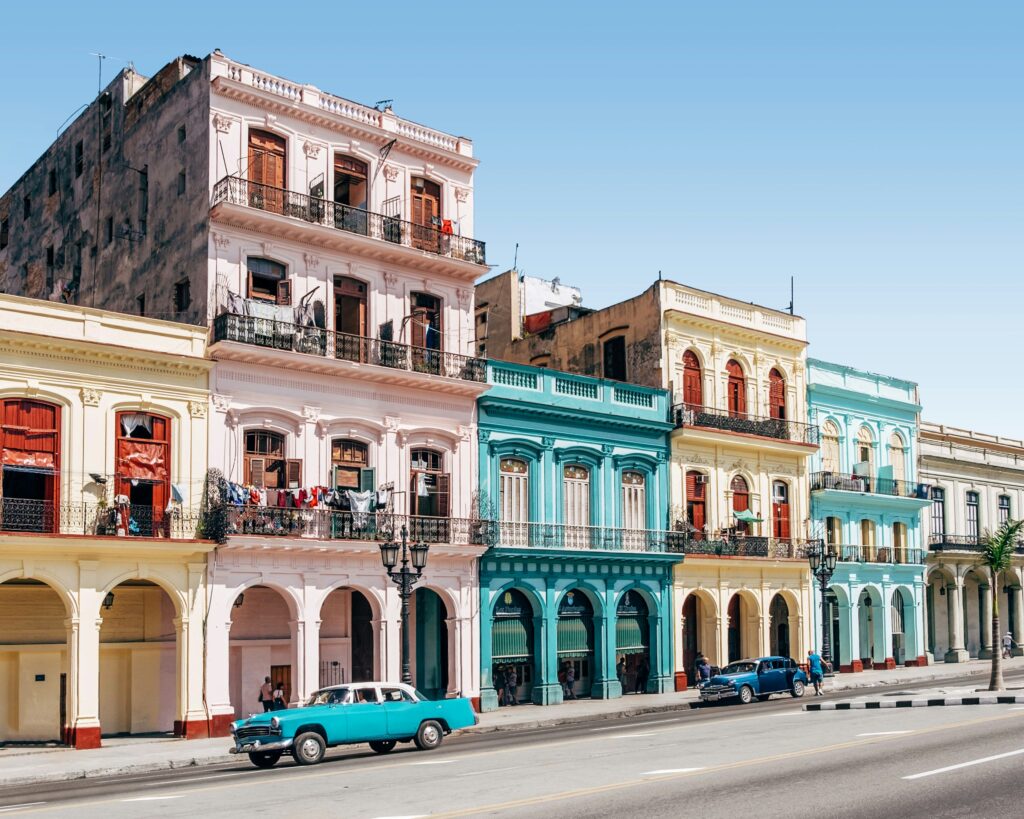
Major cities like Havana and provincial capitals work adequately for tourists. But electricity shortages happen periodically, especially in rural areas. WiFi exists but remains unreliable and expensive compared to global standards. Transportation between cities is reliable via Viazul buses, but local infrastructure varies by region.
Economic Context
Understanding where your tourist money goes matters ethically. When you spend $15 on a paladar meal versus $8 at a street vendor, the difference affects whether money supports families directly or filters through government structures. Economic hardship is visible—not as Instagram backdrop, but as genuine constraint affecting locals’ daily lives. Respectful travelers acknowledge this rather than romanticizing poverty.
Social Dynamics
Cubans welcome genuine visitors. But tourism operates within government restrictions. Certain interactions are monitored. Some topics are sensitive. Many Cubans have complex feelings about tourism—appreciating economic benefits while resenting dependency and surveillance. Recognizing these nuances prevents cultural missteps.
How to Budget Realistically for a Trip to Cuba
Most travelers underestimate authentic Cuba costs. Budget travel here doesn’t mean staying in hostels and eating ramen. You make strategic choices to maximize value while supporting locals directly.
Daily Budget Breakdown
- Ultra-Budget ($35-50 USD/day): Requires discipline. Sleep in basic casas particulares ($25-30/night), eat street food and small restaurants ($5-8/day), use public transportation exclusively ($2-3/day), and skip most paid attractions. This is achievable but demanding. You’re experiencing Cuba as locals live, without tourism comfort layers.
- Comfortable Budget ($60-85 USD/day): Realistic for quality travel. Nicer casas with breakfast included ($30-40/night), mix of paladares and casual restaurants ($15-20/day), occasional taxis plus buses ($10-15/day), and select paid experiences like guided hikes or museum entries ($10-15/day). This level balances authentic engagement with reasonable comfort.
- Moderate Luxury ($100-150+ USD/day): Allows relaxation, daily private guides ($40-50), better restaurants ($20-30/day), flights between cities, and special experiences without budget stress.
How to Get Around in Cuba
Getting to Cuba and navigating the island requires understanding current options and realistic timelines.
International Flights to Cuba
Direct flights from the U.S. (Miami, Fort Lauderdale) to Havana cost $300-600 depending on timing. Canadian carriers operate regular flights from Toronto ($400-700). Flying through Mexico or Central America sometimes yields savings ($250-400) but requires additional travel time. Book 6-8 weeks in advance for optimal pricing. Shoulder season (May-June, September-November) offers 20-40% savings versus winter months.
Domestic Transportation in Cuba
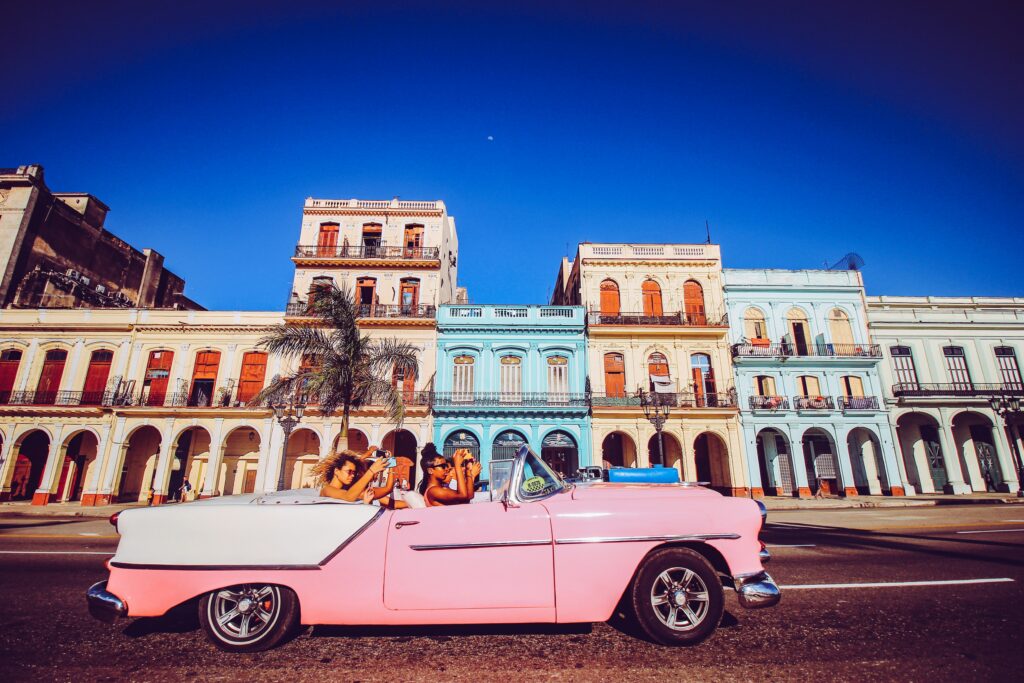
Viazul intercity buses are your primary option—modern, air-conditioned, relatively comfortable. Havana to Trinidad costs $25-30 (5-6 hours), Havana to Santiago $50 (15+ hours overnight). Book tickets at stations 1-2 days ahead. Online booking works but in-person sometimes offers slightly better rates.
Within cities, minibuses (guaguas) cost $0.50-3 per ride and provide authentic local experience alongside frequent stops and crowding. Taxis exist but require fare negotiation beforehand. Official taxis cost 3-5x more than unmarked ones ($5-10 for city rides). Renting cars ($50-80/day plus fuel) makes sense only for multi-day regional exploration with others splitting costs.
Where to Stay When Visiting Cuba
Your accommodation choice determines not your cost but your entire travel experience quality.
Casas Particulares (Family Homestays)
Your best budget option at $20-45/night. You stay in residential neighborhoods, interact with families, often receive breakfast included ($5-8 value), and access genuine local knowledge about restaurants, guides, and experiences. Book through Airbnb, Booking.com, or Cuba-specific platforms like Vivanoda. Read reviews carefully. 4.8+ ratings indicate reliable hosts.
Stay 7+ nights at single casas to negotiate 10-20% discounts. Off-season travel (May-June, September-November) yields automatic price reductions. Walking into neighborhoods and asking for rooms (“Se renta habitación”) sometimes yields cheaper rates than online booking, though reliability is less certain.
Staying at State Hotels in Cuba
$40-150/night depending on quality. Government-owned, often outdated, inconsistent service. Use as backup only. You’re paying premium prices for inferior experience compared to casas.
Staying at Hostels in Cuba
Limited infrastructure in Cuba (4-6 in Havana, 2-3 in other major cities). Costs similar to casas ($25-40) but less cultural immersion. Better for solo travelers seeking social connection, less valuable for family groups.
Top 7 Things to Do in Cuba in 2026
Beyond tourist circuits, Cuba offers extraordinary experiences accessible to budget travelers.
- Havana’s Old City: Walk colonial streets freely, exploring Plaza de la Catedral, El Malecon waterfront, and the Museum of the Revolution ($8-10). Skip expensive tourist restaurants. Eat where locals eat. Budget: $15-25 for day including museum.
- Trinidad UNESCO Site: Colonial town frozen in the 19th century, surrounded by plantation ruins reflecting slavery’s history. Hire local guide for sugar valley tours ($20-30) ensuring ethical engagement. Stay 2-3 days in casas particulares ($25-35/night). Budget: $75-120 for three days including accommodation and guide.
- Viñales Valley: Cuba’s most stunning landscape—limestone mogotes rising from tobacco valleys. Hire local hiking guides ($15-25/day), stay with farming families in casas, eat homemade meals. Budget: $60-100 for three days.
- Santiago de Cuba: Second-largest city with Caribbean flavor, revolutionary significance, and live music scene. Explore Moncada Barracks ($5-7), visit San Pedro de la Roca Castle, dance at Casa de la Música ($10 cover). Budget: $50-75 for two days.
- Beach Time: Playa Santa Lucia offers snorkeling and beach relaxation cheaper than resort areas. Hire local boat operators ($20-30) for snorkeling rather than resort tours ($60+). Budget: $30-50 for day including transportation and activity.
- Cigar Experiences: Visit tobacco farms in Viñales (free, optional donation), tour small-scale rollers ($10-20), or take factory tours in Havana ($8-15). Focus on family farms where proceeds support locals directly rather than state factories.
- Live Music: Free street performances daily in plazas throughout Cuba. Casa de la Música venues cost $5-15 cover for guaranteed live music. Skip expensive Tropicana ($80+) in favor of authentic community venues.
Experience Cuban Culture Through Food
Cuban food is extraordinary—ropa vieja, congri (rice and beans), fresh seafood, plantain dishes. Eating well on budget requires knowing where locals eat versus tourist traps.
Where to Eat: Paladares (family-run private restaurants) serve 8-15 USD entrees—authentic, delicious, profits go directly to families. Arrive before 7 PM without reservations (first-come basis). State restaurants offer consistent quality but mediocre value ($12-25). Street vendors selling sandwiches, fried foods, and fresh fruit provide cheapest options ($2-8)—buy where locals queue, indicating quality.
Daily Routine: Eat breakfast at your casa particular (included $5-8 value or DIY for $2-3). Lunch is your substantial meal—paladares or small restaurants cost 20-30% less than dinner prices ($5-10). Dinner: street food, casual spots, or light meals ($3-8). Daily food budget: $15-25 for eating well, not surviving.
Money-Saving Tactics: Order “plato del día” (daily special)—pre-set meals cost $6-10 versus à la carte. Eat lunch instead of dinner whenever possible. Buy fresh fruit from farmers markets ($0.50-2 per item). Negotiate cash-only prices sometimes yielding 5-10% discounts. Ask casa hosts about cheap local eateries they frequent.
Essential Dishes: Ropa vieja (shredded beef), picadillo (ground beef with olives), platanos (fried plantains), yuca con mojo (cassava with garlic sauce), pargo (red snapper), and ajiaco (hearty stew) represent Cuban culinary tradition. Fresh seafood is excellent quality at reasonable prices compared to global standards.
How to Stay Safe in Cuba
Cuba is generally safe for tourists—statistically safer than many U.S. cities. But realistic awareness prevents problems.
Petty Crime: Pickpocketing in crowded areas (Havana beaches, tourist districts) is the primary concern. Prevention: carry only what you need daily, use small crossbody bags, avoid displaying expensive cameras or jewelry. Don’t leave valuables visible in rental cars.
Scams: “Friendly locals” offering unsolicited tours massively overcharge. Accept tours only from established services or casa host recommendations. Currency exchange on streets is rigged. Use banks or ATMs. Confirm restaurant prices before entering. Agree taxi fares before riding.
Solo Female Travelers: Catcalling occurs but isn’t usually dangerous. Ignoring advances, keeping headphones in, walking confidently reduces attention. Avoid solo nighttime walking in unfamiliar areas. Share location with trusted contacts periodically. Most female travelers report feeling safer than in many home countries.
Legal Precautions: Never photograph military, police, or government buildings—legally prohibited. Avoid loud political commentary. If traveling with children, bring birth certificates and custody documentation. LGBTQ+ travelers will find legal protections and active queer culture, though use common sense in rural areas.
Health: Get vaccinated before arrival (Hepatitis A, Yellow Fever, Typhoid). Drink bottled water. Bring travel insurance covering evacuation—essential despite Cuba’s decent basic healthcare. Mosquito-borne illness exists but is rare. Use insect repellent.
Frequently Asked Questions About Traveling to Cuba in 2026
Yes, but with complexity. Individual tourism remains prohibited, but humanitarian, educational, family, and journalism travel are permitted categories. In practice, many Americans travel under “people-to-people” educational licenses through tour operators. You won’t be denied entry at Cuban immigration as a U.S. citizen, but understand your travel authorization rationale before departure. Consult U.S. State Department guidelines or travel lawyers for specifics.
U.S. dollars (cash). Cuba remains dollar-dependent despite embargo. Bring $1,500-2,500 depending on trip length. ATMs in cities accept U.S. debit cards with 3-4% fees. Exchange USD to Cuban Pesos (CUP) at ATMs for local transactions. Credit cards have limited acceptance and higher surcharges. Avoid street currency exchanges (scams common).
Generally yes. Violent crime against tourists is rare. Petty theft is the main concern. Use normal urban precautions—don’t display expensive items, avoid solo nighttime walking, use established transport. Most travelers report feeling safer than in home countries. Solo female travelers should use common sense but needn’t fear Cuba specifically.
May-June and September-November offer 20-40% lower accommodation prices, fewer tourists, and authentic interactions. Hurricane risk exists (August-October especially)—monitor weather. Peak prices occur December-February. Avoid if possible. Shoulder season balances budget savings with reasonable weather conditions.
Limited and expensive. WiFi cards cost $5-15 for 1-2 hours. Many casas offer included WiFi (confirm before booking). Data plans exist ($15-25/week) but connectivity is unreliable. Download offline maps before arrival. Don’t depend on internet for emergencies. Cuban phone SIM cards ($5) provide local calling. Messaging apps work via WiFi.
Realistic range: $302-430 (ultra-budget, difficult), $451-645 (comfortable, recommended), or $895-1,405 (luxury). Budget varies based on accommodation (casas vs. hotels), dining style (street food vs. paladares), and activities (free walking vs. paid experiences). Most budget travelers aim for $60-85 USD/day for quality authentic travel.
Non-U.S. citizens: generally no. Tourist card (tarjeta de turista) purchased from airlines during check-in ($25-30) is required, valid 30 days. U.S. citizens navigate complex categories detailed above. Ensure passports valid 6 months beyond travel dates.
Not recommended for budget travelers. Costs $50-80/day plus fuel, with poor road signage and challenging driving conditions (if you can even manage to get a reservation). Use Viazul buses instead (cheaper, reliable, social). Consider hiring local driver ($30-50/day) for flexibility plus cultural knowledge—often cheaper than solo renting when factoring fuel and stress.
Spend maximum 2-3 days in Havana for context, then prioritize provincial destinations (Trinidad, Viñales, Santiago). Authentic Cuba exists outside the capital—fewer tourists, lower costs, better cultural immersion, and genuine connections develop faster in smaller towns.
Conclusion
Planning a budget-conscious Cuba trip requires balancing practical logistics with ethical engagement and honest expectations. Understanding Cuba’s 2026 reality: where economic limits shape daily life, infrastructure challenges persist, and government restrictions affect certain interactionstransforms tourism from surface-level sightseeing into meaningful cultural exchange.
The strategic choices you make determine your experience’s quality: staying in casas particulares instead of hotels, eating where locals eat instead of tourist restaurants, hiring individual guides instead of organized tours, traveling during shoulder season to avoid overtourism, and engaging respectfully with communities rather than extracting experiences.
Your Cuba vacation success depends less on budget size than on intentional decision-making. Start with 6-8 weeks pre-planning: secure flights during shoulder season ($300-500), book first casas with strong reviews ($25-35/night), and research 3-4 regional destinations allowing 3-5 day stays. This foundation enables meaningful engagement impossible during rushed itineraries.
Visit Cuba as a conscious traveler. Learn basic Spanish. Ask permissions before photographing people. Support locals directly through small business purchases. Acknowledge contradictions between tourist perspective and lived reality. This mindset distinguishes meaningful travel from exploitative tourism.
Ready to begin? Start now: identify your ideal travel window, establish your realistic daily budget ($60-85 USD recommended), book flights 6-8 weeks ahead, then secure first accommodation. Cuba awaits—embrace its complexity, beauty, and people with intention and respect.
Facts About Cuba
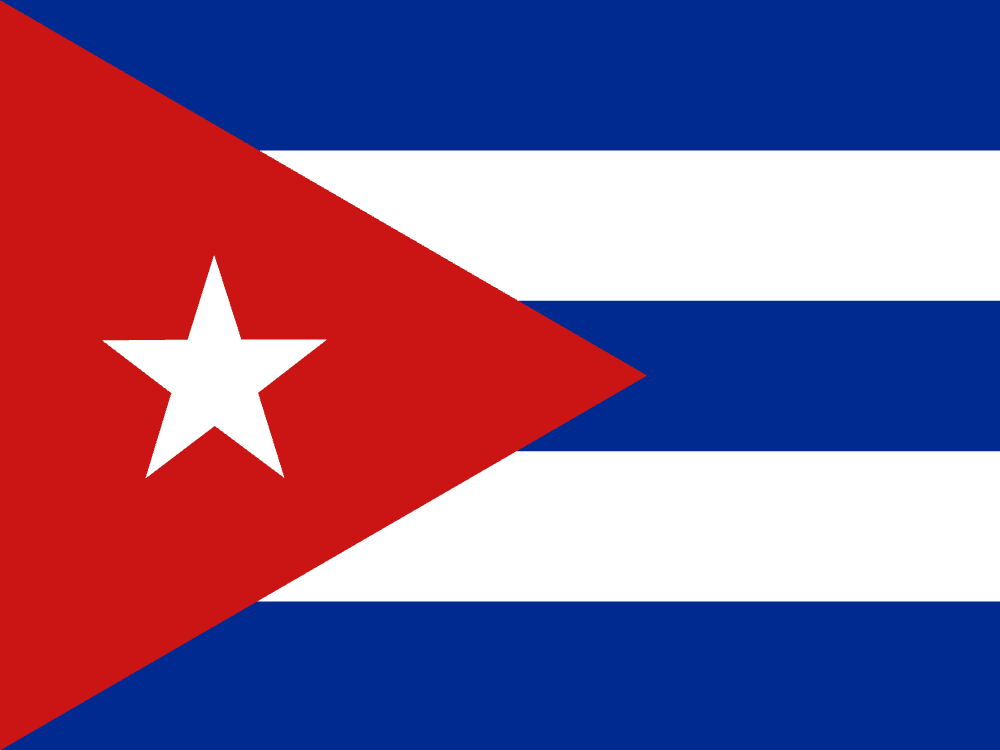
- Capital: Havana
- Official Language(s): Spanish
- Population: 10,937,203 (based on 2025 Estimate)
- Currency: Cuban Peso (CUP) | Exchange Rate
- Time Zone: Cuba Standard Time (GMT-4)
- Electricity Plug Type: Type A, B, C, and L
- Drive on the: Left