
Table of Contents
- Plan travel during shoulder seasons (April–June, September–November) for mild weather, fewer crowds, and better prices.
- Check entry rules and visa/ESTA requirements; verify latest policies affecting transgender and nonbinary travelers.
- Use a mix of transport: fly for long distances, rent a car for road trips, and rely on public transit in major cities.
- Save money with hostels, Airbnb, camping, grocery meals, National Park annual pass, and price-tracking for flights and gas.
- Prioritize experiences: national parks, regional food, scenic drives, and local markets for authentic American culture.
History of The United States
The United States is a vast and diverse country located in North America, with a history that stretches back thousands of years. Before European settlers arrived, the land was inhabited by numerous Indigenous peoples, each with their own rich cultures and traditions. European exploration began in the late 15th century, with the British eventually establishing the dominant colonies, alongside French, Spanish, and Dutch influences. These early settlements laid the groundwork for the nation’s development.
The 18th century was marked by the struggle for independence from British rule, culminating in the American Revolution and the founding of the United States in 1776. Following independence, the young nation rapidly expanded westward, encountering both opportunity and conflict, particularly with Native American populations and neighboring countries. The 19th century was also shaped by the Civil War, a defining moment that preserved the Union and ended slavery, profoundly influencing the country’s social and political landscape.
Throughout the 20th century, the United States emerged as a global leader in economics, politics, culture, and technology. It became a melting pot of people from all over the world, with waves of immigrants enriching its cultural fabric. From the skyscrapers of New York City to the natural wonders of the Grand Canyon, the U.S. offers a wide variety of landscapes and experiences. Today, it is known for its innovation, cultural diversity, and as a major destination for travelers seeking everything from bustling cities to national parks.
With its vibrant arts, music, food scenes, and a strong influence on global pop culture, the United States remains a dynamic and influential country. Visitors can explore historic landmarks, enjoy world-class museums, attend festivals, and experience the unique blend of traditions that reflect the many peoples who call this country home..

Culture of The United States
The culture of the United States is a rich and dynamic blend shaped by its history as a nation of immigrants. With influences from Native American traditions, European settlers, African heritage, and waves of newcomers from all over the world, American culture is known for its diversity and constant evolution. English is the dominant language, but many other languages, including Spanish, Chinese, and Tagalog, are spoken widely, reflecting the country’s multicultural population.
American culture places a strong emphasis on individualism, innovation, and freedom, values that are expressed through its arts, music, literature, and popular entertainment. The U.S. is famous for its contributions to music genres like jazz, blues, rock, and hip-hop, as well as Hollywood’s global film industry. Sports also play a central role in American life, with baseball, basketball, and American football among the most popular pastimes.
Food in the United States is just as diverse, influenced by the many cultures that have made the country their home. From regional specialties like Southern barbecue and New England clam chowder to international cuisines found in cities nationwide, American food culture is a flavorful reflection of its people. Holidays such as Thanksgiving and Independence Day bring communities together to celebrate shared history and traditions, often times through food, while local festivals across the country showcase the customs of different ethnic groups.
Overall, the culture of the United States offers a vibrant mix of traditions, creativity, and innovation, making it a fascinating place to explore and experience. Whether through its music, food, festivals, or arts, the country’s cultural landscape is as varied as the people who live there.
The Best Way to Travel to The United States
To get to the United States, you can travel via plane, train, drive, or take one of the many cruises that dock at one of the ports.
Travel Warning
Unfortunately, travelers to the United States in 2026, especially transgender and nonbinary individuals, may face increased scrutiny or difficulties due to new government policies requiring travel documents to match sex assigned at birth. Passports with nonbinary markers may not be acceptable for entry. It’s important to check the latest entry rules and seek advice from embassies or LGBTQ+ organizations in your home country before traveling.
Getting to The United States by Plane
Traveling to the United States by plane is the most common and convenient way to enter the country, thanks to its many major international airports spread across the nation. You’ll find well-connected routes to the United States from nearly every corner of the world.
When planning your flight, it’s important to check visa requirements and entry regulations well in advance, as the U.S. has specific rules depending on your country of origin. Also, consider the season and airport traffic—major hubs can get very busy during holidays and peak travel times.
Once you arrive, the U.S. offers excellent domestic flight connections, making it easy to travel between cities and regions if you want to explore beyond your entry point. Overall, flying into the United States is straightforward, with plenty of options for travelers seeking everything from bustling city experiences to scenic nature destinations.
How to Drive to The United States
Driving into the United States is a common way to enter from neighboring countries like Canada and Mexico. When crossing the border by car, you’ll go through customs and immigration checkpoints where you’ll need to present a valid passport or approved travel documents, such as a visa or an Enhanced Driver’s License (EDL) if applicable. Expect officers to ask questions about your travel plans, purpose of visit, and length of stay. Border waits can vary, especially during peak travel times, so it’s a good idea to check current wait times ahead of time. Once you’re through, remember that in the U.S., people drive on the right side of the road, and speed limits and traffic laws may differ from your home country, so be sure to familiarize yourself with local driving rules.
As of January 2026, you can enter the United States by care at the following locations:
Crossing into The United States From Canada via Car
- 🇨🇦 Windsor, Ontario – 🇺🇸 Detroit, Michigan
- 🇨🇦 Niagara Falls, Ontario – 🇺🇸 Buffalo, New York
- 🇨🇦 Surrey, British Columbia – 🇺🇸 Blaine, Washington
- 🇨🇦 Champlain, Quebec – 🇺🇸 Champlain, New York
- 🇨🇦 Coutts, Alberta – 🇺🇸 Sweetgrass, Montana
- 🇨🇦 Sarnia, Ontario – 🇺🇸 Port Huron, Michigan
This list is not exhaustive. For the full list, view up to date crossing locations and times here.
Crossing into The United States From Mexico via Car
- 🇲🇽 Tijuana, Baja California – 🇺🇸 San Ysidro, California
- 🇲🇽 Ciudad Juárez, Chihuahua – 🇺🇸 El Paso, Texas
- 🇲🇽 Nuevo Laredo, Tamaulipas – 🇺🇸 Laredo, Texas
- 🇲🇽 Nogales, Sonora – 🇺🇸 Nogales, Arizona
- 🇲🇽 Matamoros, Tamaulipas – 🇺🇸 Brownsville, Texas
This list is not exhaustive. For the full list, view up to date crossing locations and times here.
How to Take a Ferry to The United States
Traveling by ferry to the United States is a lesser-taken mode of transport and can be done a few ways. Although there are a ton of ferry routes within the United States, there are only a few methods for international transit. As of January 2026, the following routes exist for international ferry arrival to the USA:
- 🇧🇸 Bimini, Bahamas → 🇺🇸 Fort Lauderdale, Florida, USA
- 🇧🇸 Freeport, Bahamas → 🇺🇸 Fort Lauderdale, Florida, USA
- 🇨🇦 Victoria, British Columbia, Canada → 🇺🇸 Seattle, Washington, USA
Taking a Cruise to The United States
Taking a cruise to the United States is an exciting adventure, offering a unique perspective of some of the most iconic cities and coastal areas in North America.
As of January 2026, the following cruise ship companies offer cruises to The United States
- Azamara Cruises
- Carnival Cruises
- Celebrity Cruises
- Cunard
- Disney Cruise Line
- Holland America Line
- MSC Cruises
- Norwegian Cruise Line
- Oceania Cruises
- Princess Cruises
- Royal Caribbean Cruises
- Silversea Cruises
- Virgin Voyages Cruises
- WindStar Cruises
- and more!
Many of these cruises depart from nearby Canada and tour the American Pacific Northwest and Alaska. You can also find many other ports of departure and ports of call to find the perfect trip to the United States for you and your group.
Where Cruises to The United States Depart From
There are many cruise lines that depart from a variety of ports in various countries to set sail for the United States. As of January 2026, the following international ports have a port of departure for a destination of the United States:
- 🇦🇷 Buenos Aires, Argentina
- 🇧🇧 Bridgetown, Barbados
- 🇨🇦 Montreal, Quebec, Canada
- 🇨🇦 Quebec City, Quebec, Canada
- 🇨🇦 Vancouver, British Columbia, Canada
- 🇨🇱 Valparaiso/Santiago, Chile
- 🇩🇰 Copenhagen, Denmark
- 🏴 Dover, England
- 🏴 Southampton, England
- 🇬🇷 Piraeus/Athens, Greece
- 🇭🇰 Hong Kong
- 🇮🇸 Reykjavik, Iceland
- 🇮🇹 Rome/Civitavecchia, Italy
- 🇮🇹 Venice, Italy
- 🇳🇱 Amsterdam, Netherlands
- 🇳🇴 Bergen, Norway
- 🇵🇹 Lisbon, Portugal
- 🇵🇷 San Juan, Puerto Rico
- 🇪🇸 Barcelona, Spain
- 🇵🇫 Papeete, Tahiti, French Polynesia
- 🇹🇷 Istanbul, Turkey
When is the Best Time of Year to Travel to The United States?
The best time to visit the United States depends on what you’re looking for in your trip. If you’re aiming for perfect weather and plenty of outdoor activities, late spring (April to June) and early fall (September to November) are fantastic choices. During these months, you’ll find mild temperatures and great conditions for sightseeing, hiking, or exploring cities.
Summer (June to August) is popular for family vacations, with plenty of events and festivals, but it also brings higher temperatures and larger crowds, especially in places like national parks or coastal cities.
If you’re after a winter wonderland, December to February is ideal for skiing in the Rockies or visiting iconic snowy destinations like New York City during the holiday season, but keep in mind, some parts of the country can be quite chilly. Avoiding peak summer and winter travel can help you score better deals and experience the U.S. with fewer crowds. Ultimately, the best time to visit really comes down to your preferences and the type of experience you’re seeking!
How to Get Around in The United States
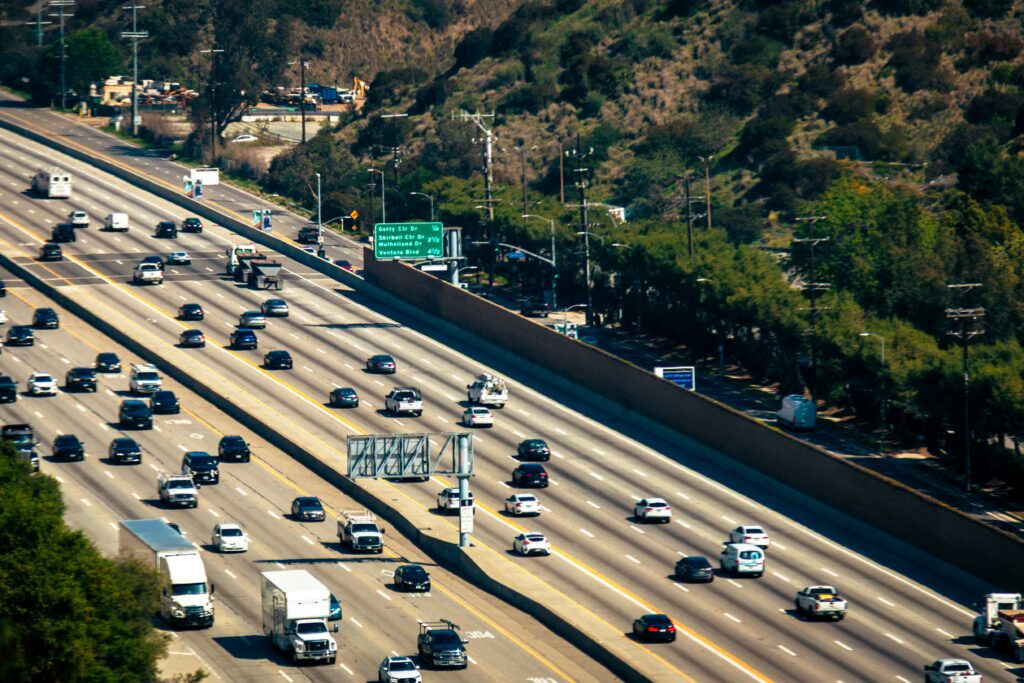
The best ways to travel in the United States really varries by your itinerary and region you are in. The US offers many different transportation types when here.
Public Transportation in The United States
Public transportation in the U.S. varies widely depending on the city. Major urban centers like New York, Chicago, and San Francisco have well-established and efficient metro systems, buses, and trams that are easy to navigate and budget-friendly. These systems are great for tourists who want to explore neighborhoods, landmarks, or cultural spots without the hassle of parking or traffic. Smaller cities may rely more on buses or have limited public transit, so it’s essential to check in advance if you plan to rely on these options. In many places, public transit apps and maps can make getting around much simpler. However, if you’re planning to visit rural areas or less populated states, public transportation can be sparse, and renting a car might be necessary.
Hiring a Taxi or a Personal Driver in The United States
Taxis are available in most major cities across the U.S., though rideshare apps like Uber and Lyft have quickly become the more popular option. These apps are convenient, allowing you to summon a ride directly to your location through your phone, track your driver, and even choose the type of ride (e.g., standard, premium, or shared). Rideshare services often offer a more affordable and flexible alternative to traditional taxis, especially in cities with heavy traffic or limited parking. In some cities, rideshare options are available at the airport, so you can easily catch a ride once you land. Taxis still hold their ground in certain areas, but overall, rideshare apps tend to provide a more streamlined experience, especially for tourists.
Renting a Car in The United States
Renting a car is one of the best ways to explore the United States, especially if you want to experience scenic drives, visit national parks, or travel between cities. Major car rental agencies are available at most airports and downtown locations, and many offer online booking, which allows you to select the vehicle that fits your needs. Keep in mind that rental prices can vary based on the season and location, and younger drivers (under 25) often face additional fees. If you’re traveling across states or going on a road trip, a rental car provides the freedom to stop wherever you like. However, be prepared for different traffic rules in each state, and always check for parking availability in cities, as it can sometimes be expensive or limited.
Taking a Domestic Flight in The United States
Domestic flights in the United States are often the fastest way to cover long distances, especially for cross-country travel. With a vast network of airports and many budget airlines offering competitive prices, flying can be an efficient and time-saving choice. However, flying within the U.S. can be subject to delays, especially during peak travel seasons like summer or the holidays. It’s important to book flights early to secure the best fares and check for any potential additional fees, such as for checked baggage. Once at the airport, security checks can be time-consuming, so plan ahead and arrive early. Despite the hustle of the airport experience, flying remains a popular and accessible way to travel across the U.S. and see the most during your trip.
Things to do in The United States
There are endless things to do in the United States, but here is a list of our top 7 favorite things I’ve done in my home country of the USA!
Visit a National Park
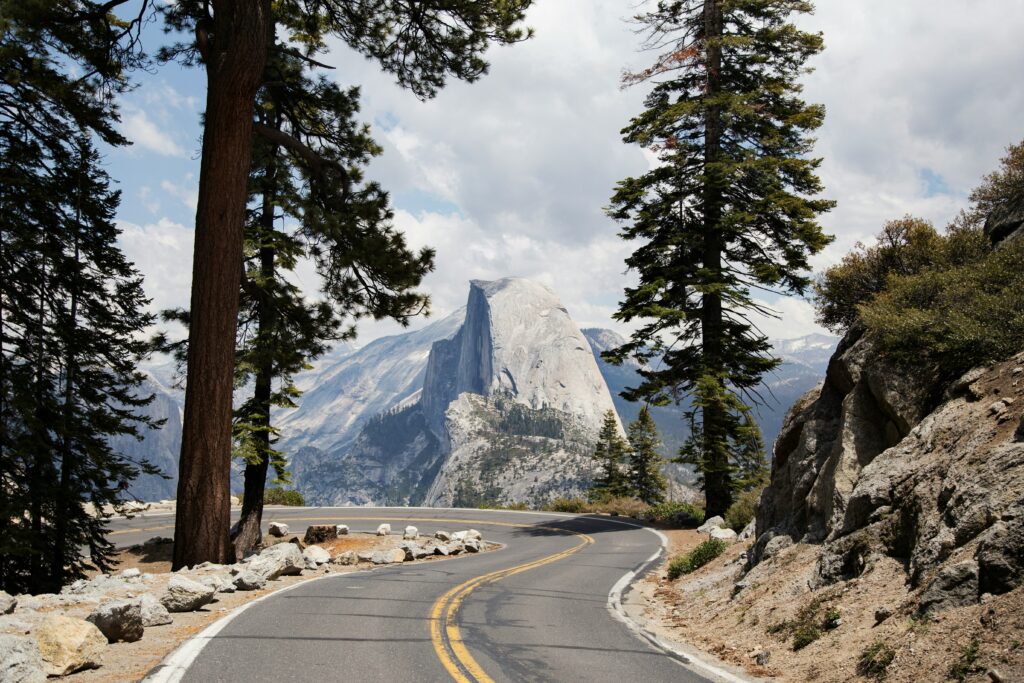
The U.S. is home to some of the most breathtaking national parks in the world, each offering its own unique scenery and opportunities for adventure. My favorite national park is Yellowstone National Park in Wyoming/Montana/Idaho. The mix of natural beauty and wildlife is totally unmatched. The parks in Utah, such as Arches and Zion, offer surreal landscapes of red rock formations, while the vast wilderness of Alaska’s Denali National Park will leave you in awe of its rugged beauty.
Visiting a national park is more than just a nature trip; it’s an opportunity to connect with the land and experience the diverse ecosystems the United States has to offer. Each park has its own season, so depending on the time of year, you can experience everything from blooming wildflowers in spring to the crisp air of fall with its colorful foliage. No matter where you decide to go, you’ll be surrounded by natural beauty that reminds you just how vast and stunning the country truly is.
Take a Road Trip
If you really want to experience the heart of the U.S., there’s no better way than taking a road trip. The freedom to drive through small towns, across sweeping landscapes, and into new adventures is what makes roadtripping in the U.S. a classic American experience. Road trips are perfect for those who want to explore the unexpected, so don’t be afraid to take a detour and find hidden gems along the way.
Visit a Beach
No trip to the United States feels complete without spending time at one of its breathtaking beaches. From the sun-drenched shores of California’s Pacific Coast to the white sands of Florida’s Gulf Coast and the dramatic cliffs of the Northeast, every stretch of coastline offers a distinct experience. Visiting a beach isn’t just about lounging in the sun, it’s about embracing the rhythm of local life, enjoying fresh coastal cuisine, and catching a sunrise or sunset that paints the sky in unforgettable colors. Whether you surf, stroll, or simply soak in the salty air, America’s beaches invite you to slow down and connect with the natural beauty that defines so much of the country’s charm.
Go Shopping
Shopping in the United States can be one of the most exciting parts of a trip, offering everything from designer outlets to quirky local boutiques that turn browsing into a full-day experience. Visitors should plan to explore at least one major mall or outlet center, where hundreds of brands sit under one roof along with restaurants, cinemas, and entertainment, so shopping naturally blends into a broader day out. Keep in mind that prices on clothing, shoes, and electronics can be very competitive, especially at outlet malls or during big sale periods like Black Friday and holiday weekends, but remember that most states add sales tax at the register—except a handful of “NOMAD” states (New Hampshire, Oregon, Montana, Alaska, Delaware) where there is no statewide sales tax, making high-ticket purchases particularly attractive there.

Try Local Foods
Trying local foods in the United States turns a simple trip into a deeper cultural experience, connecting you with the stories and traditions behind each region. From slurping clam chowder in a New England seaside town to digging into smoky barbecue in the South or grabbing a loaded Mission-style burrito in California, every plate reflects local history, climate, and immigrant influences in a delicious, tangible way. Make a point to skip chain restaurants and seek out diners, food trucks, neighborhood markets, and family-run spots; chatting with staff about their favorite dishes often leads you to specialties you might never find in a guidebook, and those spontaneous discoveries usually become the meals you remember most.
Visit a Farmer’s Market
Visiting a farmer’s market in the United States is one of the most rewarding ways to connect with a destination’s everyday life, because it brings together local growers, artisans, and neighbors in a single, lively space. As you wander between stalls piled high with seasonal produce, homemade jams, baked goods, cheeses, flowers, and handmade crafts, you not only taste what is grown in the region but also get the chance to chat with the people who produce it, gaining personal tips on how to enjoy their specialties at their best. Arrive early for the freshest selection, bring a reusable bag and some small bills, and consider planning a picnic or simple meal around your market finds so your visit becomes an experience that lingers long after you’ve left the stalls behind.
Take a Scenic Train
Taking a scenic train ride in the United States is a beautiful way to slow down and watch the landscape change without having to keep your eyes on the road. Long-distance routes and heritage railways let you settle into a comfy seat, sip a drink, and simply follow the rails as they snake past small towns, rivers, and wide-open plains that many travelers never see from the highway. Just be prepared for the fact that trains in the U.S. are a bit like rare wildlife sightings: majestic, memorable, and not exactly known for appearing everywhere or on a frequent schedule, so when you do find a good scenic route, it’s worth planning your trip around it.
Food to Try in The United States
American food is diverse. You’ll find immigrant communities, regional agriculture, and cultural traditions reflected in the cuisine. Eating like a local is budget-friendly and authentic.
Regional Food Specialties In The United States
- Southern USA: BBQ is foundational. Seek family-run joints offering smoked ribs, brisket, and pulled pork in Texas, Kansas City, Memphis, and the Carolinas ($10–$20/plate). Charleston’s Low Country cooking features shrimp and grits at authentic restaurants ($12–$18). New Orleans Cajun/Creole cuisine includes gumbo, crawfish boils, and po’ sandwiches ($8–$15).
- Midwest: Chicago deep-dish pizza is famous but touristy. Neighborhood pizzerias offer better value ($3–$4 per slice vs. $6–$8 at tourist spots). Wisconsin cheese curds, often found at state fairs, cost $5–$8.
- Southwest: Tex-Mex is exceptional in Texas border towns (El Paso, San Antonio) with tacos, enchiladas, and chile rellenos ($1–$3 per taco at local spots). Native American cuisine—frybread and blue corn dishes—appears throughout Arizona and New Mexico.
- Pacific Northwest: Fresh seafood dominates Seattle and Portland. Farmers markets are cheaper than restaurants. Portland’s food cart scene offers high-quality meals for $8–$12.
Budget Eating Strategies
- Cultural Neighborhoods: Chinese, Vietnamese, Ethiopian, Indian, and Latino neighborhoods offer authentic, affordable food. Full meals for $7–$12 instead of $15–$30 at tourist-focused restaurants.
- Farmer’s Markets: Fresh, local produce at lower prices than grocery stores. Often held Saturday mornings in most towns and include prepared foods.
- Food Trucks and Carts: Street food offers variety and better prices than sit-down restaurants. Typically found in city centers and near parks.
- Happy Hour Specials: Usually 4–6 PM, many restaurants offer discounted appetizers and drinks ($3–$8 vs. regular prices).
- Grocery Store Prepared Foods: Rotisserie chicken, precut salads, and prepared meals are 40–60% cheaper than restaurant prices.
Where to Stay in The United States
Accommodation is typically the largest expense after transportation. Strategic choices save hundreds on a multi-week trip.
Budget-Friendly Accommodation Options in The United States
- Hostels ($25–$50/night): Best for solo travelers, backpackers, and young groups. Cheap with included breakfast, centrally located, and social. The trade-off is shared bathrooms and potential noise. Many hostels offer private rooms ($60–$100/night) if you want privacy without hotel costs. Common in major cities (NYC, LA, Chicago, Portland, Austin) and college towns.
- Budget Hotel Chains ($50–$100/night): Motel 6, Super 8, Red Roof, Days Inn, and Budget Inns offer private rooms with bathrooms and basic amenities. Quality is consistent, though properties tend to be older and sometimes in less desirable areas. Book directly with the chain or via Kayak for best rates.
- Airbnb ($40–$150/night): Ideal for groups (costs lower per person when shared) and families needing kitchens. Money-saving tactics include:
- Weekly/monthly discounts (10–30% off automatically)
- Choosing rooms with kitchens to cook breakfast (saves $8–$15/person daily)
- Staying 10–20 minutes outside city centers (30–50% cheaper)
- Filtering “Entire Place” in off-peak seasons for significant discounts
- Camping ($15–$50/night): Cheapest option for road trips and national park visits. National park campgrounds run $20–$35/night. State parks $15–$30/night. Private KOA campgrounds $30–$60/night (often with amenities). BLM (Bureau of Land Management) land is often free or $5–$10/night. Sites book quickly in peak season. Reserve early.
- State Park Cabins ($35–$80/night): Middle ground between camping and hotels with basic furniture, heating, electricity, and sometimes private bathrooms. Found in most states, especially scenic areas. Book directly through state park websites.
Typical Costs of a One-Week Trip to The United States
Cheap – $60–$90 Per Day
Planning a budget trip to the United States can keep daily costs around $60–$90 per person, making it accessible for travelers who prioritize value without sacrificing key experiences. Opt for hostels at $30–$40 per night or budget motels ranging from $50–$70, which provide comfortable basics in most cities and towns. Transportation stays affordable through public transit in urban areas at $30–$50 per week, while multi-state road trips work well with a rental car split among a group for just $15–$25 per person per day. Keep food expenses low at $12–$18 daily by shopping at groceries or food trucks, and focus attractions on free museums, scenic walks, and one or two paid sites costing $5–$15 per day. Over a week, this approach totals $420–$630 per person, excluding flights, leaving room for spontaneous discoveries.
Average – $90–$150 Per Day
For an average trip budgeted at $90–$150 per person per day, expect a balanced mix of comfort and exploration across the country’s diverse regions. Accommodation in budget hotels ($70–$100 per night) or shared Airbnb rooms ($60–$100) offers more privacy and convenience than ultra-cheap options. A rental car at $40–$60 per day, divided among 3–4 people, provides the flexibility to chase scenic routes or farmer’s markets mentioned earlier. Food costs of $25–$35 daily allow a blend of casual diners, local specialties like regional barbecue or beachside eats, and occasional nicer meals. With 3–4 paid attractions or activities at $15–$25 per day—think scenic train rides or outlet shopping—this itinerary sums to $630–$1,050 weekly per person, excluding flights, ideal for savoring America’s highlights.
Luxury – $400+ Per Day
Luxury travel in the United States easily exceeds $400 per person per day, unlocking premium comforts and exclusive access to the nation’s best. Stay in mid-range to upscale hotels at $150–$250 or more per night, often with ocean views or city skylines that elevate any beach or urban visit. Transportation elevates to premium flights, frequent regional hops, and high-end rental cars for seamless journeys between shopping hubs, foodie trails, and markets. Dining at fine restaurants or high-end spots runs $50–$100 or more daily, featuring elevated takes on local flavors from farm-fresh produce to coastal seafood. All major attractions, guided tours, and premium experiences—like private train excursions or VIP tastings—add another $50–$100+ per day, pushing weekly totals to $1,400–$2,100 or higher per person, excluding flights, for an indulgent coast-to-coast adventure
Cheap Ways to Explore and Save Money in The United States
- Fly When It’s Cheap. Drive When It’s Not: Flights between distant cities (NYC–LA) often cost less than gas for 2,000-mile road trips ($150–$250 vs. $250–$400+ in gas). For 1–3 state hops, driving is usually cheaper, especially with a group. Use Google Flights’ “Track Prices” to find the best windows.
- Use Rideshare for Long-Distance Travel: BlaBlaCar and Greyhound rideshare split costs with strangers (much cheaper than buses, comparable to flying). Saves $50–$200 on multi-state journeys.
- Leverage Gas-Saving Strategies: Use GasBuddy app to find cheapest gas stations (varies $0.30–$0.80/gallon regionally). Avoid gas at highway rest stops (often 20–30% more expensive).
- National Park Annual Pass: $80/year covers all U.S. National Parks and federal recreation sites ($35 per park if paid individually). Pays for itself after visiting three parks.
- Free Museum Days: Many Smithsonians in D.C. are always free. Most major museums offer “pay-what-you-wish” hours (usually 4–8 PM on weekdays).
- City Discount Passes: New York CityPASS ($79, saves $45–$100 on major attractions), Los Angeles Go Card, and similar passes offer bundled discounts.
- Free Attractions: National monuments (many free or cheap), public beaches (mostly free), hiking trails on public land (free), and city walking tours (free; tips appreciated, usually $10–$20 suggested).
Frequently Asked Questions About Traveling to The United States
April–May (spring) and September–October (fall) offer ideal weather, fewer crowds, and lower prices than summer. Choose seasons based on your destination: spring is best for the Northeast and wildflowers. Fall for foliage. Winter is cheap but cold in northern regions. Winter is pleasant in Florida, Arizona, and Southern California. Avoid July–August (crowded and expensive) and holiday periods (Thanksgiving, Christmas, New Year’s, July 4th).
Travel during shoulder seasons (30–50% cheaper), stay outside city centers (40–60% cheaper), rent a car for multi-state trips (cheaper than flying short distances), use budget hostels/motels, cook at least one meal daily (saves $15–$25/person), and visit free attractions. A national park pass ($80/year) pays for itself after three parks. Aim for $60–$90/day per person for budget travel, or $100–$150/day for comfortable mid-range experiences.
Natural wonders include the Grand Canyon, Yellowstone, Niagara Falls, and Yosemite. Cultural hubs include New York City, New Orleans, Los Angeles, San Francisco, and Washington D.C. Scenic road trips include Route 66, Pacific Coast Highway, and Blue Ridge Parkway. National parks offer accessible natural beauty. Prioritize based on interests. A 2-week trip might focus on one region rather than rushing across the country.
In major cities, public transit is efficient and cheap ($2–$3 per ride; $30–$70/week passes). For multi-state trips, rental cars are cost-effective ($40–$60/day for economy cars) and flexible. Long-distance options include Greyhound buses ($20–$80), Amtrak trains ($100–$300+), and budget airlines. Most Americans use personal cars outside cities. Public transit is limited in small towns.
Budget travelers spend $420–$630/person (hostels, camping, cheap food). Mid-range travelers spend $630–$1,050/person (decent hotels, casual restaurants, some paid activities). Luxury travelers spend $1,400–$2,100+/person (upscale hotels, fine dining, premium experiences). These exclude international flights. Add $400–$1,200+ for round-trip flights from Europe/Asia.
Citizens of most countries have visa-free or visa-on-arrival access through the Visa Waiver Program (VWP) for stays up to 90 days. You need an ESTA (Electronic System for Travel Authorization) approved online ($14, valid 2 years). Citizens of countries not on the VWP list need a traditional visa from a U.S. embassy. Check the State Department website for your country’s requirements.
Pack layers (weather varies by region and season), comfortable walking shoes, weather-appropriate clothing, a rain jacket, and sunscreen. Bring an adapter if coming from outside North America (110V, Type A/B plugs). A reusable water bottle saves money and reduces waste. If renting a car, bring a valid driver’s license. Keep medication in original bottles with copies of important documents.
The U.S. is safe for solo travelers with normal precautions. Stay in well-reviewed hostels or hotels, avoid empty streets late at night, use rideshare instead of walking alone, and inform friends/family of your plans. Women report feeling safe in major cities and tourist areas. Trust your instincts. If something feels off, leave. Rural areas and certain neighborhoods have higher crime. Ask locals for advice.
Hostels cost $25–$50/night (social, basic). Budget hotels cost $50–$100/night (private rooms, consistent quality). Airbnb costs $40–$150/night (cook meals to save; look for weekly discounts 10–30% off). Camping costs $15–$50/night (cheapest). Book 6–8 weeks in advance, travel during shoulder seasons (April–May, September–October), stay outside city centers, and use Hotel Tonight for same-day discounts ($40–$80 off).
Gas ($0.10–0.15 per mile), tolls ($0.50–$10+ per segment in certain regions), paid attractions ($15–$40 each), rental car fees (insurance, airport facility fees add 15–25%), and meals. Build a detailed budget upfront to prevent overspending and allocate funds to experiences you care about most. Additionally, all restaurants and most service providers (tattoo artists, hair dressers, etc.) rely on tips in their wages – tipping is not mandatory, but it is the social norm to provide one almost everywhere.
Conclusion
The United States offers incredible diversity—from world-renowned natural wonders and famous cities to hidden gems and authentic local experiences. Whether you’re driving Route 66, hiking national parks, savoring regional cuisines, or exploring historic neighborhoods, visiting the United States on a budget is achievable with smart planning.
The key is knowing how to travel the United States on a budget: visit during shoulder seasons (April–May, September–October) for 30–50% savings, embrace multi-state road trips rather than flying short distances, stay outside city centers to cut accommodation by 40–60%, cook at least one meal daily, and invest in a national park pass ($80 annually). The pass pays for itself after three parks.
By following this guide, you’ll navigate transportation strategically, choose accommodations wisely, find authentic food experiences, and pack your itinerary with must-see landmarks and off-the-beaten-path discoveries. Whether you have a week for a regional deep-dive or three weeks for a cross-country adventure, you now have the framework to create an unforgettable American journey without the premium price tag.
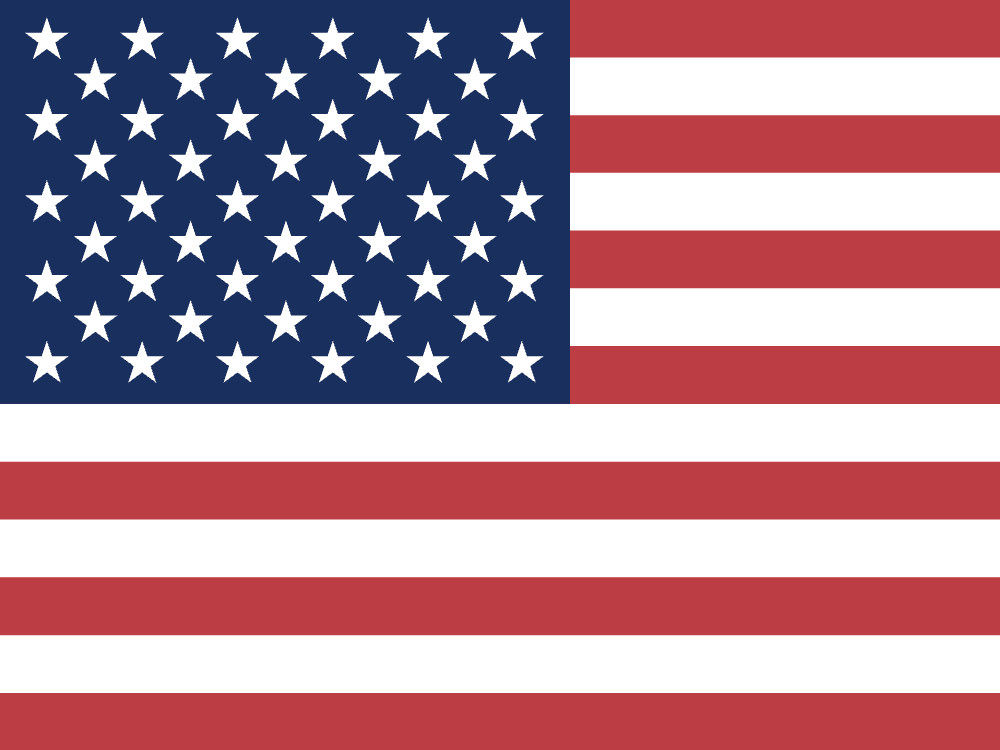
Facts About The United States
- Capital: Washington DC
- Official Language(s): English
- Population: 340,110,988 (based on 2024 Estimate)
- Currency: United States Dollar (USD)
- Time Zone(s):
- Samoa Time (GMT−11:00)
- Hawaii-Aleutian Time (GMT−10:00)
- Alaska Time (GMT−09:00)
- Pacific Time (GMT−08:00)
- Mountain Time (GMT−07:00)
- Central Time (GMT−06:00)
- Eastern Time (GMT−05:00)
- Atlantic Standard Time (GMT−04:00)
- Chamorro Time (GMT+10:00)
- Wake Island Time (GMT+12:00)
- Electricity Plug Type: Type A and Type B
- Drive on the: Right