
Exploring Norway
Norway delivers dramatic scenery and quiet moments in equal measure, from glassy fjords and jagged peaks to stylish cities and storybook fishing villages. Many travelers start in Oslo, where contemporary architecture like the waterfront Opera House and MUNCH museum sits alongside leafy parks, historic neighborhoods, and an evolving food scene that highlights local seafood and seasonal produce. From there, it is easy to connect to fjord country around Bergen, where colorful Bryggen wharf and nearby valleys make a gentle introduction to Western Norway’s landscapes.
The country’s headline acts are its fjords and mountains, which are surprisingly accessible thanks to a well-developed network of scenic roads, ferries, and hiking trails. Classic viewpoints such as Preikestolen (Pulpit Rock), Trolltunga, and Kjeragbolten reward effort with vertiginous drops, mirror-like lakes, and long summer light, while more relaxed visitors can enjoy armchair views from boats that slip between sheer rock walls on the Nærøyfjord or Geirangerfjord. Even short trips often combine these icons with quieter corners, where small villages, stave churches, and local farms give a glimpse into traditional coastal and rural life.
Further north, the Arctic circle brings a very different Norway, where seasons revolve around the northern lights and the midnight sun. Towns like Tromsø and the Lofoten Islands are gateways to winter adventures such as dog sledding, snowshoeing, reindeer experiences, and northern lights safaris, while in summer the sun barely sets and you can hike, kayak, or fish at midnight under a soft golden glow. Even farther into Finnmark, sparse settlements, Sami culture, and broad plateaus create a feeling of genuine remoteness that appeals to travelers who enjoy big skies and quiet roads.
Despite its wild reputation, Norway feels orderly and easy to navigate, with high levels of safety, widely spoken English, and a strong culture of outdoor life known as friluftsliv. Locals embrace nature year-round, heading to cabins, ski tracks, and coastal paths in all kinds of weather, and visitors often find themselves pulled into this rhythm through everything from urban saunas and fjord swims to mountain huts and cozy cafés. The main adjustment for many is budgeting, as Norway is notably expensive, but thoughtful choices in transport, accommodation, and food can keep costs manageable without sacrificing the country’s signature experiences.
Facts About Norway
- Capital: Oslo
- Official Language(s): Norwegian
- Population: 5,601,049 (based on 2025 Estimate)
- Currency: Norwegian Krone (NOK) | Exchange Rate
- Time Zone: Central European Time (GMT+1)
- Electricity Plug Type: Types C & F
- Drive on the: Right
Best Time to Visit Norway
Norway is a classic summer destination, with June through August bringing long days, mild temperatures, and the famous midnight sun in the north. This is the best time for hiking, road trips, fjord cruises, and outdoor cafés, since most attractions are open and mountain passes and ferries run frequent seasonal schedules.
Spring and autumn offer fewer crowds, colorful scenery, and lower prices, though weather can be more changeable and some highland routes or attractions may operate on limited hours. Winter, from roughly October to March, is ideal if the priority is the northern lights and snow-based activities, especially in Arctic Norway where dark nights and clear skies give the best chances of seeing the aurora.
What to Expect When Visiting Norway
Travelers can expect a highly organized, low-stress experience where public services function smoothly and English is widely understood, especially in cities and tourist areas. Prices for dining, alcohol, and some activities are high by global standards, but tap water is excellent, nature access is free under the right-to-roam rules, and many museums and attractions offer passes or discounts that help stretch a budget.
How to Get to Norway
Most visitors arrive by air into Oslo, Bergen, Trondheim, or Tromsø, all of which have international connections and domestic links that make onward travel simple. Others come by ferry from continental Europe or Denmark, or by train from Sweden, which can be a scenic alternative that dovetails nicely with rail journeys inside Norway.
Where to Stay in Norway
Accommodation ranges from design-forward city hotels and classic waterfront properties to cozy cabins, mountain lodges, and rorbuer (converted fishermen’s huts) in coastal areas. Booking ahead is key in summer and around northern lights season, and travelers looking to save often mix hotel nights with simple guesthouses, self-catering cabins, or campsite cabins that still offer warmth and comfort.
How to Get Around in Norway
Norway’s transport network combines trains, buses, domestic flights, and boats into a flexible system that makes it straightforward to reach even remote regions. Scenic rail lines, extensive bus routes, and car ferries knit together fjords and mountains, while domestic flights efficiently cover long north–south distances and coastal express ships link ports along the length of the country.
Languages of Norway
The official language is Norwegian, with two written standards (Bokmål and Nynorsk), and many people in the north also speak Sami, the indigenous language. English is widely spoken and generally fluent, particularly among younger Norwegians and in service industries, so visitors rarely need more than a few basic Norwegian phrases unless traveling very far off the beaten path.
Currency Used in Norway
Norway uses the Norwegian krone, abbreviated NOK and often written as “kr”, and it is the only currency accepted for most everyday transactions. The country is highly cashless, with credit and debit cards accepted almost everywhere and contactless payments common, so many visitors never need to withdraw cash beyond a small amount for occasional rural purchases.
Things to Do in Norway
Highlights include cruising or kayaking through the major fjords, exploring Oslo’s museums and waterfront, and wandering the historic Bryggen wharf in Bergen. In the north, visitors can chase the northern lights, join whale-watching or dog-sledding excursions, and experience Sami culture, while summer travelers take advantage of the midnight sun for late-night hikes, fishing, and sea adventures among islands and coastal cliffs.
Recent Travel Guides for Norway
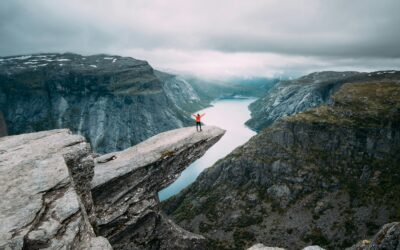
The Ultimate Norway Travel Guide
Introduction Norway's fjords, vibrant cities, and Arctic landscapes draw hundreds of thousands of visitors each year. Most people assume this Scandinavian destination costs too much. Here's the truth: you experience Norway's magic without emptying your...