
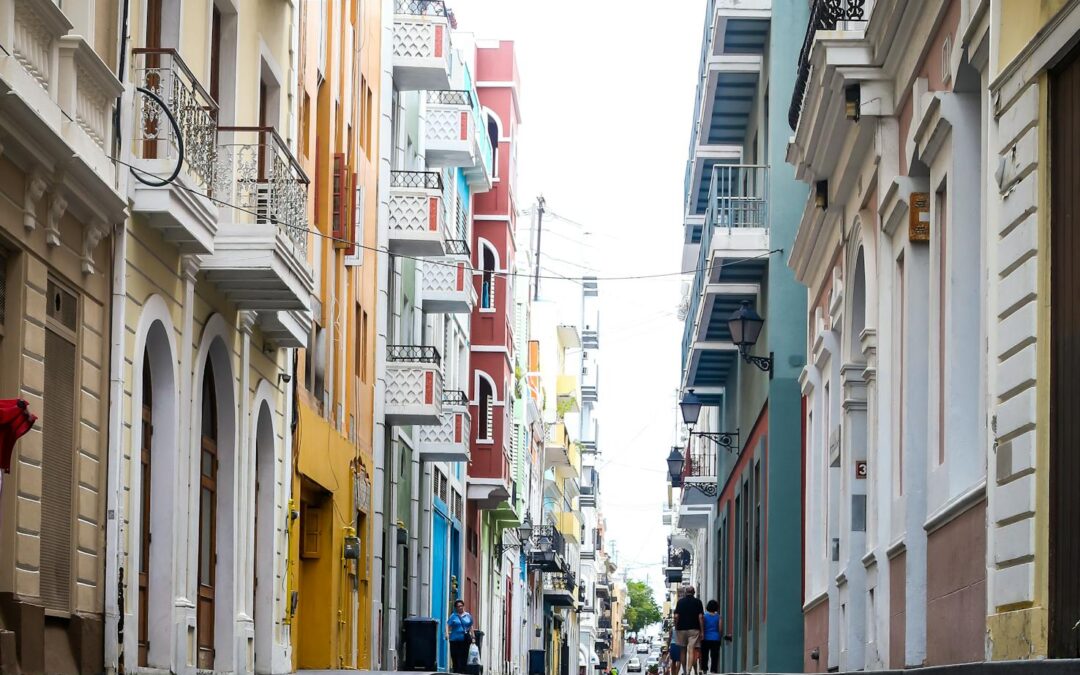
Table of Contents
- Visit during shoulder season for big savings with good weather and fewer crowds.
- Base yourself strategically: San Juan for culture, Fajardo or Rincón for nature and beaches.
- Use Uber, guaguas, or skip rentals in San Juan; rent a car for multi-region trips.
- Eat local: street food, cafeterías, and fish fries to save money and experience authentic cuisine.
Introduction
Planning a Caribbean escape often means choosing between dream destinations and realistic budgets. Puerto Rico breaks that false choice. As a U.S. territory, Puerto Rico travel requires no passport for American citizens, uses the U.S. dollar, and offers world-class beaches, rainforests, vibrant culture, and legendary food at a fraction of what you’d spend on other Caribbean islands.
The challenge is figuring out how to maximize your experience without overspending on flights, accommodations, and activities. This comprehensive Puerto Rico travel guide solves that. Whether you’re planning a quick long weekend escape or a two-week island-hopping adventure, this resource combines practical logistics, neighborhood breakdowns, day-by-day itineraries, and insider cost-cutting strategies.
Inside, you’ll discover how to visit Puerto Rico strategically. You’ll learn to choose the right base (San Juan, Rincón, or Fajardo), understand when to travel for better rates, navigate transportation like a local, and eat authentic Puerto Rican cuisine without tourist markups. We’ll tackle the big questions: When should I go? Do I need a rental car? How much should I budget? Plus, we’ll share the experiences worth your time: bioluminescent bays, El Yunque rainforest trails, historic Old San Juan, and local food spots serving authentic Puerto Rico.
Whether you’re a budget backpacker, a mid-range explorer, or someone looking for strategic luxury splurges, this guide shows you exactly how to structure your Puerto Rico vacation for maximum memories and minimum stress.
When Is the Best Time to Visit Puerto Rico
Timing your visit to Puerto Rico affects both costs and experiences. Puerto Rico has two main seasons: peak season (December–April) and shoulder/off-season (May–November). Understanding these patterns lets you make informed decisions about when to travel.
Peak Season: December to April
- Weather: Sunny, dry, comfortable temperatures (75–85°F). Perfect beach and hiking conditions with minimal rainfall.
- Crowds and Costs: Tourist season is at its height. Hotels charge 30–50% more than shoulder season, attractions draw massive crowds, and reservations become essential for popular experiences. December is especially busy due to holiday travel.
- Best for: People who want guaranteed good weather and don’t mind crowds or higher prices. Families with school-age children or those inflexible on travel dates.
Shoulder Season: May, September, Early December
- Weather: Warm (80–90°F), occasional afternoon showers, but still excellent for most activities. Rain typically passes quickly, and humidity increases slightly.
- Crowds and Costs: Significantly fewer tourists mean 20–40% lower accommodation prices, easier restaurant reservations, and shorter wait times for activities like El Yunque trail entry and bioluminescent bay tours.
- Best for: Budget travelers, remote workers, and anyone seeking more authentic cultural experiences. You’ll encounter local Puerto Rico rather than infrastructure built purely for tourism.
Off-Season: June, July, August, Late October–November
- Weather: Hot and humid (85–95°F), frequent afternoon rain showers. Swimmers don’t mind water activities. Hikers struggle with heat and brief downpours.
- Crowds and Costs: Cheapest rates of the year (40–50% off peak pricing). Hostels, guesthouses, and vacation rentals offer deep discounts. Fewest tourists mean you’re exploring alongside locals.
- Best for: Serious budget travelers, families with flexible schedules, and those prioritizing affordability over perfect weather. You’ll experience Puerto Rico as locals do—less filtered through tourism marketing.
Hurricane Season: September & October
Hurricane season runs June–November, with September and October seeing the highest historical activity. Direct hits on Puerto Rico are rare—the island sits south of the typical hurricane belt. What’s more common: distant tropical storms causing increased rainfall, occasional rough seas, and temporary attraction closures.
- Budget Consideration: Travel insurance costs $15–30 for a week and covers trip cancellations due to weather. Many accommodation providers offer free cancellation policies during these months, allowing you to reschedule without financial loss.
- Pro Tip: Book accommodations and tours with flexible cancellation policies during September–October. If a storm threatens, you reschedule without losing deposits.
How to Get Around in Puerto Rico
Once you’ve arrived, navigating the island is your next puzzle. Options include rental cars, taxis, Uber, public minibuses, and organized tours. The right choice depends on your trip length, base location, and comfort level.
Renting a Car in Puerto Rico
A rental car offers maximum freedom and is often the most cost-effective option for groups or longer trips exploring multiple regions. Rental companies (Budget, Avis, Enterprise, and local options) have desks at both main airports.
What You Need:
- Valid U.S. driver’s license (no International Driving Permit required for U.S. citizens)
- Credit card for rental deposit
- Proof of insurance (your personal policy often covers rentals; check before booking)
Costs:
- Budget cars: $25–40/day (off-season) to $45–65/day (peak season)
- Gas: ~$3–3.50 per gallon (similar to mainland U.S.)
- Tolls: $1–3 per toll road (automatic SunPass system; rental companies charge small fees if you use tolls)
- Parking: Free in most areas; paid parking in Old San Juan ($2–5/hour in garages)
When a Rental Car Makes Sense in Puerto Rico | When You Don’t Need a Rental Car in Puerto Rico |
|
|
Public Transportation in Puerto Rico
Puerto Rico has an extensive public minibus system called “guaguas.” These are shared vans or small buses running fixed routes and are incredibly cheap ($0.75–2 depending on distance).
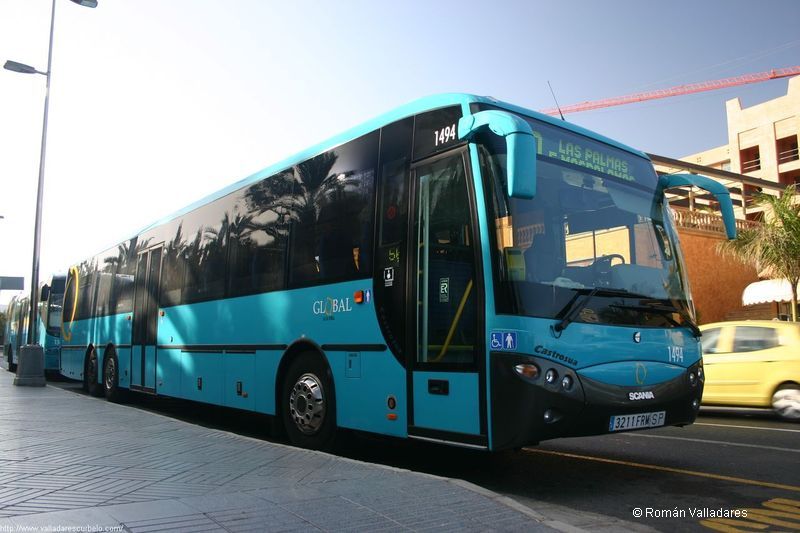
Riding Guaguas in Puerto Rico
Guaguas are shared minibuses that function similarly to informal public transport. They are usually marked with route numbers and destinations, often handwritten on the windshield, and you hail them on the street much like a taxi. When you board, you tell the driver your destination, then pay as you exit, with most local rides costing around 1–2 USD. These vehicles can be crowded, but they are a reliable and very economical option for getting between neighborhoods.
Guaguas work best for budget-conscious travelers who want to maximize savings and do not mind slower, more local journeys. They are ideal for short trips between nearby neighborhoods, especially if you are interested in traveling alongside locals and enjoying a more authentic everyday experience. Because schedules are flexible and not always clearly posted, they are better suited to times when you do not have strict time constraints.
There are situations where guaguas are not the best choice. If you are carrying large suitcases, space will be tight and inconvenient in a crowded van. They are also a poor fit for time-sensitive travel, such as catching a flight or tour, because departure and arrival times can be unpredictable. Travelers who are completely unfamiliar with the system or cannot comfortably navigate route numbers may prefer taxis, rideshares, or organized transfers instead.
For the smoothest experience, ask your hotel staff or rental host which guagua to take and where to catch it. They can point you to the correct stop, explain the route in simple terms, and often share tips about when to travel. Most locals are accustomed to helping visitors and will gladly confirm that you are boarding the right vehicle and let you know where to get off.
Taxis and Ride-Sharing in Puerto Rico
Taxis are plentiful in areas like San Juan, Condado, and around major tourist attractions, making them a convenient option if you want door-to-door service. Ride-sharing apps such as Uber and Lyft also operate widely across the island and often come in at a lower price than traditional taxis for similar routes. Typically, taxi fares start with an initial flag of around 3 USD and then add roughly 0.15–0.25 USD per mile, so most standard trips within San Juan fall in the range of 8–15 USD. For longer journeys like to or from the airport, it is wise to agree on the fare before you get in, since some drivers prefer fixed, flat rates for these rides.
Ride-sharing services usually cost about 10–20% less than regular taxis on comparable routes, though they can be subject to surge pricing during busy times like morning and evening rush hours. New users can sometimes find promotional codes that offer discounts in the range of 10–15 USD on their first rides. These apps are widely available in San Juan, Condado, and Old San Juan, and coverage continues to expand into nearby regional cities, which increases flexibility for travelers staying beyond the main tourist hubs.
Both taxis and ride-shares are especially useful for short hops around San Juan, where using an app can often be cheaper and quicker than flagging a cab on the street. They are also a smart choice for evening and nighttime travel, providing a safer and more comfortable alternative to walking long distances, particularly if you are unfamiliar with the neighborhood. Travelers carrying heavy luggage, or those who do not know local streets well, tend to find taxis and ride-shares the most convenient way to get around.
Where to Stay in Puerto Rico
Your accommodation choice directly impacts your budget, experience, and daily rhythm. Here’s how to choose strategically based on your priorities.
San Juan Neighborhoods Breakdown
| Neighborhood | Best For | Vibe | Accommodation Type | Price Range | Pros | Cons |
|---|---|---|---|---|---|---|
| Old San Juan | Culture, history, walkability, food scene | Touristy yet authentically Puerto Rican; colorful colonial streets, galleries, museums | Boutique hotels, guesthouses, some hostels | $60–150/night budget; $150–300 mid-range; $300+ luxury | Everything within walking distance; no car needed; best food scene on the island; fortress views | Crowded during peak season, noisy, limited parking |
| Condado | Beach lovers, modern amenities, nightlife | Upscale, trendy, cosmopolitan with high-rise resorts and boutiques | Beach resorts, hotels, vacation rentals | $80–150 budget; $180–350 mid-range; $350+ luxury | Beautiful beach, walkable, restaurants/bars, gym facilities, safer than Old San Juan at night | Expensive, less cultural immersion, crowded, more resort feel |
| Isla Verde | Airport proximity, beach access, budget travelers | Resort-heavy, tourist-focused, practical | Chain hotels, vacation rentals, some hostels | $50–120 budget; $120–250 mid-range; $250+ luxury | 10-15 min from airport, affordable, beach access, chain reliability | Less character, more tourist infrastructure, fewer local restaurants |
| Puerta de Tierra | Budget travelers, proximity to Old San Juan | Local, less touristy, residential | Guesthouses, hostels, vacation rentals | $40–80 budget; $80–150 mid-range; $150+ luxury | Cheaper than Old San Juan, closer to local neighborhoods, quieter, walkable to Old San Juan | Less beachy, more industrial areas, fewer direct attractions |
Regional Base Options for Longer Trips
| Location | Best For | Accommodation Type | Price Range | Vibe | Benefit |
|---|---|---|---|---|---|
| Fajardo (Northeast) | Accessing El Yunque, bioluminescent bay tours, beaches | Vacation rentals, small hotels, guesthouses | $50–100 budget; $100–200 mid-range; $200+ luxury | Local, beachy, adventurous | Central location for multiple day trips, less touristy, closest to El Yunque |
| Luquillo (Northeast) | Beach base, relaxed vibes, local food scene | Guesthouses, vacation rentals | $50–90 budget; $90–150 mid-range; $150+ luxury | Laid-back beach town with strong local feel | Cheaper than San Juan, beach-focused, excellent access to El Yunque and bioluminescent bays |
| Rincón (Northwest) | Surfers, couples, nature lovers, sunset seekers | Guesthouses, small hotels, vacation rentals | $50–100 budget; $100–180 mid-range; $180+ luxury | Bohemian, laid-back, international community | Cheaper than San Juan, unique character, fewer tourists, excellent sunset views |
Booking Strategy for Budget Travelers
- Choose shoulder season (May, September, early December): Same quality, 25–40% lower prices
- Book 4–6 weeks in advance: Get better rates and availability
- Book Sunday–Thursday: 10–20% cheaper than weekend rates
- Use price comparison tools: Google Hotels, Kayak, Booking.com
- Read reviews carefully: Focus on guest comments about value, cleanliness, and location accuracy
- Contact properties directly: Sometimes guesthouses offer 10–15% discounts to avoid online booking fees
- Ask for multi-night discounts: 5+ night bookings often receive 15–20% reductions
Pro Tip: For a 7–10 day trip, split your stay: 3–4 nights in San Juan (culture/food base), then 4–6 nights in a regional base (El Yunque, bioluminescent bay, island exploration). This approach balances cultural immersion with natural exploration.
Food to Try in Puerto Rico
Puerto Rican cuisine reflects Spanish, African, Taíno, and American influences, creating bold, accessible flavors at every price point.
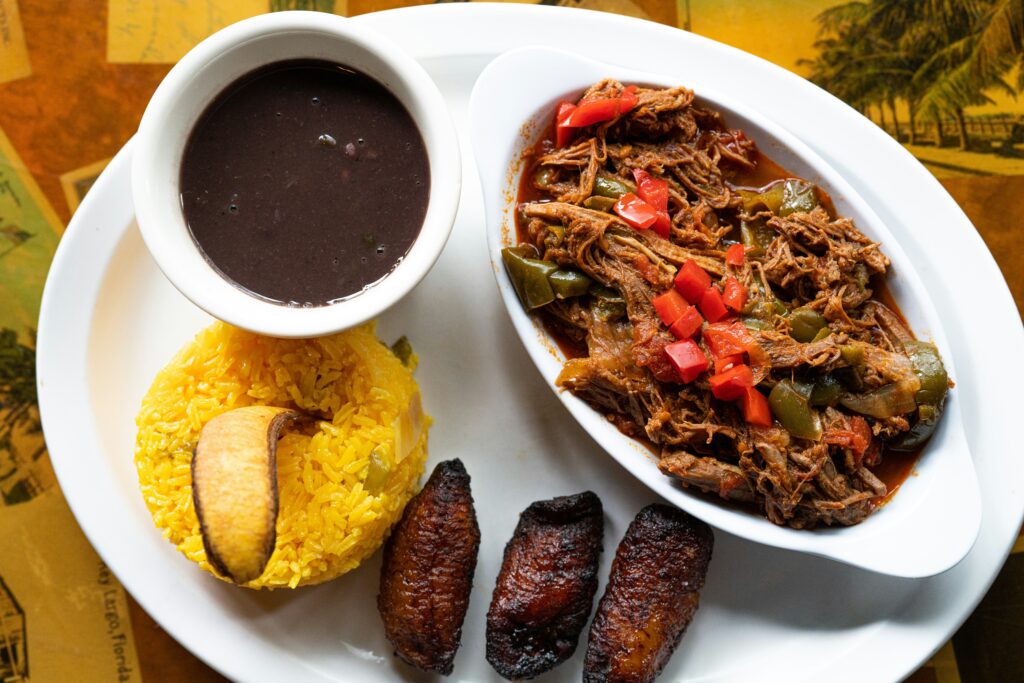
Must-Try Dishes
- Mofongo: Fried plantain mash mixed with garlic, olive oil, and broth—the national staple. Comes with your choice of protein (chicken, shrimp, beef) or vegetarian. Found everywhere from food carts to restaurants; expect $8–15 at casual spots.
- Lechón: Roasted suckling pig with crispy skin and tender meat. Best during local festivals or at specialized restaurants. $12–20 per plate. Seek out “frituras” (beach food stands) on weekends.
- Tostones: Fried plantain slices served as a side or snack. $2–4 at street vendors, $5–8 at restaurants.
- Alcapurrias: Fried fritters stuffed with ground beef or seafood. Street food staple; $2–4 each.
- Ropa Vieja: Shredded beef stew similar to Cuban versions. $10–15 per plate.
- Arepas: Corn dough cakes filled with cheese, meat, or fish. $4–6 each.
- Piña Colada: The national cocktail (invented at Barrachina restaurant in Old San Juan). $8–12 at bars; cheaper at rum shops.
Where to Eat on a Budget
- Street Vendors & Food Carts: $2–6 per item. Authentic, local, and cheap. Found throughout neighborhoods and beaches. Look for lines of locals—a sign of quality and value.
- Casual Eateries (Cafeterías): $6–12 per meal. Local spots where Puerto Ricans eat lunch. Order “comida criolla” (Creole food) for authentic, hearty plates.
- Fish Fry (Fritura): Beachside food stands with fried fish, seafood, plantains, and salads. $10–15 per meal. Friday and Saturday nights are social events; go for the atmosphere as much as the food.
- Guided Food Tour (Old San Juan): $40–60 per person for 2–3 hours. You’ll taste multiple dishes, learn about food culture, and see where locals eat.
- Supermarkets: Pick up prepared foods at Pueblo or Centro Super for $6–10 per meal. Excellent for budget-conscious travelers seeking quick options.
Restaurant Costs by Tier
- Budget ($10–15 per meal): Casual cafeterías, food carts, street vendors
- Mid-Range ($20–35 per meal): Neighborhood restaurants, nice dinner spots
- Upscale ($40+ per meal): Fine dining, beachfront restaurants, resorts
Things to Do in Puerto Rico
Puerto Rico offers experiences ranging from natural wonders to cultural immersion. Here’s a curated breakdown organized by type and budget impact.
The Top Must-See Attractions
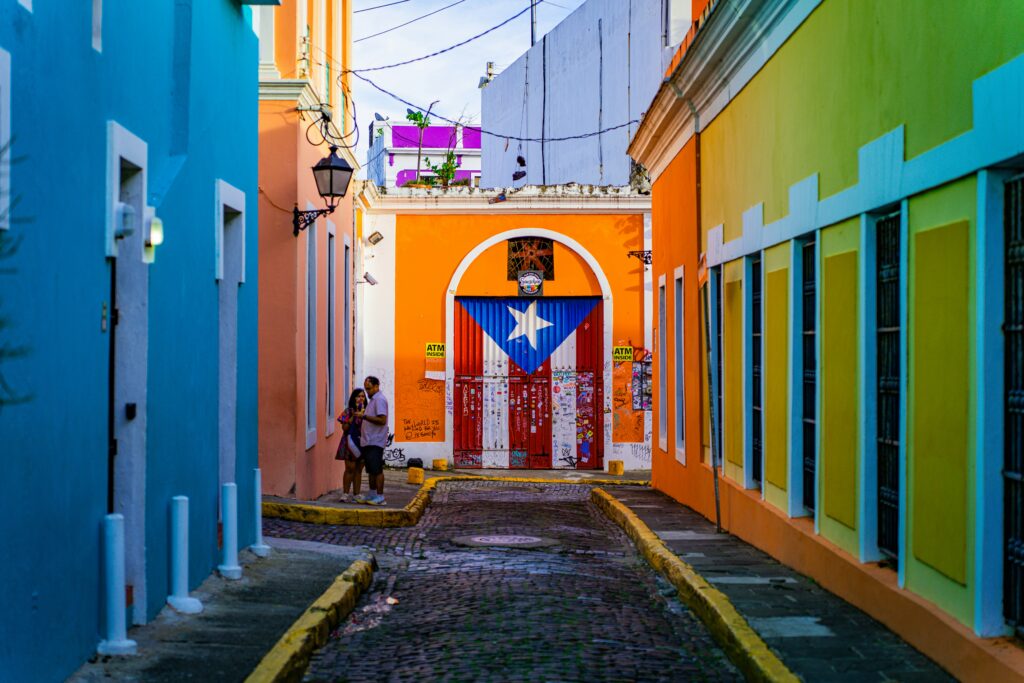
Explore Old San Juan
Old San Juan, the historic heart of Puerto Rico, feels like a living open-air museum, filled with colorful colonial buildings, cobblestone streets, local eateries, and major cultural landmarks where most exploring can be done for free. Strolling its pastel-colored streets provides endless photo backdrops, especially around plazas, city walls, and tucked-away alleys. Many visitors spend time browsing small art galleries and boutiques, sampling street food and local restaurants, and lingering over rum cocktails or rich Puerto Rican coffee at cafés overlooking the harbor.
A visit to El Morro fortress is a highlight, with a modest entry fee that grants access to historic ramparts, museum exhibits, and sweeping ocean views from the surrounding lawns. Allow at least 2–4 hours to get a feel for the area, though it is easy to fill an entire day if you add museum visits and long meal breaks. Walking around is free, with only small additional costs if you enter museums or forts and a bit more if you choose to sit down for a meal or drinks.
For the best experience, arrive in the early morning before cruise ship crowds descend, when the streets are quieter, temperatures are cooler, and the light is ideal for photography. This timing makes it easier to capture iconic shots of the streets and fortresses and to enjoy a more relaxed atmosphere at cafés and viewpoints.
Experience El Yunque National Rainforest
El Yunque is often described as Puerto Rico’s crown jewel, a lush tropical rainforest filled with waterfalls, well-marked hiking trails, and incredible biodiversity, and it is the only U.S. national forest located in the Caribbean. Visitors come for the cool mountain air, dense foliage, and the chance to swim in natural pools surrounded by jungle scenery.
Several popular trails cater to different fitness levels and interests, from shorter waterfall walks to demanding summit hikes. Easier routes typically lead to scenic cascades and pools that are very popular and can get crowded, while moderate trails offer a bit more challenge and slightly quieter spots, and difficult routes such as long summit hikes reward experienced hikers with sweeping views over the forest. Entry fees are modest, often charged per vehicle or per person at main access points, and you should also factor in a small parking fee if you are driving.
Conditions in El Yunque change frequently, so it is essential to check for trail closures and current advisories before leaving San Juan, especially after heavy rain or storms. Arriving early in the day not only helps secure parking but also avoids afternoon downpours, which are common in this rainforest climate. Pack water, sunscreen, and sturdy footwear, and be prepared for quickly shifting weather, cooler temperatures at elevation, and waterfall pools that can feel surprisingly cold.
From San Juan, many visitors plan on at least 2–4 hours to visit, including travel time, but those who love hiking or photography can easily spend most of the day exploring different viewpoints and trails. Overall costs remain relatively low if you drive yourself, covering entry, parking, and fuel, with optional expenses for food, gear, or souvenirs. For those who prefer extra support, guided tours are widely available at varying price points and can be especially reassuring for solo travelers or anyone uneasy about hiking on their own.
Bioluminescent Bays (Night Tours)
Puerto Rico is home to three bioluminescent bays where microscopic dinoflagellates emit a bright blue glow when the water is disturbed, creating a magical, otherworldly effect during night tours. The main options are Laguna Grande in Fajardo, La Parguera on the southwest coast, and Mosquito Bay on Vieques, each offering a slightly different atmosphere and level of development. Laguna Grande is the most accessible from San Juan at about 45 minutes away and tends to be the most touristy, making it a popular pick for groups and first-time visitors. La Parguera feels more rustic and relaxed with fewer crowds, while the bay on Vieques is widely regarded as the most pristine and intensely bright, though it requires a ferry or flight to the island. Most visitors experience these bays on guided night kayak tours, where each paddle stroke creates glowing ripples in the water, and group tour prices typically range from about 40–70 USD per person, with private tours costing significantly more. Advanced booking is essential, often at least two to four weeks ahead in peak season, and visiting on or near moonless nights offers the best visibility, so guides usually ask guests to minimize light use to protect the bioluminescence.
How to Visit Vieques or Culebra in Puerto Rico
For a different kind of island adventure, many travelers take day trips to Vieques and Culebra, two smaller islands off Puerto Rico’s east coast known for quiet beaches and a slower pace. Public ferries from the mainland (now departing from Ceiba, near Fajardo) provide a budget-friendly way to reach these islands, with one-way fares typically only a few dollars and crossings that take under an hour depending on conditions. Vieques stands out for its famous bioluminescent bay, the laid-back seaside town of Esperanza, roaming wild horses, and numerous uncrowded beaches. Culebra is renowned for Flamenco Beach—often ranked among the best in the Caribbean—for excellent snorkeling and for having fewer crowds than many mainland beaches. Aside from ferry tickets, costs on a simple day trip can stay low since beach access is free, with optional expenses for things like snorkel rentals, shared taxis, or small entrance or parking fees. Because amenities on both islands can be limited, especially away from main towns, packing snacks, plenty of water, sun protection, and any essentials you might need for the day is strongly recommended.
Explore Rincón’s Surfing & Sunset Scene
Rincón is a laid-back coastal town on Puerto Rico’s west coast, known for its surf culture, relaxed atmosphere, and bohemian feel, and it sits roughly 1.5–2 hours’ drive from the San Juan area, depending on traffic and route. Surfers head to beaches like Domes, María’s, and nearby breaks, while casual visitors enjoy oceanfront bars, cafés, and low-key streets lined with small guesthouses and eateries.
Popular local beaches cater to different skill levels, with stronger breaks appealing to experienced surfers and calmer zones better for beginners or those who just want to watch from shore. Sunsets are a major event here, and many travelers simply pick a beachfront restaurant or bar, order a meal or drink, and watch the sky change color over the water.
Exploring the town, visiting the lighthouse and surrounding viewpoints, and dipping into local restaurants and bars are all flexible, low-structure activities that keep the area feeling unhurried and welcoming. To keep costs reasonable and tap into the town’s character, many visitors choose simple guesthouses or small inns rather than big resorts, which often offer better value and a more authentic vibe.
Typical Costs of a One-Week Trip
Let’s break down realistic daily costs across budget tiers. These estimates assume off-season or shoulder-season travel.
Budget Traveler: $60–80/Day
- Accommodation: $40–55/night
- Food: $15–25/day
- Activities: $0–10/day
- Transportation: $5–10/day
7-Day Total: $420–560
Sample Daily Breakdown:
- Hostel bed: $45
- Breakfast (street vendor): $3
- Lunch (cafetería): $7
- Snacks: $2
- Dinner (casual spot): $10
- Activity/attractions: $5
- Transportation: $8
- Daily Total: $80
Mid-Range Traveler: $150–250/Day
- Accommodation: $100–150/night
- Food: $40–70/day
- Activities: $20–40/day
- Transportation: $10–20/day
7-Day Total: $1,050–1,750
Sample Daily Breakdown:
- Hotel/Airbnb: $120
- Breakfast (café): $8
- Lunch (casual restaurant): $15
- Snacks/coffee: $5
- Dinner (nice neighborhood spot): $30
- Activity/tour: $30
- Transportation: $15
- Daily Total: $223
Cheap Ways to Explore and Save Money
Strategic choices slash your Puerto Rico budget by 30–50% without sacrificing experiences.
Accommodation Savings
- Book Off-Season or Shoulder Season: Off-season (June–August, late Oct–Nov) offers 40–60% cheaper rates; shoulder season (May, September) saves 20–30%.
- Stay Outside Tourist Centers: Puerta de Tierra costs 30–40% less than Old San Juan; Luquillo is cheaper than Condado; regional bases save significantly.
- Use Vacation Rentals with Kitchens: Save $15–25/day on food costs over a week-long stay.
- Book Directly: Contact guesthouses via email; they often offer 10–15% discounts to avoid booking site fees.
- Negotiate Multi-Night Stays: Many places discount 5+ night bookings by 15–20%.
Food Savings
- Eat Street Food: $2–4 per meal vs. $15–20 at restaurants. Quality often rivals fine dining.
- Use Supermarket Prepared Foods: Pueblo and Centro Super sell ready-made meals for $6–10.
- Pack a Picnic: Grab bread, cheese, fruit, and drinks; lunch on the beach. Save $10–15 per meal.
- Eat Lunch as Your Main Meal: Almuerzo specials cost 30% less than dinner.
- Skip Touristy Neighborhoods for Meals: Avoid Old San Juan tourist zones near cruise docks.
- Cook Simple Dinners: Hostel kitchens or Airbnb kitchens let you prep affordable meals for $5–8 vs. $20 eaten out.
Activity Savings
- Take Advantage of Free Attractions:
- Walk Old San Juan (free)
- Public beaches (free; parking $2–5)
- Trolleys in Old San Juan (free)
- Local festivals (free)
- Book Group Tours: Group bioluminescent bay tours ($40–60) vs. private ($150–300).
- Use Discount Codes: Many operators offer 10–15% discounts for online bookings.
- Skip Organized Tours: Old San Juan, Rincón, and Luquillo are self-discoverable; save $20–40 vs. guided tours.
Transportation Savings
- Skip the Rental Car: $40–60/day vs. Uber/taxi ($5–10 per trip) for San Juan-only stays.
- Use Uber/Lyft Pool Options: 20–30% cheaper than standard pricing.
- Book Taxis in Advance: Negotiate fixed rates for airport runs (often 10–20% cheaper).
- Use Minibuses (Guaguas): $0.75–2 vs. $10–15 Uber.
Frequently Asked Questions About Traveling to Puerto Rico
No. As a U.S. territory, Puerto Rico requires only a valid U.S. driver’s license or state ID for entry. No passport is necessary. You’ll pass through security like a domestic flight.
Shoulder season (May, September, early December) offers the best balance of lower prices (20–40% savings vs. peak) and decent weather. September–October are cheapest but carry hurricane risk; travel insurance ($15–30/week) is cheap peace-of-mind. Avoid December–April unless you want guaranteed perfect weather and don’t mind paying 40–50% premiums and facing crowds.
Budget travelers spend $60–80/day (hostels, casual food, free activities). Mid-range travelers budget $150–250/day (decent hotels, restaurant meals, paid tours). Luxury travelers expect $300+/day (upscale resorts, fine dining, private guides). These estimates assume accommodation, food, activities, and transportation combined.
Depends. For 3-day San Juan–only trips, Uber and taxis suffice. For 5+ days exploring multiple regions, a rental car ($25–60/day) becomes cost-effective—especially split among 3+ people. If you’re uncomfortable driving in unfamiliar conditions or want to enjoy drinks without driving concerns, skip the rental.
Eat street food and local cafeterías ($2–8 meals vs. $15–30 restaurants). Stay in guesthouses or Airbnbs with kitchens outside tourist zones. Visit during shoulder season for 25–40% savings. Skip organized tours for self-exploration in Old San Juan and beaches. Use Uber instead of taxis. Book attractions in advance for better rates. Travel with others to split costs.
Eat local street food (the real Puerto Rican experience). Attend free or cheap local festivals. Explore neighborhoods on foot. Talk to locals; ask for recommendations. Take a $40–60 guided food tour in Old San Juan. Visit free museums during discount hours. Attend beach fish fries on weekends. Stay in guesthouses with local owners who share insider knowledge.
Old San Juan’s colorful streets and history, El Yunque National Rainforest’s waterfalls and trails, bioluminescent bay night kayaking, beaches (Flamenco, Luquillo, Rincón), Pigeon Island ruins, and island hopping to Vieques or Culebra. For budget travelers, prioritize free attractions (beaches, walking tours) and one paid experience (El Yunque or bioluminescent bay tour).
No. Puerto Rico is one of the more budget-friendly Caribbean destinations, especially for U.S. citizens (no passport hassle, U.S. currency). Accommodations, food, and activities are cheaper than nearby islands like Barbados or St. Lucia. Budget travelers manage on $60–80/day easily.
Hurricane season runs June–November, with September–October seeing highest activity. Direct hits on Puerto Rico are rare, but tropical storms bringing rain and rough seas happen. Travel insurance ($15–30/week) covers cancellations. Book refundable accommodations. Most travelers visit despite the season due to cheaper prices and fewer tourists.
Use reef-safe sunscreen at beaches to protect coral. Stay on marked trails in El Yunque (checking conditions beforehand). Follow biobay tour guidelines about boats and lights. Avoid swimming alone in unfamiliar waters. Support local businesses rather than chains. Respect local communities and cultural sites. Choose eco-friendly tour operators. Dispose of trash properly. Consider offsetting your flight’s carbon footprint.
Conclusion
Puerto Rico offers an extraordinary Caribbean experience without requiring a passport or draining your wallet. From the colorful streets of Old San Juan to the glowing waters of bioluminescent bays, from the rainforest waterfalls of El Yunque to the laid-back sunset vibes of Rincón, this island provides something for every traveler and budget.
The key to a successful, affordable Puerto Rico travel experience is planning strategically. Choose your timing (shoulder season saves money), select your base wisely (San Juan for culture, regional bases for exploration), build flexible itineraries based on your trip length, and embrace local food culture over tourist traps. Book must-do experiences 2–4 weeks ahead, use Uber instead of rental cars when staying in San Juan, and eat where locals eat—street food, fish fries, casual cafeterías—where $2–10 meals rival fine dining in quality.
Whether you’re spending $60/day or $300/day, this complete Puerto Rico travel guide has equipped you with knowledge to navigate neighborhoods, optimize costs, and find experiences worth your time. Your perfect Puerto Rico trip is defined by intentional choices: eating breakfast at a local café, taking a minibus instead of a taxi, arriving early to beat crowds at El Yunque, chatting with locals to find hidden neighborhoods, and respecting the island’s culture and ecosystems.
Ready to plan your adventure? Start by picking travel dates (aim for shoulder season), securing flights 4–6 weeks in advance, booking one regional base for your entire stay, and making 2–3 reservations for must-do experiences. ¡Bienvenidos a Puerto Rico!

Facts About Puerto Rico
- Capital: San Juan
- Official Language(s): Spanish & English
- Population: 3,286,874 (based on 2020 Census)
- Currency: United States Dollar (USD)
- Time Zone: Atlantic Standard Time (GMT-4)
- Electricity Plug Type: Type A and B
- Drive on the: Right