
Exploring Puerto Rico
Puerto Rico sits in the northeastern Caribbean Sea, with its northern coast on the Atlantic and smaller surrounding islands like Vieques, Culebra, and Mona adding even more beaches and hidden coves to explore. The main island is roughly rectangular—about 111 miles east to west and 39 miles north to south—so travelers can cross between coastal hotspots and mountain towns in just a few hours.
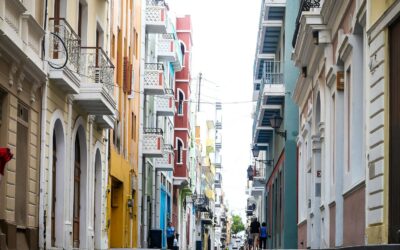
San Juan, the capital on the northeast coast, is famous for its walled Old San Juan district with cobblestone streets, colorful colonial facades, and massive Spanish fortresses such as Castillo San Felipe del Morro and Castillo San Cristóbal. Beyond the historic core, the metropolitan area offers modern hotels, nightlife in Condado and Isla Verde, and a large convention center district that has helped turn the island into a major meetings and events destination.
Outside the capital, Puerto Rico’s interior is dominated by a central mountain range and lush protected areas such as El Yunque National Forest, the only tropical rainforest in the U.S. national forest system. On the coasts, you can find world-class surfing in towns like Rincón, bioluminescent bays in Vieques and Fajardo, and calmer southern and western beaches near cities like Ponce and Cabo Rojo.
Culturally, Puerto Rico combines Spanish colonial heritage, Indigenous Taíno roots, African influences, and U.S. ties in its food, music, and festivals. Travelers encounter this mix in dishes like mofongo and lechón, in salsa and reggaetón music, and in vibrant celebrations such as the San Sebastián Street Festival in Old San Juan each January.
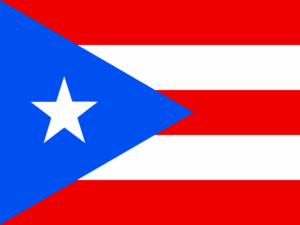
Facts About Puerto Rico
- Capital: San Juan
- Official Language(s): Spanish and English
- Population: 3,286,874 (based on 2020 Census)
- Currency: United States Dollar (USD)
- Time Zone: Atlantic Standard Time (GMT-4)
- Electricity Plug Type: Type A and B
- Drive on the: Right
Best Time to Visit Puerto Rico
Puerto Rico has a tropical marine climate with warm temperatures year-round, generally ranging in the 70s and 80s Fahrenheit, which means there is not a bad time to visit from a weather perspective. The drier, slightly cooler season from roughly December through April is the peak period for tourism, when conditions are most comfortable for beach days and exploring Old San Juan.
The wetter season runs from late spring through fall, overlapping with the Atlantic hurricane season, and can bring higher humidity, more rain, and an increased risk of storms, though many days are still sunny. During these months, prices often drop, crowds thin out, and travelers who are flexible and comfortable monitoring forecasts can find good value while still enjoying the island’s beaches and rainforests.
What to Expect When Visiting Puerto Rico
Visitors can expect a mix of Caribbean island life and U.S.-style infrastructure, with familiar chains alongside local businesses, good road networks, and widespread mobile coverage in urban areas. Spanish is the dominant everyday language, but English is common in tourism zones, and many residents are bilingual, especially in San Juan and resort areas. Culturally, the island is relaxed and social, with late dining hours, lively plazas, and a strong emphasis on family and hospitality that many travelers find welcoming.
How to Get to Puerto Rico
Puerto Rico’s main gateway is Luis Muñoz Marín International Airport (SJU) just outside San Juan, which handles the vast majority of international and mainland U.S. flights to the island. There are also regional airports in cities like Aguadilla and Ponce that serve some domestic and Caribbean routes, while cruise ships regularly call at the Port of San Juan, making the island a popular stop on Caribbean itineraries.
Where to Stay in Puerto Rico
Most first-time visitors stay in or near San Juan, choosing between historic boutique hotels in Old San Juan, beachfront resorts in Condado and Isla Verde, and larger chain properties near the convention center. Beyond the capital, there are resort areas and guesthouses along the coasts in places like Rincón for surfing, Fajardo and the east coast for easy access to Vieques and Culebra, and Ponce for exploring the island’s southern cultural attractions.
How to Get Around in Puerto Rico
On the main island, renting a car is often the most practical way to explore beyond the San Juan metro, as it gives flexibility to visit beaches, mountain towns, and attractions spread across different regions. Within San Juan, travelers can combine walking in compact historic areas with taxis, rideshares, limited public buses, and in some zones hotel shuttles, while ferries connect the main island to Vieques and Culebra.
Languages of Puerto Rico
Puerto Rico has two official languages, Spanish and English, with Spanish used in most daily interactions, local media, and government services. English proficiency is higher in tourism, business, and government sectors, especially in San Juan and resort regions, so travelers who speak only English can usually get by, though learning a few Spanish phrases is appreciated.
Currency Used in Puerto Rico
The currency in Puerto Rico is the United States dollar, commonly called the “dólar” locally, and prices are typically listed in the same way as in the mainland U.S. ATMs are widely available in cities and tourist areas, major credit cards are broadly accepted, and tipping customs in restaurants and for services are similar to those in the continental United States.
Things to Do in Puerto Rico
Top activities include exploring Old San Juan’s historic forts and streets, hiking to waterfalls and viewpoints in El Yunque, and relaxing on beaches like Flamenco on Culebra and Playa Crash Boat near Aguadilla. Many visitors also book nighttime kayak or boat tours to see the bioluminescent bays, sample local rum at distilleries, and experience Puerto Rican food and music in lively neighborhoods and town plazas around the island.
Recent Travel Guides for Puerto Rico
The Ultimate Puerto Rico Travel Guide
Introduction Planning a Caribbean escape often means choosing between dream destinations and realistic budgets. Puerto Rico breaks that false choice. As a U.S. territory, Puerto Rico travel requires no passport for American citizens, uses the U.S....